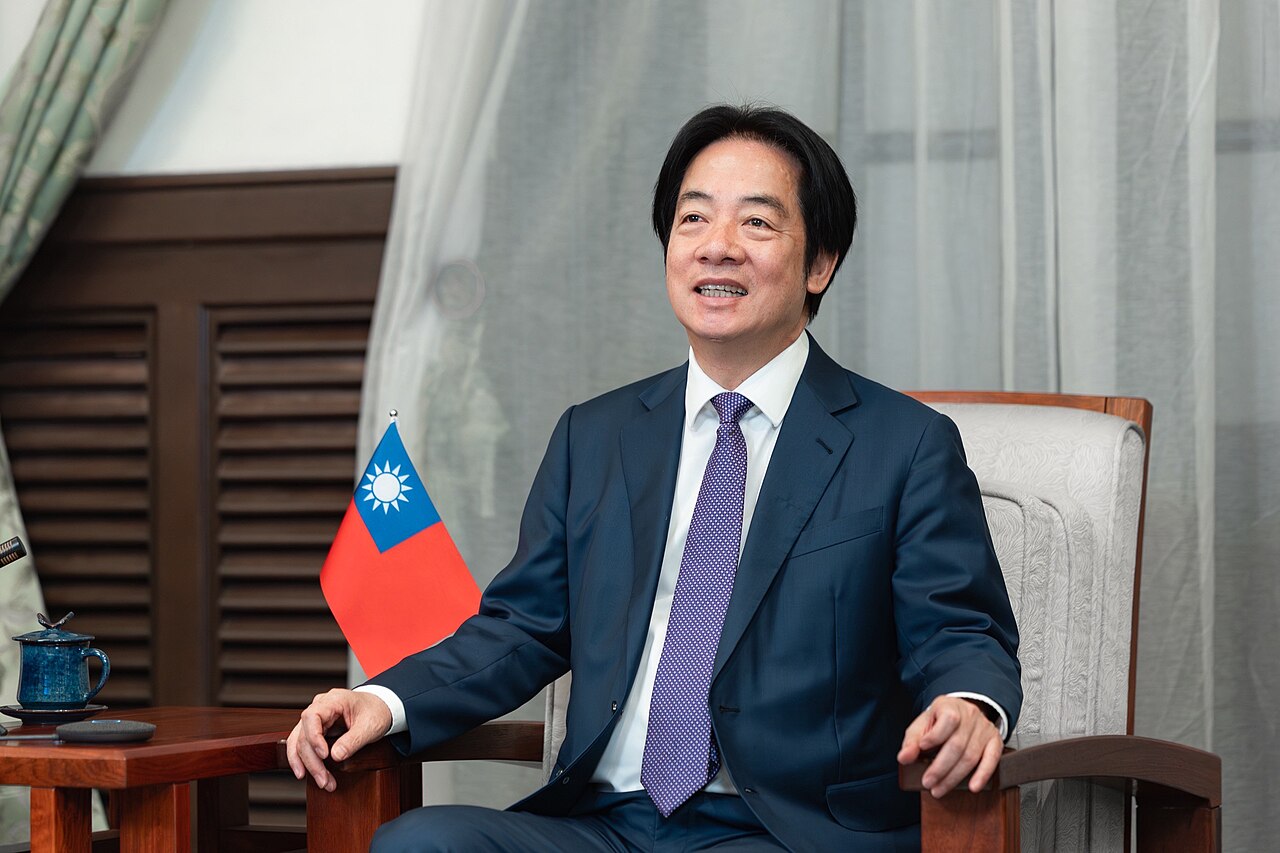
Taiwan has called on China to confront the legacy of the 1989 Tiananmen Square crackdown as the world marked the 37th anniversary of the deadly pro-democracy protests in Beijing. The appeal came from Taiwan President Lai Ching-te, who urged Chinese authorities to recognize the historical truth surrounding the June 4 incident and take steps toward reconciliation.
In a Facebook post, Lai said he hoped China would acknowledge the events that unfolded in Tiananmen Square 37 years ago, address the suffering caused, and create opportunities for dialogue and healing. His remarks coincided with global commemorations of the anniversary, a topic that remains highly sensitive and heavily censored in mainland China.
The Tiananmen Square crackdown occurred on June 4, 1989, when Chinese troops moved into central Beijing to suppress weeks of student-led pro-democracy demonstrations. While China has never released an official death toll, human rights organizations and witnesses estimate that hundreds, and possibly thousands, of people were killed.
Lai also warned against the dangers of militarism and authoritarian governance, stating that governments should focus on improving the lives of future generations rather than relying on surveillance, intimidation, or force to silence differing opinions. His comments reflect Taiwan’s continued emphasis on democratic values and human rights.
China regards Taiwan as part of its territory and has repeatedly criticized Lai, labeling him a separatist. Beijing has also rejected several offers of dialogue from the Taiwanese leader, who maintains that Taiwan’s future should be determined solely by its people.
The anniversary was also recognized internationally. U.S. Secretary of State Marco Rubio issued a statement honoring those who participated in the Tiananmen protests, saying that efforts to suppress historical memory cannot erase the significance of their sacrifice for freedom of expression and peaceful assembly.
Meanwhile, public commemorations continue to face restrictions in Hong Kong. Annual candlelight vigils that once attracted tens of thousands have largely disappeared since the implementation of the national security law in 2020. Despite these limitations, memorial events are still being held in cities across Europe, Australia, and other parts of the world, keeping the memory of Tiananmen Square alive decades after the tragedy.