Intel (NASDAQ: INTC) is experiencing a rise in demand for its older-generation PC and server chips as the U.S.-China trade war intensifies, executives revealed after the company’s latest earnings release. Economic uncertainty, looming tariffs from both Washington and Beijing, and a potential recession are prompting customers to stockpile cheaper chips, rather than invest in newer models.
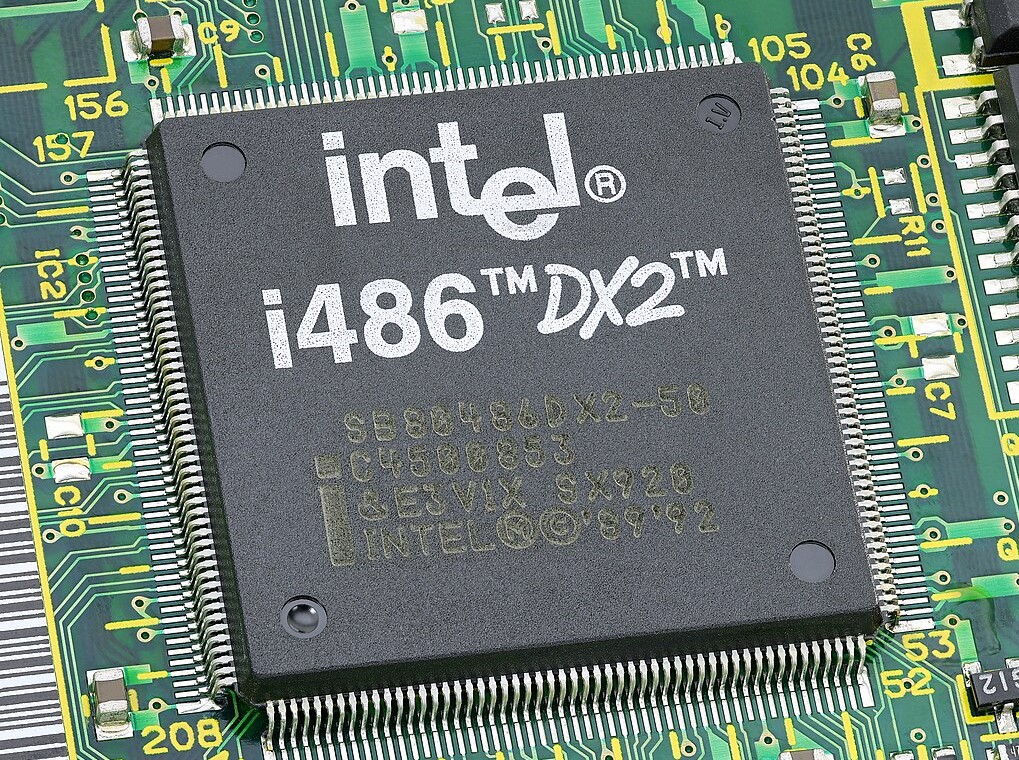
Michelle Johnston Holthaus, head of Intel’s product division, noted strong interest in legacy chips for both client and data center segments. “Macroeconomic concerns and tariffs have everybody hedging their bets,” she said.
Intel exceeded Wall Street expectations for Q1 revenue, largely due to customers preparing for possible tariff hikes. However, the company issued a cautious outlook for the second quarter. While U.S. tariffs have yet to target chips directly, China's retaliatory measures—potentially up to 85% levies on U.S.-made semiconductors—pose a serious threat, according to the China Semiconductor Industry Association.
Intel CFO David Zinsner warned that shifting global trade policies are elevating recession risks and inflating operational costs. He added, “We will certainly see costs increase.”
The trade conflict comes as Intel attempts to revive its business with AI-powered chips and new Microsoft (NASDAQ: MSFT) Windows products. However, analysts warn that the trend toward "good enough" legacy chips could undermine the adoption of next-gen processors.
"Demand for older-generation chips is a flashing macro signal,” said Michael Ashley Schulman of Running Point Capital. Bob O’Donnell from Technalysis Research added that while older chips offer short-term savings, they may slow AI innovation and hurt Intel’s long-term strategy.
As geopolitical tensions rise, Intel’s growth may hinge not just on technology, but also on navigating global trade headwinds.