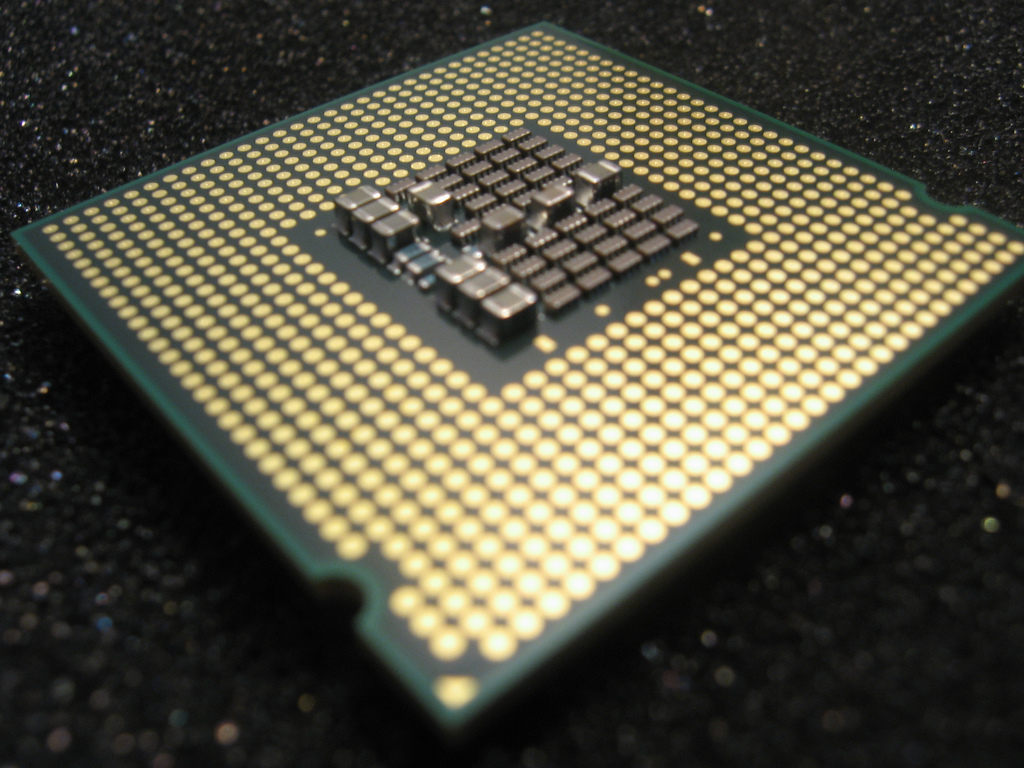
The global CPU giant Intel recently unveiled its latest generation of computer processors called Kaby Lake to much fanfare. The company likes to tout these chips as the most powerful they have created yet, which should be the case considering the significant price tag. However, recent benchmark tests by reputable reviewers and publications paint a different story.
Processor speed and power are incredibly important to PC users for two general reasons. One is to help with demanding work such as video editing, programming, or even video game development. The other is for those who want the best gaming experience. For either case, the Intel Core i7-7700K doesn’t really offer much of an edge compared to its predecessors, CNET reports.
Regardless if the user is a gamer or a professional, benchmark tests support the notion that it would be far better to rely on 6th generation processors. Not only do they perform roughly the same even when overclocking, the older units are much cheaper.
Publications like Tom’s Hardware performed these tests and compared them with older chips, which includes several of the variants among each generation. Based on the results, the i7-7700K only performed marginally better than the i7-6700K. This translates to mere seconds or fractions of a second in speed when using apps like Adobe Photoshop.
In the case of PC gamers, it’s already quite obvious that processor speeds aren’t the deciding factor in terms of choices. Even chips six generations ago can provide practically the same performance in gaming as the newer ones, at least if they are comparable in clocking speeds.
This is further proof of a trend that seems to have become the norm among CPU makers as they pertain to gaming. When Ars Technica reviewed the Kaby Lake chips, for example, the publication remarked how processors seemed to have stagnated.