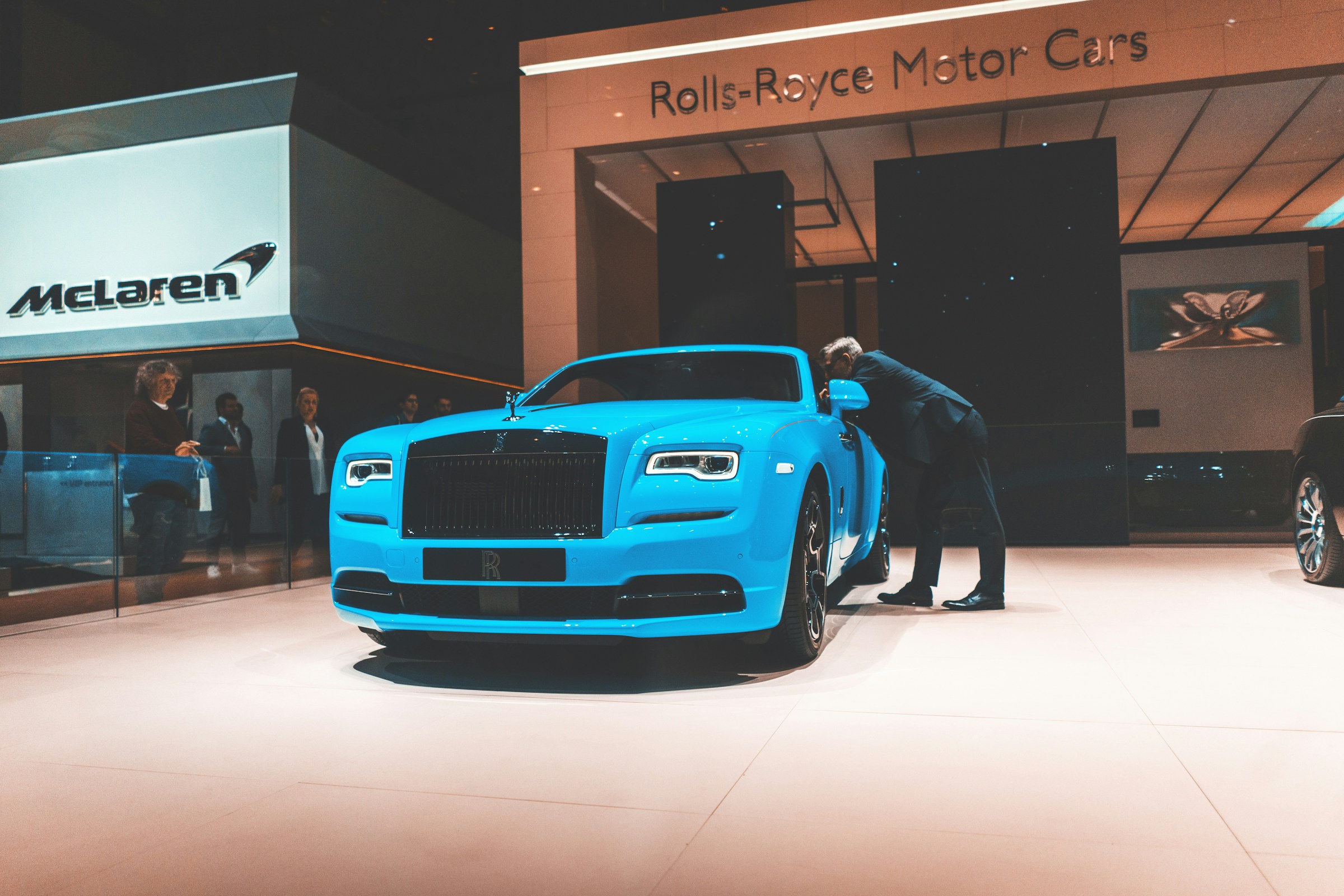
In an unprecedented shift within the luxury car market in South Korea, sales of high-end brands like Bentley, Porsche, and Rolls-Royce have plummeted following the government's introduction of a new taxation rule. The rule, which mandates the use of green license plates for company-owned vehicles valued over 80 million won ($57,800), came into effect at the beginning of 2024.
Korea Times reported that this regulation aims to prevent business owners from buying supercars under their companies to avoid taxes.
Dramatic Declines in Sales
Data provided by the Korea Automobile Importers & Distributors Association (KAIDA) reveals a significant drop in the importation and registration of luxury cars. In March alone, 3,868 luxury imported vehicles were newly registered in South Korea, marking a 31.4% decrease from the year prior. Notably, Bentley experienced a dramatic 77.4% decrease in registered vehicles for the first quarter compared to the previous year.
Similarly, Rolls-Royce and Porsche, which recently launched an improved hybrid Panamera in Korea, as per Korea Joongang Daily, reported declines of 35.2% and 22.9%, respectively.
Industry Reactions and Impact
Officials from luxury car manufacturers suggest that the decline in demand is primarily due to the negative perceptions associated with the lime green plates often linked to rental and lease vehicles. The sentiment poses particular disadvantages for business owners purchasing luxury cars as fleet vehicles.
More broadly, the proportion of company-owned luxury cars has decreased, with imported company cars falling below 30% of total registrations for the first time. This decline is significant, considering nearly 40% of imported vehicles were registered company-owned last year.
Broader Economic Implications
Other industry representatives attribute the sharp fall in sales to the new regulation and the prevailing economic downturn. With the economy showing no immediate revival, demand for expensive vehicles naturally decreases. The combination of an economic slump and strict new regulations poses significant challenges for supercar manufacturers, hampering their efforts to sustain sales performance in the South Korean market.
Photo: Marvin Meyer/Unsplash