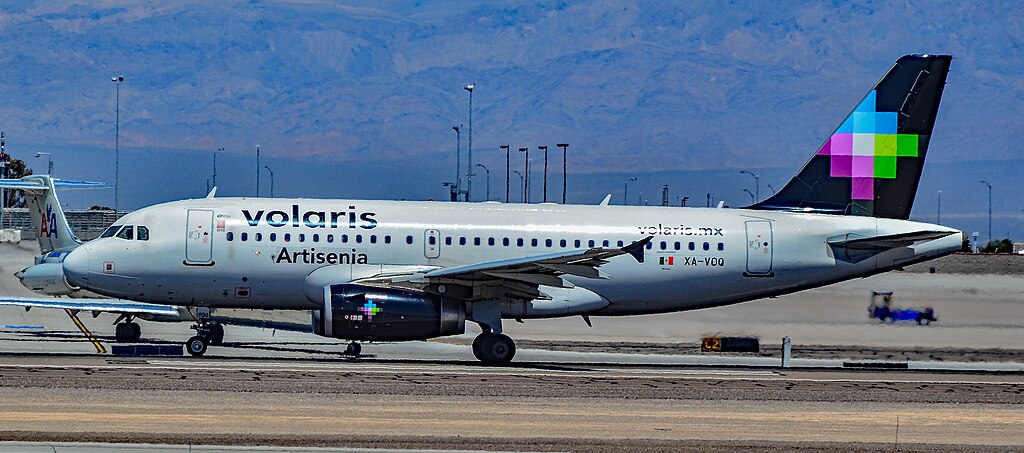
Mexico’s aviation industry is set for a major transformation after Volaris and Viva, the country’s two busiest low-cost airlines, announced an agreement to merge. The deal will create a new airline group that is expected to become the largest domestic carrier in Mexico, strengthening competition in the low-cost air travel segment while reshaping the competitive landscape dominated by Aeromexico.
Under the proposed transaction, the airlines will merge at the holding-company level while continuing to operate under their existing brands. This structure allows Volaris and Viva to preserve independent commercial strategies, routes, and brand identities, while benefiting from shared ownership, scale, and operational efficiencies. The companies confirmed that the merger aligns with an earlier Reuters report that indicated negotiations were nearing completion.
Both carriers operate all-Airbus fleets and serve similar domestic routes across Mexico, which executives say creates strong potential for cost reductions, network expansion, and improved connectivity. Volaris CEO Enrique Beltranena said the formation of the new airline group is expected to unlock significant growth opportunities for air travel in Mexico, helping stimulate demand and support broader economic growth.
The deal is structured as a merger of equals. Viva shareholders will receive newly issued shares in Volaris’ holding company, while existing Volaris shareholders will retain their stakes, resulting in a 50-50 ownership split. Shares will remain listed in both Mexico and New York. The new group’s board will include representatives from both airlines and will be chaired by Roberto Alcantara, head of Viva’s parent company IAMSA.
Regulatory approval remains a key hurdle, with antitrust authorities expected to closely scrutinize the deal. Opposition is also likely from Aeromexico, which currently controls roughly one-third of Mexico’s domestic market and leads international travel. The companies aim to close the transaction in 2026, positioning the merged group to better compete in a market facing regulatory challenges and increasing pressure from U.S. airlines, which hold more than half of Mexico’s international passenger market.