The Iranian foreign ministry has summoned the Iraqi ambassador to the country to formally protest against the presence of alleged “terrorist groups” on Iraqi soil over the weekend. Tehran argued that the presence of the alleged terrorist groups in Iraq breaches the security agreement made by the neighboring countries.
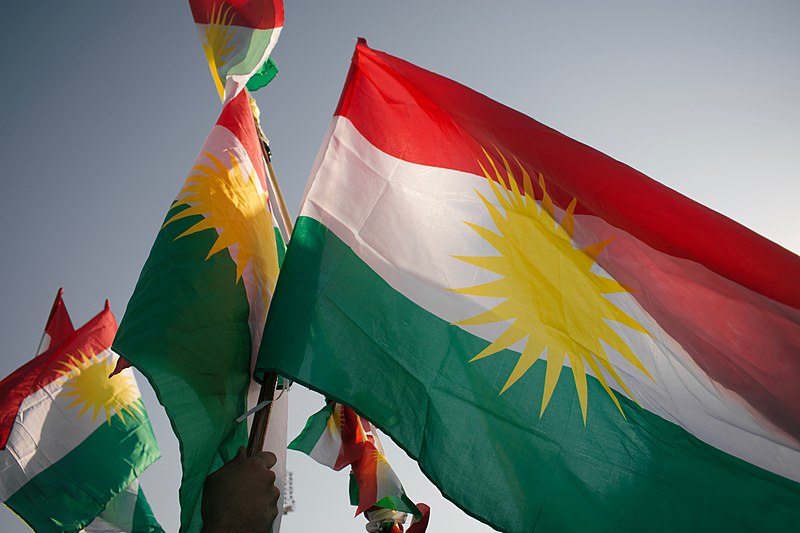
On Saturday, the Iraqi ambassador was summoned to the Iranian foreign ministry as Tehran formally protests against the continued presence of alleged “terrorist groups” following “an invitation to members of secessionist groups for an official event” in Iraqi’s Kurdish region, according to state media. While the ministry did not directly name which groups, it was a reference to the Kurdish armed groups and the Democratic Party of Iranian Kurdistan, which is known to push for the separation of the northwestern province of Kurdistan from Iran and the overthrow of the Iranian government.
The ministry apparently argued that the presence of such groups is a violation of the security agreement between the two neighboring countries that was signed last month in Iraq’s capital Baghdad. Iranian security chief Ali Shamkhani said at the time that Tehran is hoping that the agreement “can completely and fundamentally end the vicious actions” of Kurdish groups and prevent the Iraqi borders from being used to threaten Iran.
The semi-autonomous Kurdish region in Iraq is known to host camps and bases operated by several Iranian Kurdish units. Tehran has previously accused the groups of serving the West or Israel’s interests and conducting operations with their support.
Kurdish groups were placed front and center following the widespread protests in Iran that have been taking place since September of last year. The protests were triggered by the death of a Kurdish woman in the custody of Iran’s morality police for allegedly flouting the Islamic dress code.
Tehran has blamed the West and Israel for the widespread protests.
Friday last week, officials from the United States said the US military was working to boost its posture in the Gulf region after Iran seized and harassed shipping and commercial vessels in recent months. Officials cited that Iran has been harassing, attacking, and interfering with the navigational rights of 15 internationally flagged commercial ships.
Photo by Levi Clancy/Wikimedia Commons(CC by 2.0)