The United States special representative for Yemen said that Iran has continued supplying weapons and drugs that have been driving the ongoing war in the country. The continued supply comes amidst an agreement between Tehran and Saudi Arabia to restore diplomatic ties.
The US envoy for Yemen, Tim Lenderking, said during an online briefing on Thursday that Iran has continued to supply the Tehran-aligned Houthis in Yemen with weapons and drugs that have been fueling the ongoing war. The continued supply comes despite reaching an agreement in March to restore formal diplomatic ties with Saudi Arabia. The agreement that was brokered by China, along with talks between Saudi Arabia and the Houthis and a ceasefire that was mostly upheld even after expiring back in October, have improved the possibility of an end to the conflict in the area.
However, according to Lenderking, in his latest visit to Yemen, Iran is still providing weapons and drugs that continue to fuel the war that began in 2014 and resulted in one of the worst humanitarian crises.
“The Iranians have continued to smuggle weaponry and narcotics toward this conflict and we are very concerned that this would continue despite the benefits that would come from a Saudi-Iran deal. So I think that is a space we have to watch,” said Lenderking.
“Despite the fact that we welcomed an agreement between the Saudis and the Iranians, I remain concerned about Iran’s role,” The envoy added, noting that Iran has trained Houthi fighters and armed them “to fight and attack Saudi Arabia.”
Iran has denied arming the Houthis, who seized control of Yemen’s capital Sanaa and control large parts of the country. The war has mostly been seen as a proxy conflict between Saudi Arabia and Iran, and US officials have accused Iran of violating UN resolutions in supplying drones and missiles to the Houthis to launch cross-border attacks on Saudi Arabia.
On Tuesday, the spokesperson for the United Nations human rights office said that Tehran has executed over 200 people this year, most of which were on drug-related offenses. Spokesperson Ravina Shamdasani said during a press briefing in Geneva that the record of executions by Iran this year was “abominable” and reiterated a call for an end to the executions.
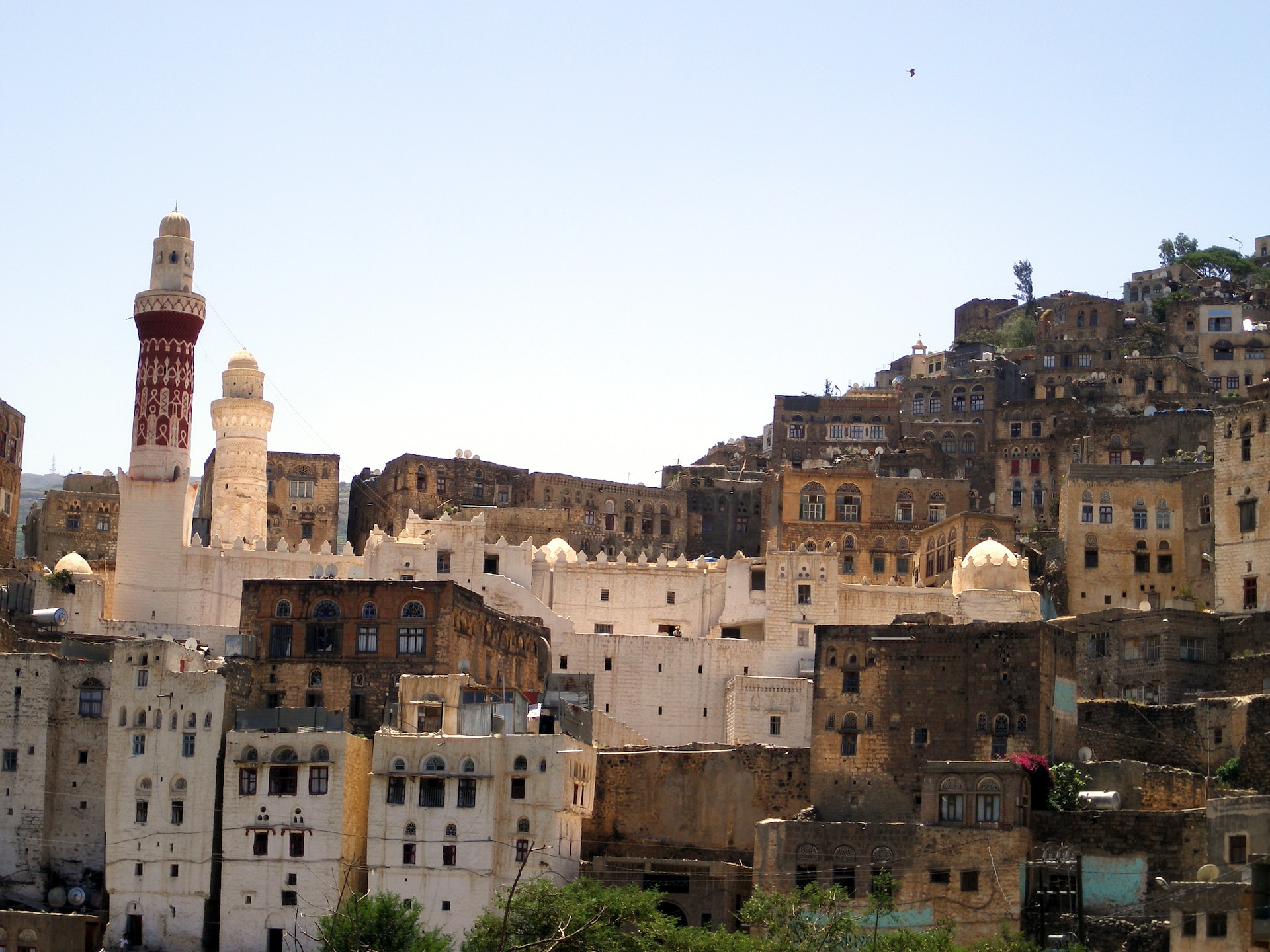
Photo by asamw/Unsplash