


 Australia Probes Flydubai Co-Pilot’s Links After FZ1073 Hijack Attempt
  Ukraine Faces $56 Billion Budget Gap as War Costs Soar
  Mexico Seeks US Evidence After Border Gunfire Claim
  New York Declares Measles Disaster Emergency as Cases Surge
  India-US Trade Deal Talks Hit Plateau, Sitharaman Says
  US Army Tests Counter-Drone Technology Along Mexico Border
  Paraguay Opposition Wins Key Mayor Races in Blow to Colorado Party
  UK Warned Over Growing Reliance on US Cloud Providers
  Nicaragua Withdraws From Central American Parliament
  Flavio Bolsonaro, Lula Head to Brazil Election Runoff
  Ukraine to Intensify Strikes on Russian Oil Refineries
  Bosnia Election Puts EU Bid and Foreign Influence in Focus
  Russian Bombs Kill Six, Injure Nearly 60 in Kharkiv
  Fairshake Backs 32 Pro-Crypto House Candidates
  Trump Plans Diesel Tax Relief as Fuel Prices Hit Record Highs
  Flavio Bolsonaro, Lula Head to Brazil Presidential Runoff
  Trump Offers US Help to Russia After Plague Lab Worker Dies


 Add as a preferred source on Google
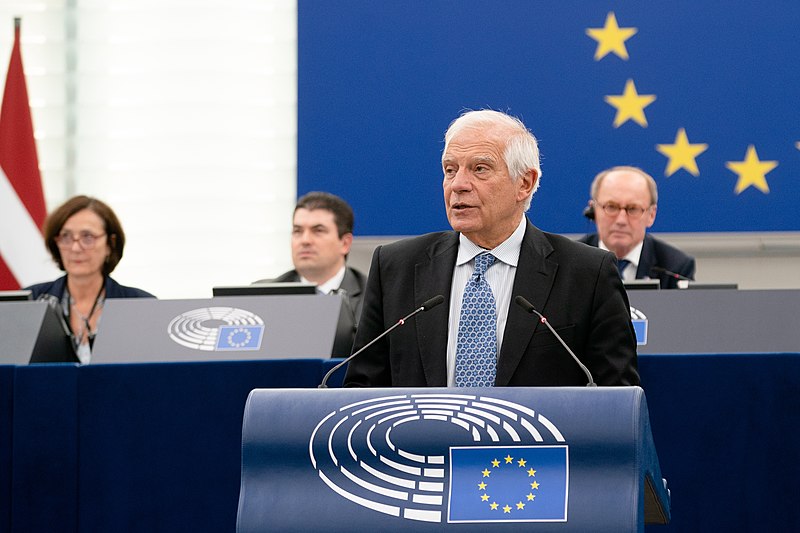
The European Union has imposed sanctions on an additional 30 individuals and entities in Iran. The new sanctions were in response to Tehran’s crackdown on the ongoing protests along with other human rights abuses.
On Monday, the bloc agreed to impose sanctions on over 30 Iranian officials and organizations over the crackdown on the protests and human rights abuses. Some of those targeted were units of Iran’s Islamic Revolutionary Guard Corps along with its senior officials. The United States has also announced new sanctions on Iran, further indicating the deteriorating ties between Tehran and the West.
The new sanctions were agreed upon by the foreign ministers of the 27 EU countries during a meeting in Brussels. The sanctions would bar those targeted – 18 people and 19 entities – from travelling to the EU and freeze any assets the individuals or entities may hold in the EU.
Despite calls by some EU governments and the European Parliament to designate the IRGC as a terrorist organization, the bloc’s foreign policy chief Josep Borrell said an EU court must determine whether the IRGC can be designated as such.
Relations between the EU and Iran have since deteriorated in light of the stalled talks to revive the 2015 nuclear deal, with Iran detaining several European nationals. The EU has also increasingly criticized Iran’s continued crackdown on the protesters in the country, including executions and the supply of Iranian drones to Russia.
Sweden, who is currently the EU president, said the latest sanctions targeted “those driving the repression.”
“The EU strongly condemns the brutal and disproportionate use of force by the Iranian authorities on peaceful protesters,” said Swedish foreign minister Tobias Billstrom in a post on Twitter by the EU diplomatic mission.
The United Kingdom has also joined in imposing new sanctions on Iranian officials, especially following Tehran’s execution of a British-Iranian dual national, Alireza Akbari. The sanctions, this time, targeted Iranian deputy prosecutor general Ahmad Fazelian, who the British Foreign Office said was responsible for the country’s unfair judicial system that imposed the death penalty for political purposes.
Aside from Fazelian, the UK has also sanctioned Iran ground forces commander Kiyumars Heidari, IRGC deputy commander Hossein Nejat, the Tehran-backed Basij paramilitary forces and the group’s deputy commander Salar Abnoush.







