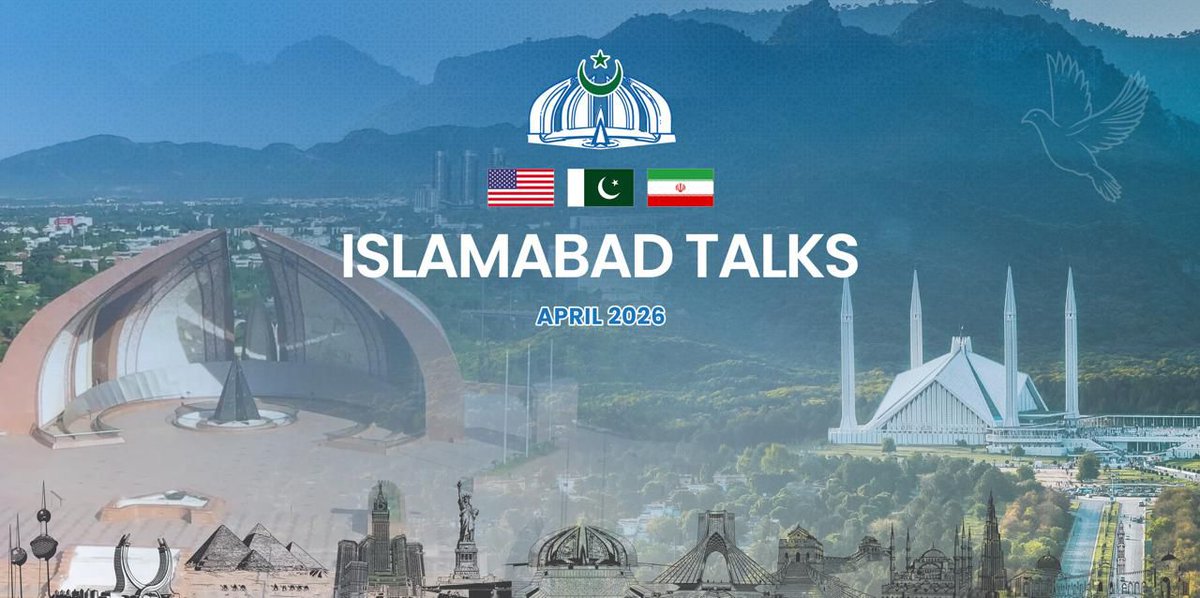
Iran may be willing to engage in diplomatic talks with the United States in Pakistan, but only if Washington abandons its current strategy of pressure and threats, according to a senior Iranian official speaking to Reuters. The official emphasized that Tehran is not interested in negotiations that resemble surrender, underscoring the country’s firm stance amid rising geopolitical tensions.
The statement comes as Pakistan continues to act as a mediator between the two nations, attempting to ease hostilities and encourage dialogue. According to the Iranian official, Islamabad is actively working to persuade the United States to reconsider its recent actions, including lifting a naval blockade and releasing the Iranian-flagged container ship Touska. The vessel was reportedly boarded and seized by U.S. forces on Sunday, along with its crew, further escalating tensions in the region.
Tehran views these developments as counterproductive to peace efforts. The official accused Washington of complicating the situation by “creating new obstacles every day instead of resolving the differences.” This sentiment reflects Iran’s growing frustration with what it perceives as aggressive U.S. foreign policy measures that hinder meaningful diplomatic progress.
The possibility of Iran-U.S. talks in Pakistan could represent a significant step toward de-escalation if both sides agree to more constructive engagement. However, Iran’s condition that the United States must first abandon its pressure tactics highlights the deep divide that still exists between the two countries.
As global attention focuses on Middle East tensions and U.S.-Iran relations, the outcome of Pakistan’s mediation efforts could play a crucial role in shaping future diplomacy. Whether Washington adjusts its approach remains uncertain, but Iran has made clear that respectful, balanced negotiations are the only path forward.