


 Ukraine to Intensify Strikes on Russian Oil Refineries
  Fairshake Backs 32 Pro-Crypto House Candidates
  OPEC+ Keeps November Oil Output Targets Steady
  Flavio Bolsonaro, Lula Head to Brazil Election Runoff
  Russian Bombs Kill Six, Injure Nearly 60 in Kharkiv
  Yemen Launches Major Offensive to Retake Houthi-Held Areas
  Russia Strikes Kyiv Bridge as Ukraine Infrastructure Attacks Escalate
  Bosnia Election Puts EU Bid and Foreign Influence in Focus
  Iran Keeps Strait of Hormuz Closed as War Talks Stall
  Ukraine Faces $56 Billion Budget Gap as War Costs Soar
  Merz Pledges €1 Billion in Ukraine Aid During Kyiv Visit
  US Army Tests Counter-Drone Technology Along Mexico Border
  Trump Offers US Help to Russia After Plague Lab Worker Dies
  California Woman Arrested Over Alleged Spying on Taiwan President’s Son
  Takaichi Pledges to Control Japan Bond Issuance
  US Caribbean Vessel Strike Kills Four
  Japan Protests to US After Marine Arrested in Okinawa Murder Case


 Add as a preferred source on Google
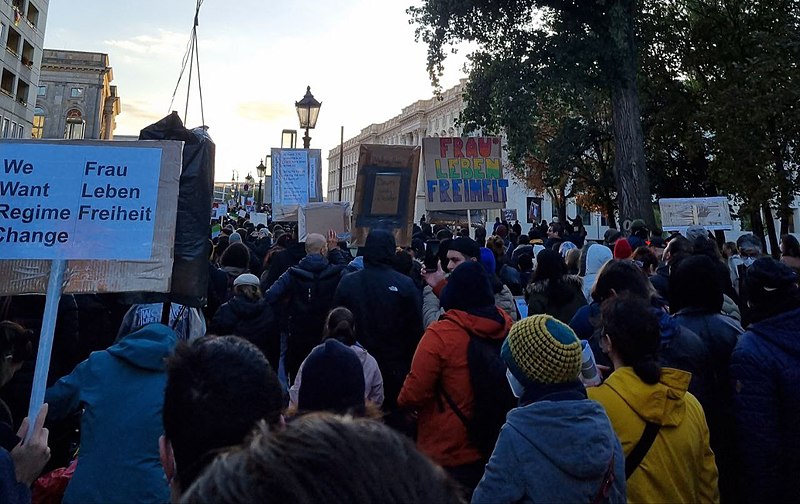
The British government has called on the authorities in Iran to stop the unfair detainment of dual nationals. This follows Tehran’s arrest of seven individuals linked to the United Kingdom over the ongoing protests.
Speaking to reporters on Wednesday, British Prime Minister Rishi Sunak’s spokesperson said the government is seeking more information on the seven individuals that were arrested over the ongoing anti-government demonstrations. Iranian state media published a statement that the Revolutionary Guards arrested seven people linked to the UK, preventing them from leaving the country. Some of the individuals arrested are British-Iranian dual nationals.
“We are urgently seeking further information from the Iranian authorities on the reports of those British-Iranian dual nationals,” said the spokesperson. “We’ve always said that we will never accept our nationals…being used for diplomatic leverage and we urge the government of Iran to stop its practice of unfairly detaining British and other foreign nationals.”
The UK’s main opposition Labour Party has called for sanctions to be imposed on organizations and individuals who are involved in the Islamic Republic’s crackdown on the protests that have been taking place across Iran since September.
“The killings and repression being carried out by the Iranian regime against courageous Iranian protesters seeking a better future is appalling,” said the party’s foreign affairs spokesperson David Lammy in a statement. “There must be an end to impunity.”
The protests erupted in September following the death of Kurdish-Iranian woman Mahsa Amini in the custody of the morality police. Amini died days after she was detained for allegedly violating the Islamic Republic’s dress code for women, sparking public outrage. Tehran has sought to blame its foreign adversaries, such as the United States and Israel, for the protests.
Also on Wednesday, Italian foreign minister Antonio Tajani said Iran must stop its executions of people arrested in connection to the protests, following a meeting with the country’s Iranian ambassador. Tajani said that executing people who participate in protests or women who refuse to wear their headscarves is not an acceptable form of punishment.
“Taking off a veil or participating in a protest is not a crime that can lead to the death penalty anywhere in the world,” said Tajani.







