Iran's delegation touched down in Islamabad, Pakistan, on Friday to begin high-stakes diplomatic negotiations with the United States, even as Tehran raised last-minute conditions that cast uncertainty over the proceedings. The talks follow a two-week ceasefire announced by President Donald Trump, which halted American and Israeli airstrikes on Iran after six weeks of intense conflict.
Despite the pause in airstrikes, Iran's blockade of the Strait of Hormuz remains in effect, continuing to disrupt global energy markets at an unprecedented scale. Parallel fighting between Israel and Iran-backed Hezbollah in Lebanon has also persisted, with Israeli strikes killing over 350 people shortly after the ceasefire announcement.
Iran's parliamentary Speaker Mohammad Baqer Qalibaf, who is co-leading the roughly 70-member Iranian delegation alongside Foreign Minister Abbas Araqchi, stated that negotiations would not formally begin until Washington fulfilled prior pledges — including unblocking Iranian financial assets and securing a ceasefire in Lebanon. Qalibaf acknowledged Iran's willingness to reach a deal but expressed deep skepticism toward U.S. intentions.
Trump, responding on social media, warned Iran that it held little leverage beyond its temporary control over international shipping lanes. U.S. Vice President JD Vance, heading the American delegation, expressed cautious optimism but warned against any attempts to manipulate the process.
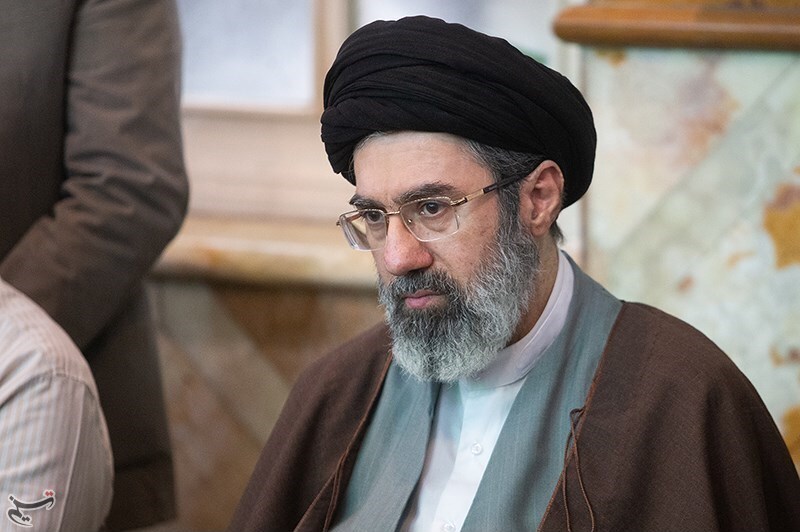
Iran's new Supreme Leader Ayatollah Mojtaba Khamenei struck a defiant tone ahead of the talks, vowing accountability for wartime destruction. Tehran is pushing for the full lifting of long-standing economic sanctions, recognition of authority over the Strait of Hormuz, and compensation for war damages — demands that represent a dramatic shift in regional geopolitical power.
The economic consequences of the conflict are already visible. U.S. consumer prices climbed 0.9% in March, the steepest monthly rise since 2022, driven in part by energy supply disruptions tied to the ongoing crisis.