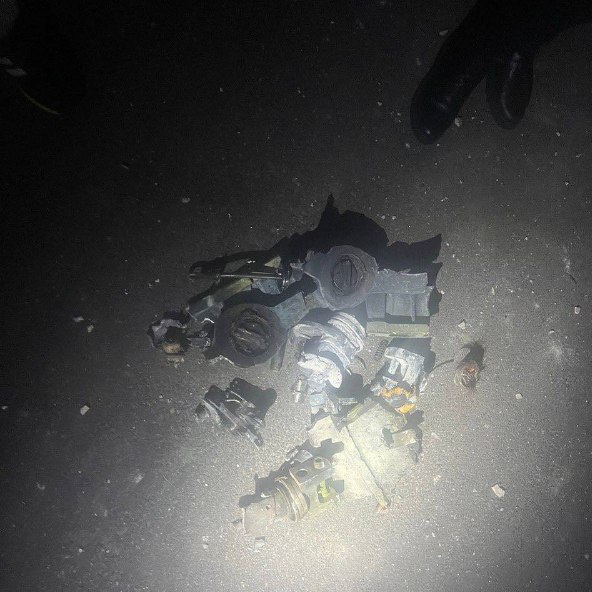
The United States imposed a new round of sanctions on Iran and Iran-linked entities that are accused of supporting Tehran’s drone and military programs. The newest sanctions come at a time when relations between Tehran and Washington have come under further strain.
On Wednesday, the US Treasury issued a statement announcing the new round of sanctions that target a procurement network that it has accused of supporting Iran’s drone and military programs. The agency said it targeted the head of the already US-sanctioned Pardazan System, Namad Arman, and its front offices and entities based in Iran, Hong Kong, China, and Malaysia. Washington said the front companies and suppliers enabled PASNA’s procurement of goods and technology.
The sanctions target the managing director of PASNA and accuse him of being responsible for the company’s efforts to evade US sanctions. The Treasury said the director used front companies to obtain a number of electronic parts from suppliers mainly based in China.
Three China-based suppliers of PASNA were also targeted by the sanctions, as well as a Hong Kong-based company, a Malaysia-based front company, and one in Iran.
This week’s round of sanctions is Washington’s latest move in targeting Iran’s drone program. It also comes at a time when relations between the US and Iran have deteriorated over stalled efforts to revive the 2015 nuclear deal and Tehran’s response to the widespread anti-government protests that started in September last year following the death of a Kurdish woman in custody of the morality police.
Tehran has blamed its foreign adversaries like the US and Israel for the protests it refers to as riots.
Meanwhile, on Thursday, an Iranian official said its navy forced a US submarine to surface upon entering the Gulf, “violating its border” in what would be the latest such confrontation between Iranian and US forces in the region. Iranian Navy Commander Shahram Irani told state television that the Iranian navy detected the US submarine with its own submarine and made “maneuvers to force it to surface as it went through the Strait.”
Earlier this month, the US Navy said the nuclear-powered submarine Florida, equipped with a guided missile system, was operating in the Middle East to support its Fifth Fleet, which is based in Bahrain.