Authorities in Iran are installing cameras in public spaces to identify and punish women who defy the Islamic dress code. The effort comes at a time of growing public outrage against the country’s clerical rulers.
Iranian police issued a statement published on the judiciary’s Mizan outlet on Saturday announcing that they will be installing cameras in public spaces to identify and punish women who refuse to abide by the strict dress code. The statement said the installation of cameras aims to further crackdown on the “resistance against the hijab law.” The statement added that the police “will not tolerate any kind of individual or collective behavior and action in violation of the law.”
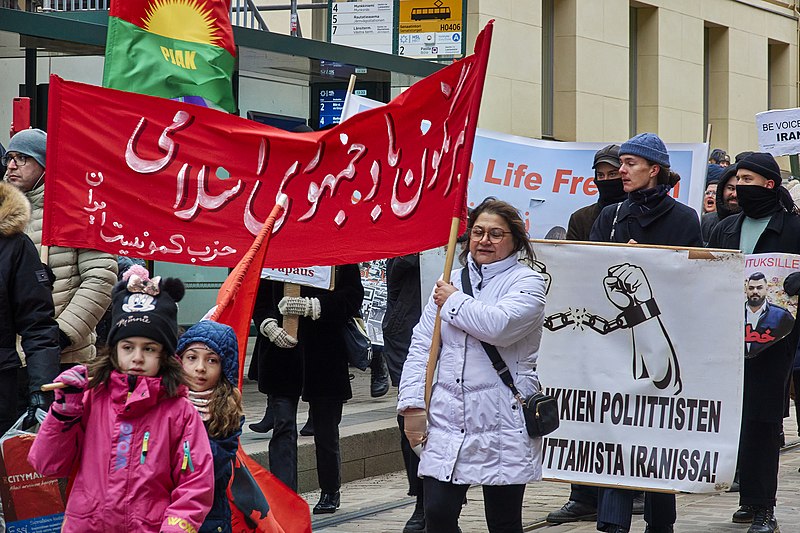
The announcement by the police comes amidst the ire of the country’s clerical leaders over the lax rules surrounding the wearing of hijab following the anti-government protests that have been taking place since September last year. The protests were sparked by the death of Kurdish Iranian Mahsa Amini, who died in the custody of the morality police. Amini died days after she was detained for allegedly flouting the strict dress code imposed on women.
More and more women have been ditching their hijab since Amini’s death and the protests, which also led to a violent crackdown by security forces that killed dozens. Even with the brutal crackdown by security forces, women have still widely defied the hijab laws in public places, and videos of them resisting the morality police have spread all over social media.
The statement by the police on the weekend also called on business owners to observe the dress code laws while also calling on citizens to call out women who are seen without their veils.
Early this month, Iranian President Ebrahim Raisi said in televised remarks that the wearing of the hijab is “a legal matter” as the protests have persisted to this day. Tehran has blamed the unrest on its foreign adversaries like the United States and Israel.
“If some people say they don’t believe…it’s good to use persuasion…But the important point is that there is a legal requirement… and the hijab today is a legal matter,” said Raisi.