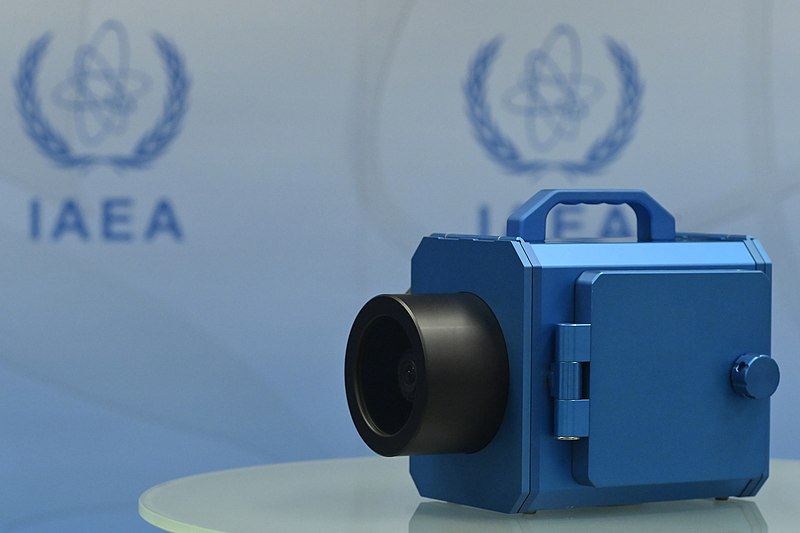
Discussions between Iran and world powers to restore the nuclear deal resumed in recent months with no progress. Tehran is reportedly going to keep the IAEA monitoring cameras off until the 2015 deal is revived.
Iran’s Tasnim news outlet reported Monday that the country’s nuclear agency will keep the IAEA monitoring cameras turned off until the 2015 deal is revived.
Mohammad Eslami, the chief of Iran’s Atomic Energy Organization, also said that Iran will not agree to address the allegations of the UN watchdog of unexplained uranium traces, citing that the 2015 deal has already cleared Tehran of so-called allegations.
“The claimed PMD cases and locations were closed under the nuclear accord, and if they are sincere, they should know that closed items will not be reopened. The basis of the nuclear accord was a response to these alleged cases,” Eslami reportedly said.
“We will not turn on the IAEA cameras until the other side returns to the nuclear deal,” Eslami added. “We will decide about the… cameras added under the nuclear deal after the Westerners return to the accord and we are sure they won’t do anything mischievous.”
Back in June, the 35-member Board of Governors of the IAEA passed a resolution that criticized Iran for failing to address the uranium traces that were found in the closed facilities. Iran responded, telling the nuclear watchdog that it removed IAEA equipment from its facility, including the 27 cameras installed under the 2015 nuclear deal.
The US, under Donald Trump, withdrew from the nuclear deal in 2015 and imposed sanctions on Iran instead. Tehran responded by continuing its nuclear program, breaching the terms of the deal. Iran refused to directly engage with the United States when the negotiations restarted to revive the agreement.
Over the weekend, French President Emmanuel Macron expressed his disappointment at the lack of progress over the discussions in his conversation with Iranian President Ebrahim Raisi, Elysee Palace said Saturday.
Macron urged Raisi to make a “clear choice” in order to revive the agreement, adding that he was convinced returning to the nuclear deal was still possible but must be done immediately.