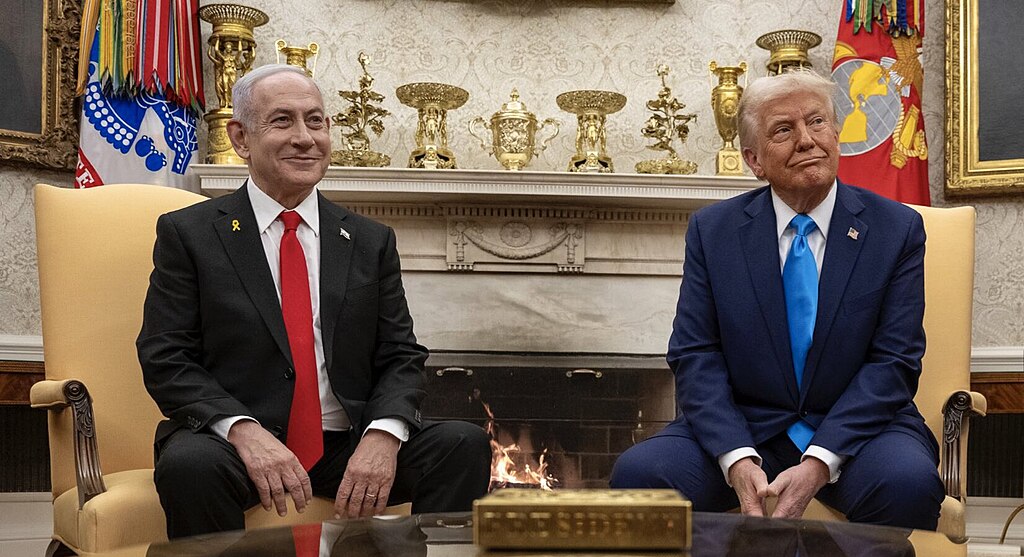
Israeli Prime Minister Benjamin Netanyahu's office confirmed on Wednesday that Israel supports the United States' decision to suspend military strikes against Iran for a two-week period. However, Israeli officials were quick to clarify that this ceasefire arrangement does not extend to Lebanon, signaling that regional military dynamics remain complex and fluid.
Israel's endorsement of the U.S. move comes with firm conditions. Tel Aviv stated it backs the suspension only if Tehran immediately reopens the Strait of Hormuz and ceases all hostile actions targeting the United States, Israel, and neighboring countries in the Middle East region. The statement underscores Israel's cautious but conditional support for diplomatic engagement with Iran.
The announcement followed Washington's formal declaration of a temporary halt to military operations against Iran, a strategic move aimed at reducing escalating tensions and creating a diplomatic opening for peace negotiations. The U.S. administration framed the two-week pause as a goodwill gesture designed to bring all relevant parties to the negotiating table.
Beyond the immediate ceasefire, Israel also expressed strong backing for broader American efforts to permanently eliminate what it described as Iran's nuclear, ballistic missile, and state-sponsored terrorism threats — dangers that Israel believes endanger not only its own national security but also that of the United States and Iran's Arab neighbors across the Gulf region.
Adding to the diplomatic momentum, Washington reportedly assured Israel of its unwavering commitment to achieving shared strategic objectives during the forthcoming negotiations. Iran subsequently confirmed it would enter into direct talks with the United States beginning Friday, April 10, in Islamabad, Pakistan — marking a potentially significant turning point in one of the world's most closely watched geopolitical standoffs.
All eyes now turn to Islamabad as the international community watches whether these negotiations can yield a lasting and verifiable agreement.