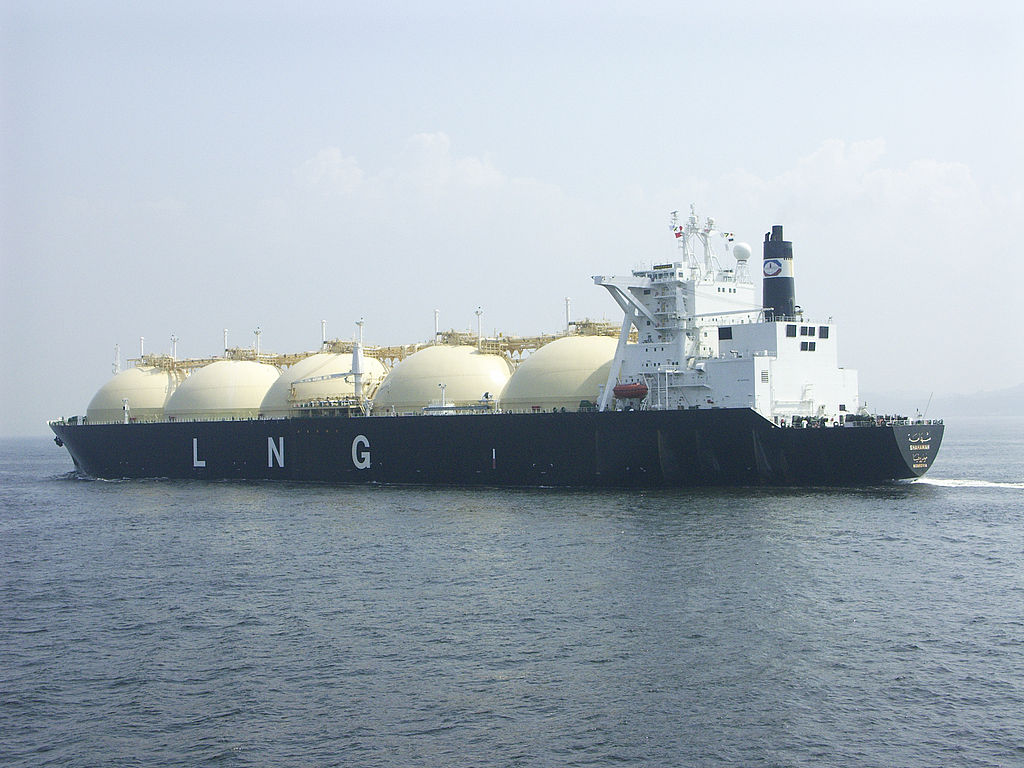
Japan is regaining prominence in the global liquefied natural gas (LNG) market as the rise of AI-driven data centers, escalating costs of alternative fuels, and a revised national energy strategy renew interest in long-term LNG deals. While China’s LNG imports are projected to dip this year, Japan, the second-largest importer, is signing major contracts—including potential deals with QatarEnergy—to secure supply.
After a decade-long decline following the Fukushima disaster and a pivot to renewables, Japan’s LNG demand is rising again. The 7th Strategic Energy Plan released in February underscores natural gas as a key transition fuel toward achieving carbon neutrality by 2050. JERA CEO Yukio Kani emphasized that data center growth is reversing prior assumptions of declining electricity demand, pushing Japan to rely more on LNG for quick scalability.
Alternative fuels like hydrogen and ammonia face setbacks due to high development costs, prompting a shift back to LNG. The Ministry of Economy, Trade and Industry (METI) now supports public-private efforts to secure long-term LNG supply amid global price volatility. While METI forecasts demand may fall to 53–61 million tons by 2040, in slower decarbonization scenarios it could rise to 74 million tons.
Japan is also ramping up LNG-fired power generation, planning to increase capacity to 85.75 GW by 2034 from 79.98 GW in 2024. Morgan Stanley projects LNG imports could hit 78 million tons by 2030, driven by soaring energy use from AI and high renewable costs.
Recent deals include 15–20 year contracts by Osaka Gas, Kyushu Electric, and JERA with U.S. and Middle Eastern suppliers. With expiring contracts and uncertain nuclear restarts, flexible and long-term agreements are becoming vital for energy security, even amid long-term decarbonization goals.