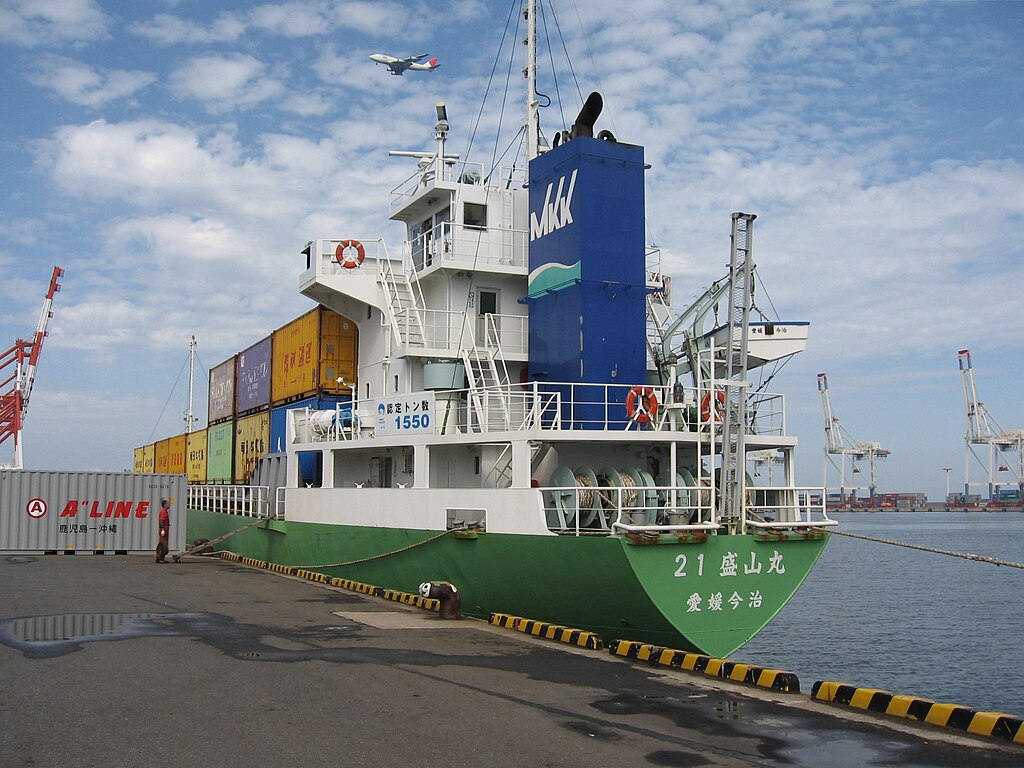
Japan’s exports fell for the fourth consecutive month in August as higher U.S. tariffs hit key industries, particularly automobiles and chipmaking equipment. Government data showed overall exports by value slipped 0.1% year-on-year, a smaller decline than the forecast 1.9% drop, following a 2.6% fall in July.
Shipments to the U.S. plunged 13.8%, marking the steepest decline since February 2021. Automobile exports fell 28.4%, while chipmaking equipment tumbled nearly 39%. Export volume to the U.S. dropped 12%, extending July’s 2.3% decline. As a result, Japan’s trade surplus with the U.S. halved to 324 billion yen ($2.21 billion), the lowest since January 2023.
Economists warn that the tariff impact could intensify toward year-end. “Japanese automakers are largely absorbing costs by lowering export prices, but some are starting to raise prices to offset losses,” said Saisuke Sakai, chief Japan economist at Mizuho Research.
Total imports fell 5.2% in August, defying expectations of a 4.2% increase, due to weaker oil prices. This helped limit Japan’s overall trade deficit to 242.5 billion yen ($1.66 billion), better than the projected 513.6 billion yen shortfall.
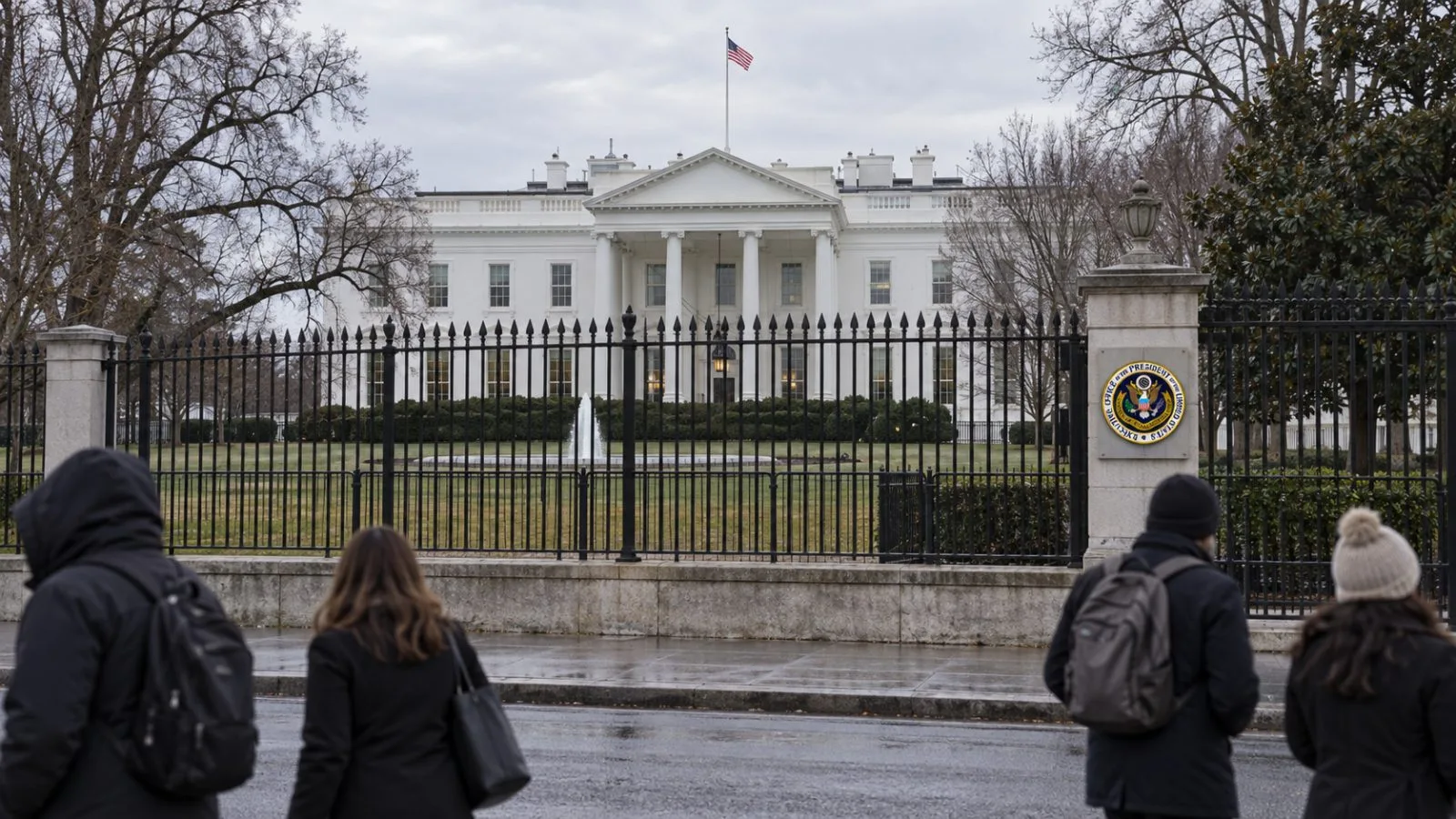
In July, Washington set a baseline 15% tariff on nearly all Japanese imports, down from an initial 27.5% on autos and 25% on other goods. While lower than earlier threats, the levy remains much higher than the previous 2.5% rate, placing heavy pressure on Japanese exporters.
According to the Japan Center for Economic Research, economists expect the economy to contract 1.1% in the current quarter due to weaker external demand. Bank of Japan Governor Kazuo Ueda has pledged caution in raising rates amid tariff-driven uncertainties.
Despite trade headwinds, corporate capital spending rose 7.6% in April-June from a year earlier, signaling resilience in business investment.