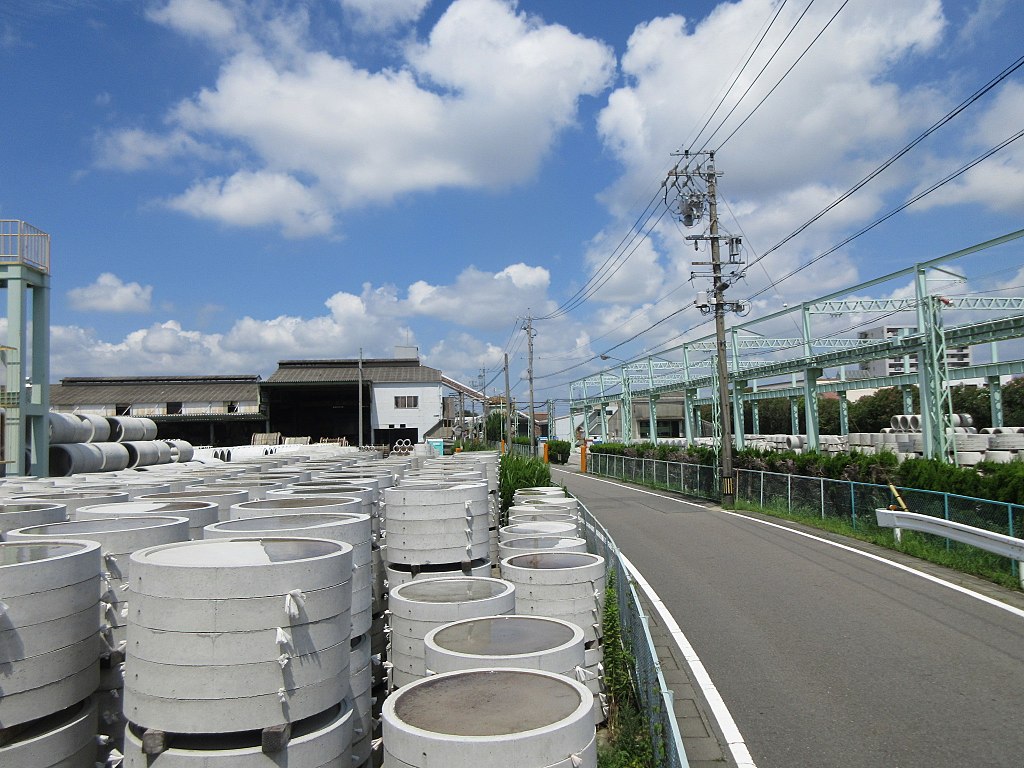
Japan’s manufacturing sector shrank at the slowest pace in five months in May, offering signs of stabilization despite ongoing pressure from U.S. trade tariffs, a private-sector survey showed Monday. The final au Jibun Bank Japan Manufacturing PMI rose to 49.4 in May, up from 48.7 in April and above the flash estimate of 49.0. Although the index remained below the 50.0 mark that separates growth from contraction for the 11th straight month, it was the highest reading so far this year.
The survey, compiled by S&P Global, noted softer declines in sales and an uptick in employment, signaling tentative recovery. New orders continued to drop for the 24th consecutive month, largely due to weaker demand and concern over U.S. tariffs, especially in key sectors like automobiles. Factory output declined for the ninth month in a row, and at a faster rate than April.
To cushion the impact of trade frictions, Japan has engaged in four rounds of negotiations with the U.S. and is planning a fiscal stimulus package targeting both businesses and households. Meanwhile, cost pressures eased, with input price inflation hitting a 14-month low and output prices rising at their slowest pace in nearly four years.
Despite headwinds, employment rose for the sixth month as companies prepared for potential increases in production. Business sentiment improved from April’s near five-year low, driven by optimism over future demand, particularly in the semiconductor industry. However, lingering concerns over trade policies, inflation, and Japan’s aging population continued to weigh on long-term confidence.
The latest PMI data suggests Japan’s manufacturing sector may be inching toward stabilization, but global trade uncertainty and domestic challenges remain critical hurdles.