


 Yandex Data Center Hit by Drone Strike as Russia-Ukraine Cyber Infrastructure Attacks Escalate
  Pakistan Declares Emergency in Khyber Pakhtunkhwa, Suspends Imran Khan’s PTI Government
  Trump Sanctions International Criminal Court, Sparking EU Backlash
  Zelenskiy Offers Russia Energy Truce Amid Trump Pressure
  Venezuela’s Machado Calls for Elections by July 2027
  Djibouti Migrant Boat Capsizes, Killing 139 and Leaving 84 Missing
  US Judge Blocks Trump Administration’s Taxpayer-Funded Political Ads
  Houthis Warn Saudi Airports After Deadly Riyadh Attack
  JD Vance Questions Pentagon Plan to Livestream Fort Hood Shooter’s Execution
  North Korea Fires Ballistic Missiles as Tensions With South Korea Escalate
  Flydubai Co-Pilot Planned Suicide Attack on Israel Airport, UAE Says
  Trump Buys Up to $25M in Meta Stock, Invests in SpaceX Debt
  Mahmoud Abbas Postpones Palestinian Elections to September 2027
  Trump Announces Russia-Ukraine Energy Ceasefire as Zelenskiy Awaits Details
  UK Finance Minister Healey Calls for Fiscal Discipline Amid Global Risks
  Zelenskiy Slams US Over Deadly Russian Strikes on Ukraine


 Add as a preferred source on Google
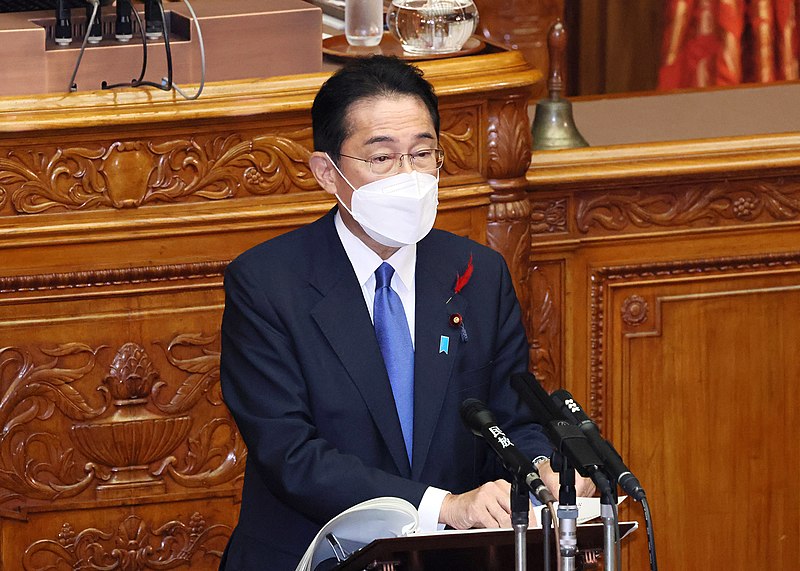
Japanese Prime Minister Fumio Kishida may be speaking with South Korean President Yoon Suk-yeol this week following the recent missile launches from North Korea on Tuesday. This comes as one particular launch was fired over Japan for the first time in five years.
Japan’s Kyodo news outlet reported Wednesday that Kishida would likely be speaking to Yoon over the phone Thursday following the ballistic missile launches from North Korea, according to government sources.
US Secretary of State Antony Blinken warned Wednesday that Pyongyang risked further isolation and condemnation from the international community if it continued with its provocative missile launches in the region.
“I think what we’re seeing is that if they continue down this road, it will only increase condemnation, increase the isolation, increase the steps taken in response to their actions,” Blinken told reporters at a news conference in Chile.
Following Pyongyang’s ballistic missile launch over Japan, the 15-member United Nations Security Council convened on Wednesday. Only nine of the council’s member countries condemned the launch: the United States, the United Kingdom, Albania, Brazil, Ireland, France, India, Norway, and the United Arab Emirates.
China and Russia opposed a public council meeting, citing that it would not be conducive to the situation. The deputy Chinese UN ambassador Geng Shuang said the council must play a constructive role instead of mainly engaging in pressure or strong rhetoric.
“Discussions and deliberations should contribute to a detente, rather than fueling escalation. They should promote the resumption of dialogue instead of widening differences and forge unity instead of creating divisions,” said the Chinese envoy.
The deputy Russian UN ambassador Anna Estigneeva said imposing more sanctions on North Korea is a “dead end” that would not bring any results.
“We are convinced that the UN and the Security Council mechanisms need to be used to support the inter-Korean dialogue and multilateral negotiations rather than becoming an impediment to them,” said Estigneeva.
China and Russia have called on easing sanctions on Pyongyang for humanitarian purposes to get North Korea to return to denuclearization talks. The US ambassador for the UN, Linda Thomas-Greenfield, said China and Russia’s stances show an effort by the two countries to “reward” North Korea for their recent actions.







