


 Trump Envoy Meets Sudan Army Chief in Egypt
  US DOT Ends Airline Privacy Review Without Enforcement
  Flavio Bolsonaro Surges as Family Scores Brazil Election Comeback
  Ukraine to Intensify Strikes on Russian Oil Refineries
  Becton Dickinson to Invest $3 Billion in U.S. Medical Manufacturing
  Cuba Says US Contacts Continue but Formal Talks Remain Stalled
  France Student Protests Intensify Nationwide
  Trump Gaza Peace Plan Stalls as Israel Retains Control
  US Army Tests Counter-Drone Technology Along Mexico Border
  Trump Plans Diesel Tax Relief as Fuel Prices Hit Record Highs
  Flavio Bolsonaro, Lula Head to Brazil Presidential Runoff
  Mexico Seeks US Evidence After Border Gunfire Claim
  Ukraine Faces $56 Billion Budget Gap as War Costs Soar
  Russian Bombs Kill Six, Injure Nearly 60 in Kharkiv
  Australia Probes Flydubai Co-Pilot’s Links After FZ1073 Hijack Attempt
  Takaichi Pledges to Control Japan Bond Issuance
  OPEC+ Keeps November Oil Output Targets Steady


 Add as a preferred source on Google
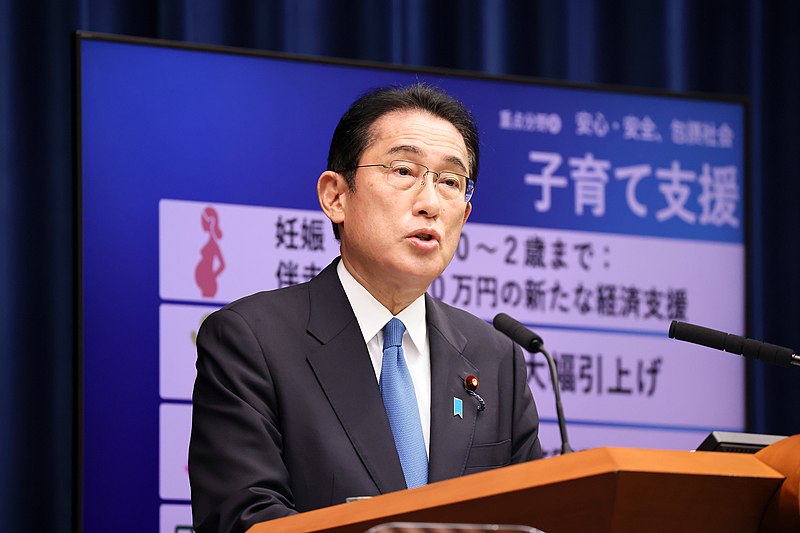
Japanese Prime Minister Fumio Kishida said that China’s actions in the region have increasingly infringed on Japan’s sovereignty, escalating tensions. Kishida also stressed the importance of peace and stability in the Taiwan Strait, and also expressed concern over the alleged human rights abuses of the Uyghur Muslim minorities.
Kishida was in attendance at the East Asia Summit in Cambodia over the weekend. The summit groups 18 countries that make up half of the global economy including Southeast Asian countries, and the three major economies the United States, Japan, and China. In his remarks, Kishida said China’s activities in the region have increasingly breached Japan’s sovereignty, citing China’s activities in the East China Sea.
“There has been continued, increasing actions by China in the East China Sea that violate Japan’s sovereignty. China also continues to take actions that heighten regional tension in the South China Sea,” said Kishida during the meeting, according to a statement by the Japanese foreign ministry.
Kishida also expressed “serious concern” over the human rights situation of the Uyghur minority in China’s Xinjiang province. Beijing has denied the allegations of human rights abuses of the ethnic minority and deployed a delegation to Geneva to dispute the findings of the United Nations human rights office.
Kishida also echoed the remarks by US President Joe Biden, stressing the importance of peace and stability in the Taiwan Strait as well as a free and open Indo-Pacific region. China has asserted control over the Strait as well as the majority of the South China Sea, angering the surrounding countries that have overlapping claims.
Kishida met with Biden on the sidelines of the summit and the two leaders agreed to strengthen their alliance in the face of shared concerns such as the ongoing war in Ukraine, the missile launches by North Korea, and tensions in the South and East China Seas.
“We agreed to strengthen the deterrent strength and effectiveness of the US-Japan alliance amid mounting challenges to the security of the region,” Kishida told reporters, adding that they reaffirmed their opposition to a unilateral change to the status quo as well as Russia’s nuclear threats.







