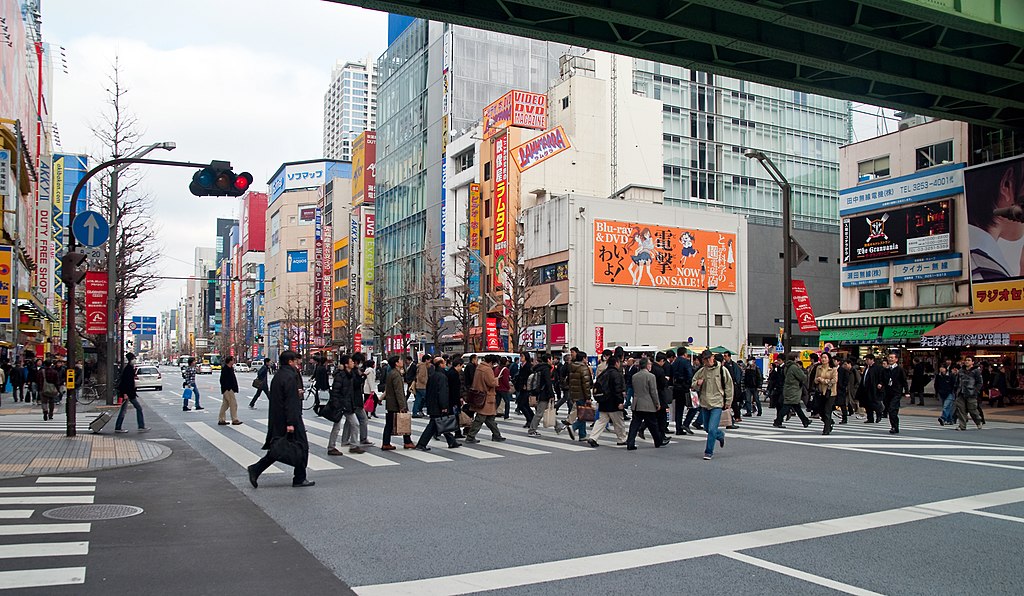
Most Japanese companies are staying the course despite U.S. President Donald Trump’s tariffs, according to a Reuters survey conducted by Nikkei Research between June 4–13. Among 220 responding firms, 71% said the impact of the tariffs was within expectations, and 84% reported no plans to change their investment strategies for the April–March business year. This resilience reflects long-term investment priorities, as one machinery manufacturer stated, “If we don’t carry on, we’ll lose out to other Asian countries.”
The U.S. has imposed a 10% tariff on many goods and threatens a 24% tariff on Japanese exports unless a deal is reached by July. A 25% tariff on cars remains a key concern, particularly for Japan’s auto-reliant economy.
Domestically, Japan’s sales tax policy is sparking debate ahead of the July upper house elections. While food and newspapers are taxed at 8%, most goods face a 10% rate. Proposals from opposition parties suggest reducing the food tax to zero temporarily to combat inflation, a move opposed by Prime Minister Shigeru Ishiba. Critics argue sales tax funds social security, especially crucial as Japan faces an aging population.
Opinions remain divided: 40% oppose tax cuts, while others support a temporary reduction to boost consumption. However, 63% of respondents reject using government bonds to cover any revenue gap, citing rising social security costs.
On political preference, 32% support maintaining the ruling Liberal Democratic Party–Komeito coalition, while 20% favor adding the Democratic Party for the People, which saw significant gains in the lower house last year.
Despite global and domestic pressures, Japanese businesses appear focused on long-term competitiveness and fiscal responsibility, prioritizing stability amid uncertainty.