


 Senate Democrats Say Tether USDT Helps Iran Evade Sanctions
  Malaysia Begins Deportation of 1,500 Myanmar Nationals
  Fed Unveils Stablecoin Rules Under GENIUS Act
  XRP Price Targets $1.70 as Bullish Momentum Builds
  Judge Blocks Trump Election Conditions on Counterterrorism Grants
  BOJ Set for 25-Basis-Point Rate Hike as Yen Weakness Fuels Inflation
  US Alcohol Ban Exposes Canada’s Internal Trade Barriers
  RBA Set for September Rate Hike as Inflation Stays High
  Gold Prices Slip as High Treasury Yields Weigh on Bullion
  Asian Currencies Mixed as Yen Weakens, RBA Hike Looms
  White House Blames Democrats as CLARITY Act Stalls
  BlackRock’s Rick Rieder Favors Bonds Over Stocks as Treasury Yields Surge
  CNN, Politico and MS NOW Seek Court Order Blocking Trump White House Ban
  US Appeals Court Keeps Trump IRS Case Sanctions in Place


 Add as a preferred source on Google
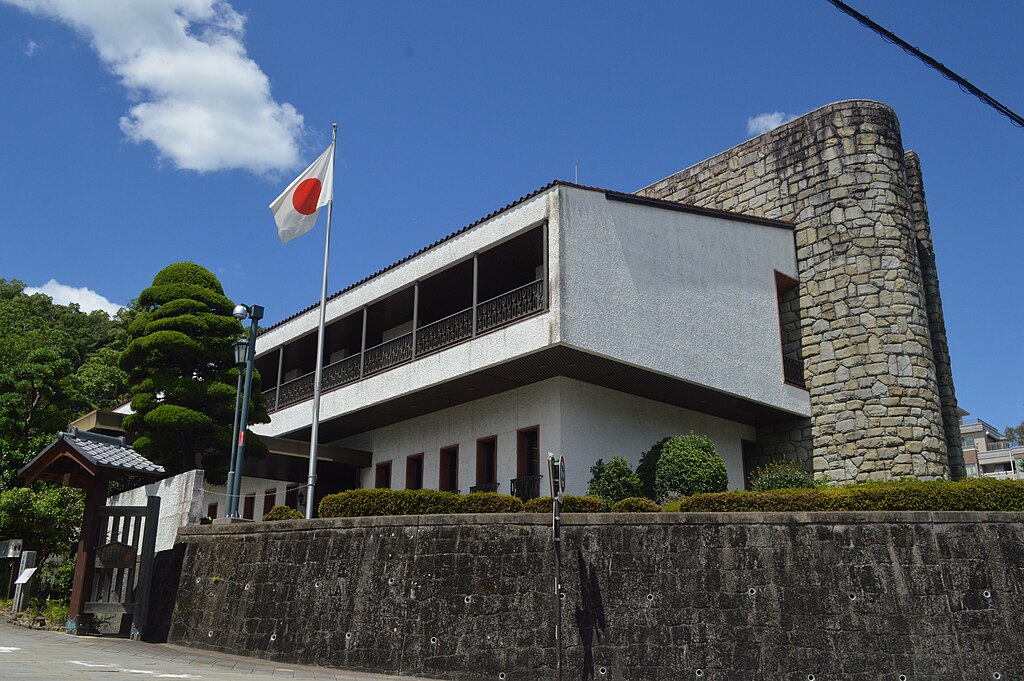
The upcoming resignation of Prime Minister Shigeru Ishiba and the Liberal Democratic Party’s leadership race in October are adding uncertainty to Japan’s monetary policy outlook. Ishiba, a fiscal hawk who backed gradual Bank of Japan (BOJ) rate hikes, announced his departure after repeated election losses, triggering a drop in the yen and bond yields. Markets now see just a 20% chance of a BOJ rate hike in October, down from 46% a week ago.
Analysts say the BOJ will likely hold off on hiking at its Oct. 29–30 meeting until political uncertainty eases. Possible successors include conservative lawmaker Sanae Takaichi, known for supporting fiscal stimulus and opposing aggressive rate hikes, and Shinjiro Koizumi, who favors deregulation but has unclear monetary views. Takaichi, once a leading candidate, may face diminished influence due to weakened political backing.
A Takaichi victory could revive reflationary policies, though rising inflation pressures may force her to soften her stance. Whoever wins will need coalition support to pass budgets, with opposition parties generally opposing early rate hikes. This dynamic could delay monetary tightening even as inflation remains above the BOJ’s 2% target for a third year, fueled by higher wages and persistent price pressures.
While the BOJ aims to gradually normalize policy, risks include political turbulence, growing fiscal spending demands, and the potential for bond market instability if investors lose confidence in Japan’s fiscal discipline. In a worst-case scenario, the government might pressure the BOJ to halt quantitative tightening and resume emergency bond purchases, a major setback for policy normalization.
Analysts stress the BOJ must balance caution with urgency, as delaying too long could worsen inflation risks, even if politics argues for patience.







