


 Nvidia China Chip Sales Report Sends Chinese Semiconductor Stocks Lower
  Yen Sinks as BOJ Rate Hike Fails to Impress Markets
  BOJ Signals Faster Rate Hikes as Inflation Risks Grow
  Japan Factory Output Unexpectedly Falls 1.7% in August
  China Cuts Tariffs on U.S. Farm Goods but Excludes Soybeans
  Gold Holds Near Seven-Week Low as Fed Rate Hike Bets Rise
  Fed Unveils Stablecoin Rules Under GENIUS Act
  Central Banks Could Buy 20,000 Tonnes of Gold: BofA
  Asian Currencies Weaken as Dollar, Oil Prices Rise
  Asian Currencies Mixed as Yen Weakens, RBA Hike Looms
  U.S. Stock Futures Steady as AI, Rate Concerns Weigh
  Global Central Banks Brace for More Rate Hikes as Inflation Risks Rise


 Add as a preferred source on Google
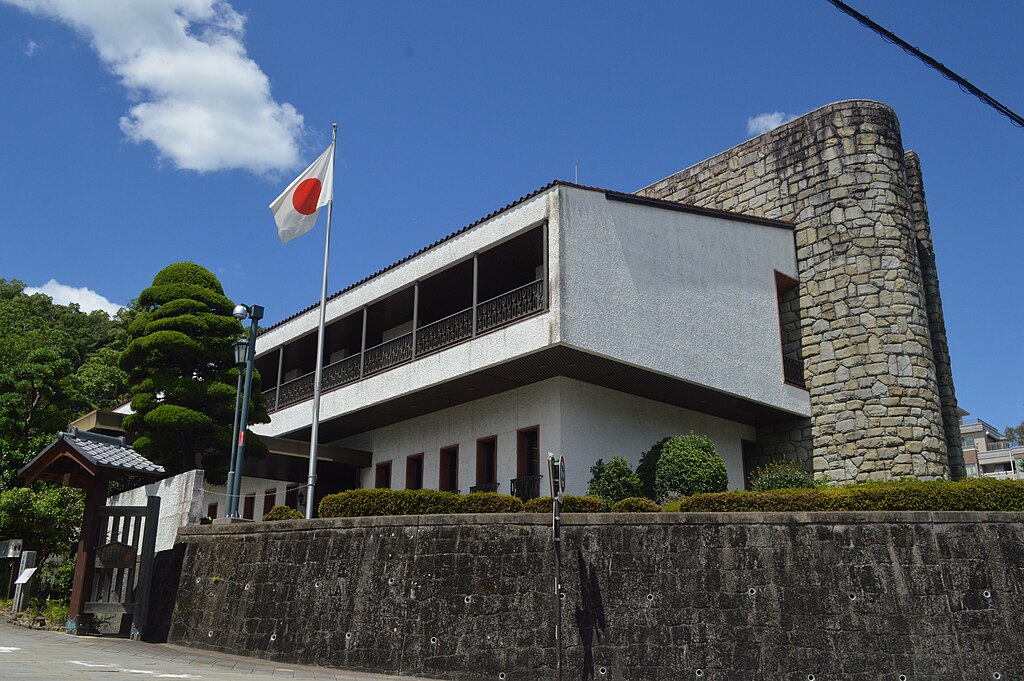
Japan’s trade agreement with the United States is fueling expectations that the Bank of Japan (BOJ) may raise interest rates later this year. Sources familiar with the central bank’s stance suggest the deal reduces uncertainty over U.S. trade policy, paving the way for a potential policy shift as early as October.
While optimism is rising, officials remain cautious. The BOJ will closely monitor how U.S. tariffs impact Japan’s economy, which has been weakened by sluggish consumption, higher living costs, and fragile manufacturing output. Analysts expect upcoming data, including October’s “tankan” business survey, to be key in determining the timing of any rate hike.
Deputy Governor Shinichi Uchida recently signaled a more positive outlook, citing improved prospects for achieving the BOJ’s 2% inflation target amid rising food prices. This marks a shift from earlier warnings by Governor Kazuo Ueda about heightened uncertainty. Economists, including JP Morgan’s Ayako Fujita, anticipate an upward revision to inflation forecasts at the BOJ’s July 30–31 policy meeting, though rates are expected to remain unchanged for now.
Japan exited its decade-long ultra-loose policy last year, lifting rates to 0.5% in January. However, real interest rates remain negative, and internal divisions persist within the BOJ between hawks pushing for faster hikes and cautious members wary of economic risks.
Markets are already pricing in a near-term hike, with two-year government bond yields hitting a four-month high. Despite the trade deal, U.S. tariffs could still shave 0.55 percentage points off Japan’s annual GDP growth, according to former BOJ board member Takahide Kiuchi. The central bank is expected to signal gradual policy normalization, balancing inflationary pressures with ongoing economic vulnerabilities.







