


 IMF Warns US Debt Crisis Needs Fiscal Action, Urges China to Boost Consumption
  China Warns Taiwan Over South China Sea Coast Guard Incident
  Trump Denies Russia and China Are Helping Iran in U.S. Conflict
  Most Americans Oppose Election Betting on Prediction Markets, Poll Finds
  MI5 Warns of Rising Iran, Russia Threats and AI Bioweapon Risks
  US Supreme Court Denies Release of Anti-ICE Activist Kyle Wagner
  Trump Plans White House Shake-Up of Key AI Safety Agency
  NATO Commander Warns Russia of Devastating Response to Attack
  US Justice Department Drops Prosecution of Ex-CIA Analyst Sue Mi Terry
  US Condemns China Sanctions on Taiwan Allies Belize and Paraguay
  Zelenskiy Seeks New US Talks to Revive Ukraine-Russia Peace Negotiations
  Zelenskiy Says Ukraine Received No Warning Before Russian Missile Attack
  Flavio Bolsonaro Backs Brazil’s 40-Hour Workweek Reform Ahead of Runoff
  Kim Jong Un Showcases ICBM Ahead of Possible Trump Meeting
  Italy’s Meloni Warns US-Russia Diesel Deal Could Weaken Ukraine Sanctions
  Greenland Lawmakers Back Trump Security Deal Despite Economic Concerns
  Jordan Bardella Antisemitism Allegations Threaten Le Pen’s Campaign


 Add as a preferred source on Google
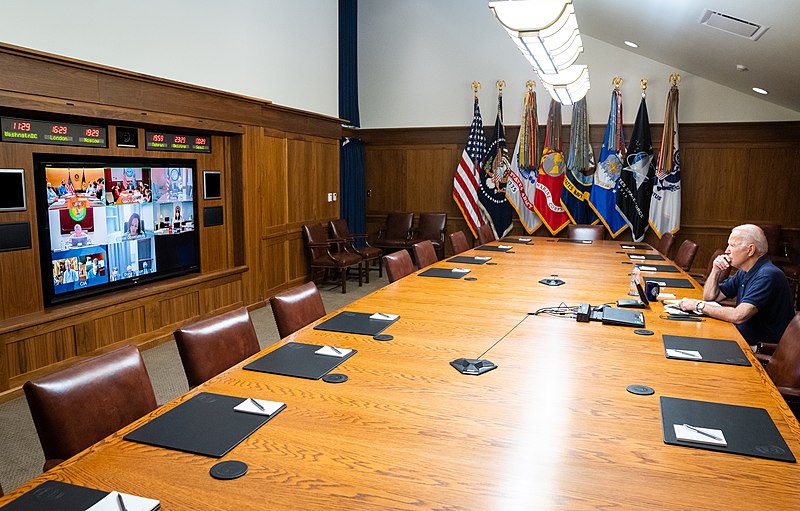
Thousands of Afghans and Americans alike have already been evacuated out of Afghanistan as the Taliban have taken over the country. US President Joe Biden recently said he still hopes to be able to meet the August 31 deadline to complete evacuations and troop withdrawal from Afghanistan.
During the weekend, Biden said he hopes that they would be able to complete evacuations and withdrawals from the war-torn nation by the August 31 deadline. This comes as the insurgent group is already blasting the US for causing the chaos in Kabul, as Afghans attempt to flee the country. The mass evacuation also comes despite the Taliban’s promise for a more moderate regime compared to their reign from 1996 to 2001.
However, the US and its allies have struggled to fly out as many Afghans from the country as possible. The European Union said that it was likely impossible to meet the August 31 deadline to complete evacuations with the number of people looking to leave. This has led to calls for an extension of the deadline, but the Islamic insurgent group has said August 31 is already a “red line” and that Washington is responsible for the chaos at Kabul airport.
“We’ll see what we can do,” said the US leader when reporters pressed him on the calls by allies to extend the deadline. “We have a long way to go and a lot could still go wrong,” added Biden, citing the threats from the insurgent group. The US leader also acknowledged the videos and photos coming from Kabul, saying that the scenes were inevitable when evacuating people from Afghanistan.
In other news, Israeli Prime Minister Naftali Bennett is set to present Biden with a plan in confronting Iran regarding its nuclear program and regional activities without having to return to the 2015 nuclear deal. Bennett will be visiting Biden at the White House this week for their first meeting. People familiar with the matter revealed that Bennett is set to argue that the 2015 nuclear deal is no longer relevant to 2021 and that Iran’s nuclear program has become too advanced for the said deal.
“The heart of the diplomatic discussion would deal with Iran,” said the person familiar with the matter. “When we began to plan the visit, a return to the agreement seemed uncertain. Since then, time has passed, the president in Iran has changed, and things seem far less certain. In our view, it may be that there is no return to the agreement.”







