


 Most Americans Oppose Election Betting on Prediction Markets, Poll Finds
  Zelenskiy Says Ukraine Received No Warning Before Russian Missile Attack
  Trump Warns Houthis Over Attacks, Considers Erdogan Intervention
  US Condemns China Sanctions on Taiwan Allies Belize and Paraguay
  Kim Jong Un Showcases ICBM Ahead of Possible Trump Meeting
  India Voter List Protests Reach Supreme Court as Opposition Demands Election Chief's Resignation
  Flavio Bolsonaro Backs Brazil’s 40-Hour Workweek Reform Ahead of Runoff
  US Justice Department Drops Prosecution of Ex-CIA Analyst Sue Mi Terry
  China Resumes US Soybean Purchases After Trump-Xi Summit
  IMF Warns US Debt Crisis Needs Fiscal Action, Urges China to Boost Consumption
  Trump Plans White House Shake-Up of Key AI Safety Agency
  US Supreme Court Denies Release of Anti-ICE Activist Kyle Wagner
  NATO Commander Warns Russia of Devastating Response to Attack
  Greenland Lawmakers Back Trump Security Deal Despite Economic Concerns
  SpaceX Starlink Restrictions Disrupt Ukraine Military Operations
  US Recalls Nicaragua Envoy After Ambassador Rejection
  Italy’s Meloni Warns US-Russia Diesel Deal Could Weaken Ukraine Sanctions


 Add as a preferred source on Google
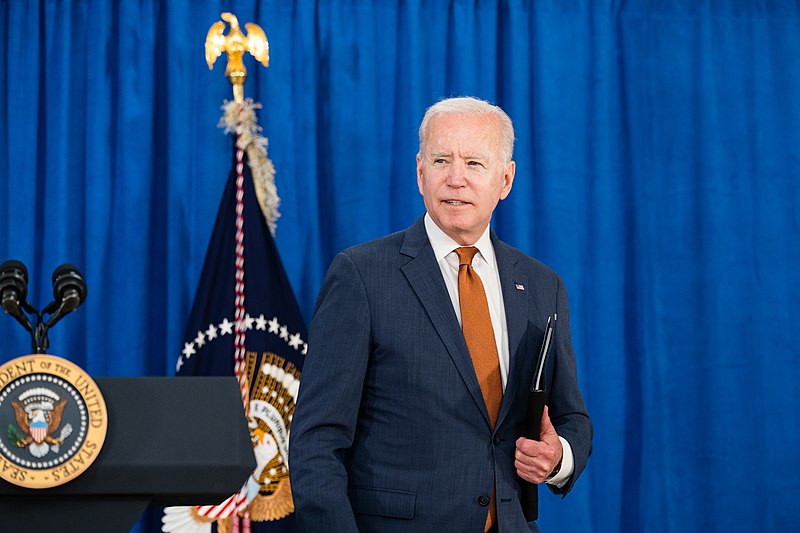
In the midst of the criticism regarding Afghanistan, US President Joe Biden had previously ordered the intelligence community to look into the possible origins of the COVID-19 pandemic. This week, Biden received a report but also led to inconclusive results.
The White House received a classified intelligence report regarding the origins of COVID-19 Tuesday, according to the Washington Post. The report, in which Biden gave a 90-day deadline, reached the assessment that it was unable to conclude whether the virus that was first reported in Wuhan, China, jumped to humans from animals or came from a lab in the area. Parts of the report could be made public within the coming days.
The origins of COVID-19 have remained up for debate, and a number of political figures have already criticized China for refusing to cooperate in investigations into the disease that was first reported in Wuhan. The pandemic that emerged in China in late 2019, led to infections all over the world. Over time, the mutation of the virus also grew leading to the Delta variant.
The intelligence community agencies, according to Biden, were torn between two likely scenarios of the virus’s possible origins: A jump from animals to humans or a virus that came from a lab that escaped. The latter theory was often pushed by Biden’s predecessor Donald Trump and his allies along with others in the Republican Party.
Despite the 90-day directive to look into its possible origins, the news outlet said that the intelligence community was also unable to reach a consensus on the possible cause.
Biden is still facing a lot of backlash regarding the Afghanistan withdrawal, with many Republicans calling for his impeachment. Biden has since defended his decision, which was backed by many veterans, including those who have served in Afghanistan. During his address to the nation from the White House, Biden was pressed on whether or not he trusts the Taliban, who are supposedly seeking legitimacy on the world stage along with promises of a more moderate rule.
Biden said that if the Taliban was really going to pull through on its promises to provide for the Afghan people, then it will need help in a range of things such as economic and trade assistance.







