


 Trump Defends Russian Diesel Deal Amid US Sanctions Backlash
  Zelenskiy Says Ukraine Received No Warning Before Russian Missile Attack
  US Supreme Court Denies Release of Anti-ICE Activist Kyle Wagner
  US Condemns China Sanctions on Taiwan Allies Belize and Paraguay
  US Senate Midterms 2026: Key Races That Could Flip Control
  Trump Warns Houthis Over Attacks, Considers Erdogan Intervention
  Trump Denies China, Russia Are Helping Iran in War
  China Warns Taiwan Over South China Sea Coast Guard Incident
  NATO Commander Warns Russia of Devastating Response to Attack
  Zelenskiy Seeks New US Talks to Revive Ukraine-Russia Peace Negotiations
  Greenland Lawmakers Back Trump Security Deal Despite Economic Concerns
  Jordan Bardella Antisemitism Allegations Threaten Le Pen’s Campaign
  SpaceX Starlink Restrictions Disrupt Ukraine Military Operations
  MI5 Warns of Rising Iran, Russia Threats and AI Bioweapon Risks
  Gaza Olive Harvest Collapses as War Destroys Farmland
  Most Americans Oppose Election Betting on Prediction Markets, Poll Finds
  Trump Denies Russia and China Are Helping Iran in U.S. Conflict


 Add as a preferred source on Google
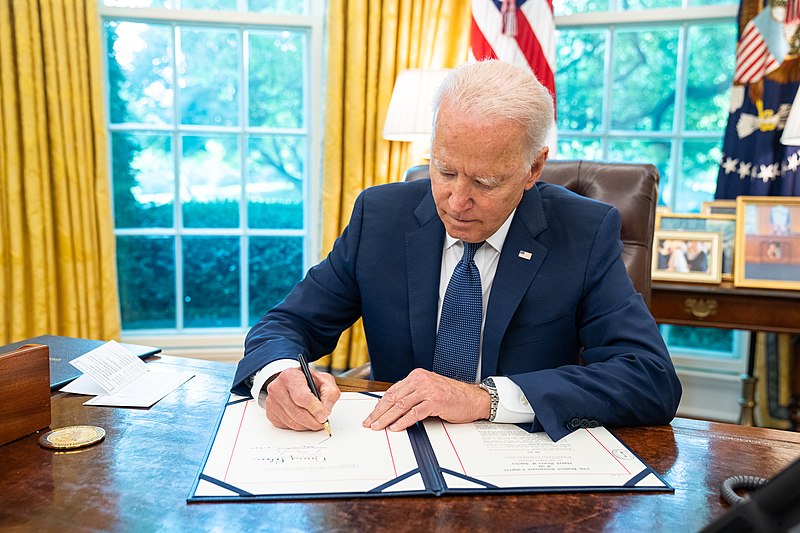
The United States and other countries have raised alarms regarding the current situation in Belarus under the regime of its authoritarian President Alexander Lukashenko. As a measure, US President Joe Biden has now imposed sanctions against the Belarusian government.
Biden announced Monday that the US would be imposing sanctions against Lukashenko’s regime. The announcement also coincides with the day marking a year since Lukashenko was elected into office. The Belarusian election was met with concerns over irregularities, according to other countries, including its own citizens.
“It is the responsibility of all those who care about human rights, free and fair elections, and freedom of expression to stand against this oppression,” said Biden in the statement. “The United States will continue to stand up for human rights and free expression while holding the Lukashenko regime accountable in concert with our allies and partners.”
In its announcement of the imposition of sanctions, the White House also cited the instance where Lukashenko forced a European airline to land to arrest one dissident journalist that was on board.
The Treasury Department included in its sanctions the Belaruskali OAO -- one of the country’s biggest state-owned companies and a source of wealth for its government. The department also included the Belarusian National Olympic Committee and 15 other companies that have ties to Lukashenko’s regime. The Belarusian bank AbsolutBank is also included in the list of entities being sanctioned by the Treasury.
The Belarusian Olympic Committee is facing accusations of money laundering, evading sanctions, and the circumvention of visa bans. It was also warned by the International Olympic Committee for its failure to protect Belarusian athletes from political repression and discrimination.
In other news, Biden is still determined to withdraw US military presence from Afghanistan despite the resurfacing of the Taliban and its takeover of a number of cities in the nation. Biden has urged the Afghan government to continue to fight despite the Taliban’s increasingly aggressive resurfacing. As of now, the Taliban are in control of 65 percent of the country and nine out of 34 provincial capitals.
This includes Faizabad, the capital of the northern Badakhshan province, which fell overnight to the insurgent group.







