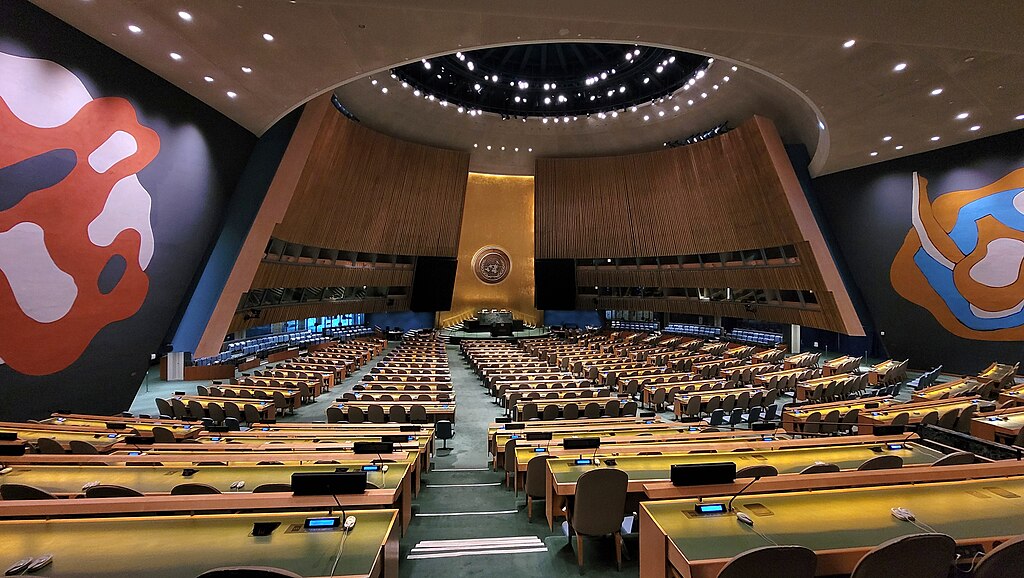
The United Nations General Assembly has elected Barham Salih, former president of Iraq and a longtime advocate for democracy and human rights, as the next United Nations High Commissioner for Refugees. The decision was made on Thursday without a formal vote by the 193-member General Assembly, following his nomination by UN Secretary-General António Guterres. Salih will officially assume the role on January 1, 2026, beginning a five-year term at the helm of the UN Refugee Agency (UNHCR).
Barham Salih brings decades of political, diplomatic, and international experience to one of the world’s most critical humanitarian positions. A former Iraqi president and prime minister of the Kurdistan Regional Government, Salih has a personal history shaped by displacement and exile. He fled Iraq during the regime of Saddam Hussein, a background that many observers say gives him unique insight into the challenges faced by refugees and displaced populations around the globe.
Salih will succeed Filippo Grandi of Italy, who has led UNHCR since 2016. Under Grandi’s leadership, the agency responded to multiple global refugee crises, including those stemming from conflicts in Syria, Ukraine, Afghanistan, and parts of Africa. As Salih takes over, UNHCR faces mounting pressure due to record levels of forced displacement worldwide, driven by war, political instability, climate change, and economic hardship.
The UN Secretary-General praised Salih’s extensive international background, leadership skills, and commitment to multilateralism. His election without a vote signals broad consensus among member states and confidence in his ability to guide the agency during a challenging period for global refugee protection.
As High Commissioner for Refugees, Salih will oversee humanitarian operations in more than 130 countries, manage billions of dollars in aid, and advocate for the rights and safety of millions of refugees, asylum seekers, and stateless people. His appointment is widely seen as a symbolic and strategic choice, reflecting both professional expertise and lived experience.
Salih’s leadership is expected to focus on strengthening international cooperation, securing sustainable funding, and promoting long-term solutions for displaced populations. His term begins at a time when the global refugee system is under strain, making his role critical to shaping the future of international humanitarian response.