


 Italy’s Meloni Warns US-Russia Diesel Deal Could Weaken Ukraine Sanctions
  Trump Denies China, Russia Are Helping Iran in War
  SpaceX Starlink Restrictions Disrupt Ukraine Military Operations
  US Senate Midterms 2026: Key Races That Could Flip Control
  China Warns Taiwan Over South China Sea Coast Guard Incident
  Container Ship Sinks in Strait of Hormuz as Iran Attacks Escalate
  Kim Jong Un Showcases ICBM Ahead of Possible Trump Meeting
  US Condemns China Sanctions on Taiwan Allies Belize and Paraguay
  China Resumes US Soybean Purchases After Trump-Xi Summit
  Trump Denies Russia and China Are Helping Iran in U.S. Conflict
  Trump Plans White House Shake-Up of Key AI Safety Agency
  Trump Announces Massive Oil and Mineral Exploration Plans in Greenland
  Zelenskiy Seeks New US Talks to Revive Ukraine-Russia Peace Negotiations
  Greenland Lawmakers Back Trump Security Deal Despite Economic Concerns
  MI5 Warns of Rising Iran, Russia Threats and AI Bioweapon Risks
  Gaza Olive Harvest Collapses as War Destroys Farmland
  Most Americans Oppose Election Betting on Prediction Markets, Poll Finds


 Add as a preferred source on Google
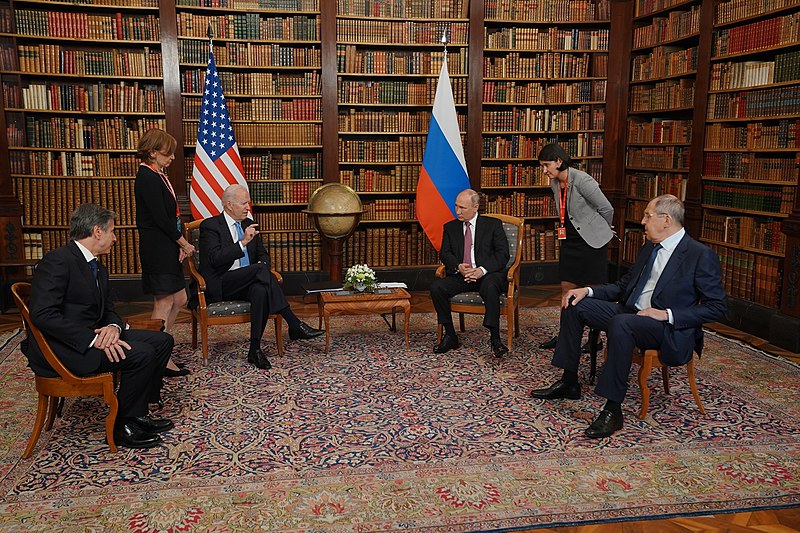
This week, US President Joe Biden met with Russian President Vladimir Putin for their first in-person summit in Geneva, Switzerland. Following the meeting between the two leaders, Biden said he did what he came to do.
Following the G7 and the NATO summits, Biden went to Geneva for his first in-person meeting with Putin. This marks the first time Biden would meet with the Russian leader as the US President, having previously met with him before during his vice presidency. Speaking with the reporters after their three-hour meeting, Biden said that they remain on opposite ends when it came to world issues like espionage and human rights.
“The bottom line is I told President Putin that we need to have some basic rules of the road that we can all abide by,” said Biden.
“It was important to meet in person so there could be no mistake about or misrepresentations about what I wanted to communicate. I did what I came to do,” added the US leader.
Biden and Putin called the meeting to talk about the issues that have caused a strain on US-Russia relations. The issues ranged from cyberattacks on US federal agencies, Moscow’s crackdown towards Russians who support democracy to Russia’s increasing threat to NATO allies following the heightened tensions at the border it shares with Ukraine.
Prior to the meeting, Putin told reporters in a sign that seemed to indicate that they were looking to ease the tensions between the two countries, that both the US and Russia would have their ambassadors return to their posts in Washington and in Moscow. To note, there has yet to be a diplomatic representative in either country.
Previously, Biden called for world leaders to protect their countries from those who seek to cause division while pushing for populism. Biden added that it is up to democratic nations to prove that democracy can prevail while autocracies cannot meet the needs of the people. Biden’s remarks come after the NATO Summit that he attended in Brussels, Belgium, as he looks to re-engage the US with its allies and partners in the alliances.







