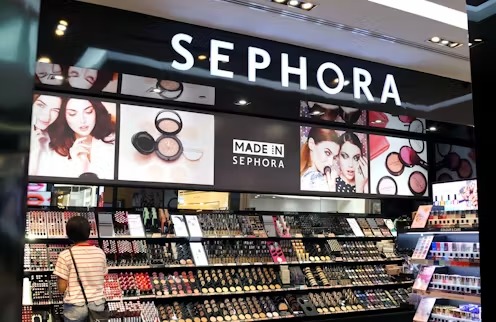
South Korean beauty brands are rapidly expanding into U.S. retail stores, capitalizing on viral online success and rising global demand. Cosmetics startups like Tirtir, d’Alba, Torriden, and Beauty of Joseon are securing deals with major U.S. retailers including Sephora, Ulta Beauty, Costco, and Target, aiming to convert online momentum into physical store presence.
The U.S. market has embraced K-beauty’s reputation for affordable, high-quality skincare, boosted by the global popularity of Korean culture. Tirtir, which gained traction after its cushion foundation went viral for catering to diverse skin tones, will soon hit Ulta Beauty shelves and targets to double its U.S. sales this year. Meanwhile, Sephora plans to launch Torriden and Beauty of Joseon products this summer.
Despite upcoming U.S. tariffs of up to 25% on Korean imports, industry leaders remain optimistic. Executives say their lean manufacturing models—often relying on contract producers like Cosmax and Kolmar—allow for better margin management, keeping K-beauty competitive. Companies such as d’Alba and Anua report strong profitability, helping them absorb tariff shocks.
South Korea became the top cosmetics exporter to the U.S. in 2024, surpassing France, driven largely by Amazon sales and social media influence. Viral TikTok campaigns and influencer endorsements have turned niche Korean brands into overnight bestsellers.
However, experts say long-term success will hinge on strong brick-and-mortar performance. Olive Young, Korea’s leading beauty retailer, plans to open its first U.S. store in Los Angeles, reinforcing the retail push. While growth may plateau for some, investors remain bullish—shares of d’Alba Global have more than doubled since IPO.
With mass appeal, affordability, and viral marketing, K-beauty is poised to thrive—even in a challenging trade climate.