


 S&P 500 Futures Rise Ahead of US Inflation Data and Bank Earnings
  U.S. Treasury Yields Fall as Tech Selloff Sparks Safe-Haven Demand
  Australia Jobs Fall 39,300 as Unemployment Hits 4.7%
  Asian Stocks Fall as Oil Prices Rise Ahead of US CPI Data
  Asian Currencies Steady as Dollar Nears 18-Month High Ahead of US CPI
  US Dollar Slips From 18-Month High Ahead of Key Inflation Data
  IMF Maintains 2027 Global Growth Forecast at 3.4% Amid Rising Risks
  US Inflation Surges in September, Raising Fed Rate Hike Bets
  China Resumes US Soybean Purchases After Trump-Xi Summit
  Philippines Current Account Deficit Seen at $19.1 Billion in 2026
  Gaza Olive Harvest Collapses as War Destroys Farmland
  Italy’s Meloni Warns US-Russia Diesel Deal Could Weaken Ukraine Sanctions
  Container Ship Sinks in Strait of Hormuz as Iran Attacks Escalate
  Gold Prices Rebound as Dollar Weakens Ahead of US Inflation Data
  China Bank Lending Rebounds in September, Beats Forecasts
  IMF Warns US Debt Crisis Needs Fiscal Action, Urges China to Boost Consumption
  South Korea’s KOSPI Plunges 8.2%, Triggers Circuit Breaker Amid Tech Selloff


 Add as a preferred source on Google
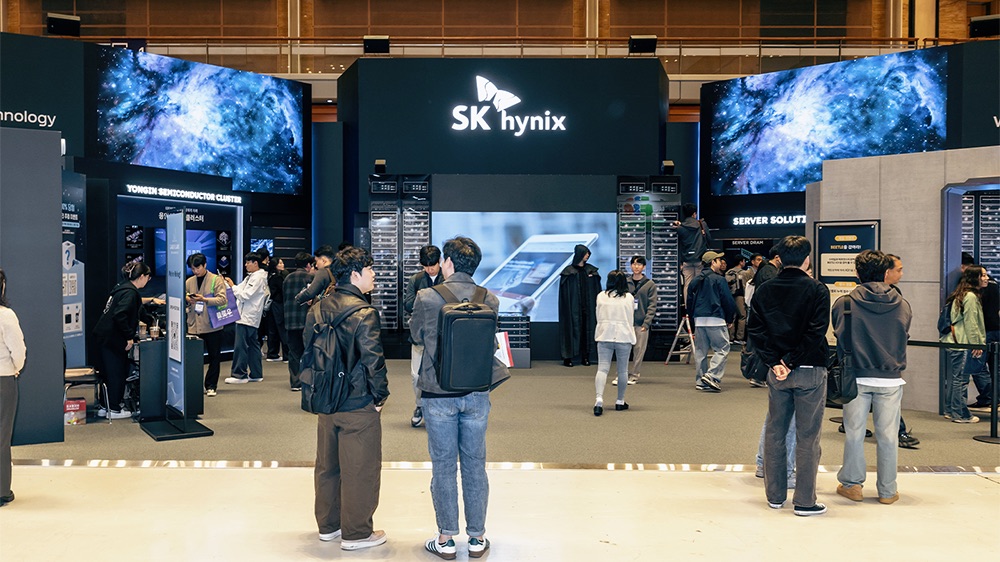
South Korean stocks have experienced a sharp correction despite solid corporate earnings, as investors shift their attention from profit growth to financing costs and geopolitical risks, according to a report from KB Securities.
The brokerage said the recent decline in the KOSPI has been driven less by earnings concerns and more by uncertainty surrounding artificial intelligence (AI) investment funding. While major technology companies such as Samsung Electronics and SK Hynix continue to report resilient earnings, their share prices have dropped significantly from recent highs, dragging the broader South Korean stock market lower.
KB Securities argued that investors are increasingly evaluating AI-related spending based on borrowing costs rather than long-term growth potential. The report noted that a similar market pullback occurred last November before stocks rebounded as expectations for U.S. Federal Reserve interest rate cuts improved. According to the analysts, lower financing costs—not renewed confidence in AI profitability—were the primary catalyst for that recovery.
The brokerage believes a sustained rebound in the KOSPI will require both stable macroeconomic conditions and company-specific developments that restore investor confidence. A decline in interest rates and improved access to capital would likely support AI investments and lift equity valuations.
Rising geopolitical tensions in the Middle East have also weighed on market sentiment by pushing U.S. Treasury yields higher and increasing concerns that global monetary policy could remain tighter for longer. However, KB Securities expects geopolitical risks to gradually ease, citing political pressure on the Trump administration ahead of the upcoming U.S. midterm elections, where elevated oil prices and borrowing costs could negatively affect voters.
The report also highlighted a potential policy catalyst after OpenAI proposed giving the U.S. government a 5% equity stake to help establish an AI-focused sovereign wealth fund. If implemented, analysts believe the initiative could reduce financing risks for AI projects, lower corporate borrowing costs, and improve investor confidence. However, they cautioned that stronger government support could also encourage excessive risk-taking and contribute to asset bubbles over the long term.







