


 Trump Says Iran War Could End Soon After Midterms
  Paraguay Opposition Wins Key Mayor Races in Blow to Colorado Party
  Xi Rest Breaks Cut Trump Summit Schedule, WSJ Reports
  Iran Keeps Strait of Hormuz Closed as War Talks Stall
  Yemen Launches Major Offensive to Retake Houthi-Held Areas
  Ukraine to Intensify Strikes on Russian Oil Refineries
  G20 Divided Over US Push to Curb Industrial Overcapacity
  Ukraine Faces $56 Billion Budget Gap as War Costs Soar
  India-US Trade Deal Talks Hit Plateau, Sitharaman Says
  Flydubai FZ1073 Co-Pilot Accused of Terror Attack
  Trump Heads to Ohio to Boost Husted in Tight Senate Race
  Brazil Presidential Debate Canceled as Lula, Bolsonaro Skip Event
  US Caribbean Vessel Strike Kills Four
  Iran Plans Stronger Response if US Attacks Resume
  Japan Protests to US After Marine Arrested in Okinawa Murder Case
  OPEC+ Keeps November Oil Output Targets Steady


 Add as a preferred source on Google
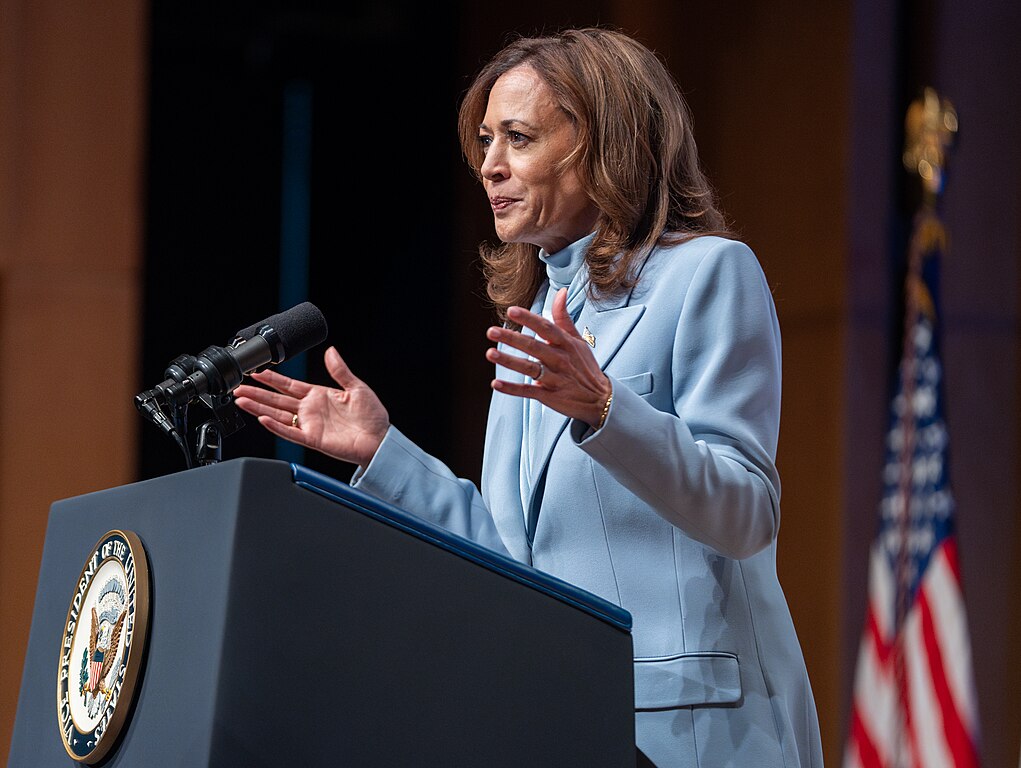
As grocery prices climb nearly 25% since Kamala Harris took office, the vice president faces growing scrutiny—not only for her response to inflation but now for her reaction to an unexpected challenge from former President Donald Trump. Trump, known for his frequent critiques of the current administration, has publicly called for Harris to take a cognitive test, a comment that has fueled further debate about her role in addressing America’s economic pressures.
Harris’s latest remarks on rising food costs have frustrated many Americans struggling to keep up with the price hikes on essentials. Harris acknowledged the price surge, stating that inflation is “not a partisan issue,” but her comments offered no specific solutions, leaving many wondering if the administration has a plan to address the issue. Shortly after, during a segment on CBS, Harris appeared unresponsive to Trump’s direct challenge for her to take a cognitive test—a response some described as a “blank stare.”
The exchange has since sparked a wave of criticism across social media, with some questioning both the administration’s approach to inflation and Harris’s handling of Trump’s pointed challenge. One Twitter user commented, “If inflation isn’t a partisan issue, then why hasn’t she or anyone else done anything to help us?” Meanwhile, others fixated on her reaction to Trump’s statement, describing her as “visibly unfazed” in the face of his direct confrontation.
The timing of the comments is significant, as inflation remains a primary concern for many Americans, particularly regarding basic necessities like food, fuel, and housing. Polls indicate that grocery prices, specifically, have hit American households harder than most other inflationary factors, and families are reportedly spending hundreds more each month than they were just a couple of years ago.
In addition to her approach to inflation, Harris’s apparent dismissal of Trump’s cognitive test demand has fueled further discussions, with political analysts offering differing perspectives on her response. Some suggest that Harris is wise to avoid engaging with Trump’s “provocative tactics,” while others believe she should use the opportunity to address public questions regarding her leadership. Political strategist Brian McKenna commented, “It’s a fine line between showing strength and risking appearing out of touch. People want solutions, not silence.”
Supporters of Harris argue that Trump’s cognitive test request is more of a distraction than a genuine concern, framing it as an attempt to shift the focus from economic policy to personal politics. One supporter noted, “Harris has been busy addressing key issues that affect everyday Americans. Trump’s focus on a test isn’t where her attention should be.”
Yet as food prices remain high and families across the country feel the strain, critics argue that Harris’s response, or lack thereof, fails to address the urgency of the matter. A recent online petition demanding the administration to provide relief on grocery prices has already garnered tens of thousands of signatures.
The question remains whether Harris will address the growing pressures surrounding both the inflation issue and Trump’s call for a cognitive test. For now, the public awaits her next move, as both inflation and political tension continue to mount.







