


 Xi Rest Breaks Cut Trump Summit Schedule, WSJ Reports
  Brazil Presidential Debate Canceled as Lula, Bolsonaro Skip Event
  Takaichi Pledges to Control Japan Bond Issuance
  Russia Strikes Kyiv Bridge as Ukraine Infrastructure Attacks Escalate
  US Caribbean Vessel Strike Kills Four
  Merz Pledges €1 Billion in Ukraine Aid During Kyiv Visit
  Flydubai FZ1073 Co-Pilot Accused of Terror Attack
  Ukraine Faces $56 Billion Budget Gap as War Costs Soar
  Paraguay Opposition Wins Key Mayor Races in Blow to Colorado Party
  Tsai Ing-wen to Visit US for Stanford Security Conference
  South Korea Warns Ukraine Over North Korean POW Dispute
  Nicaragua Withdraws From Central American Parliament
  Yemen Launches Major Offensive to Retake Houthi-Held Areas
  Trump Says Iran War Could End Soon After Midterms
  Bosnia Election Puts EU Bid and Foreign Influence in Focus


 Add as a preferred source on Google
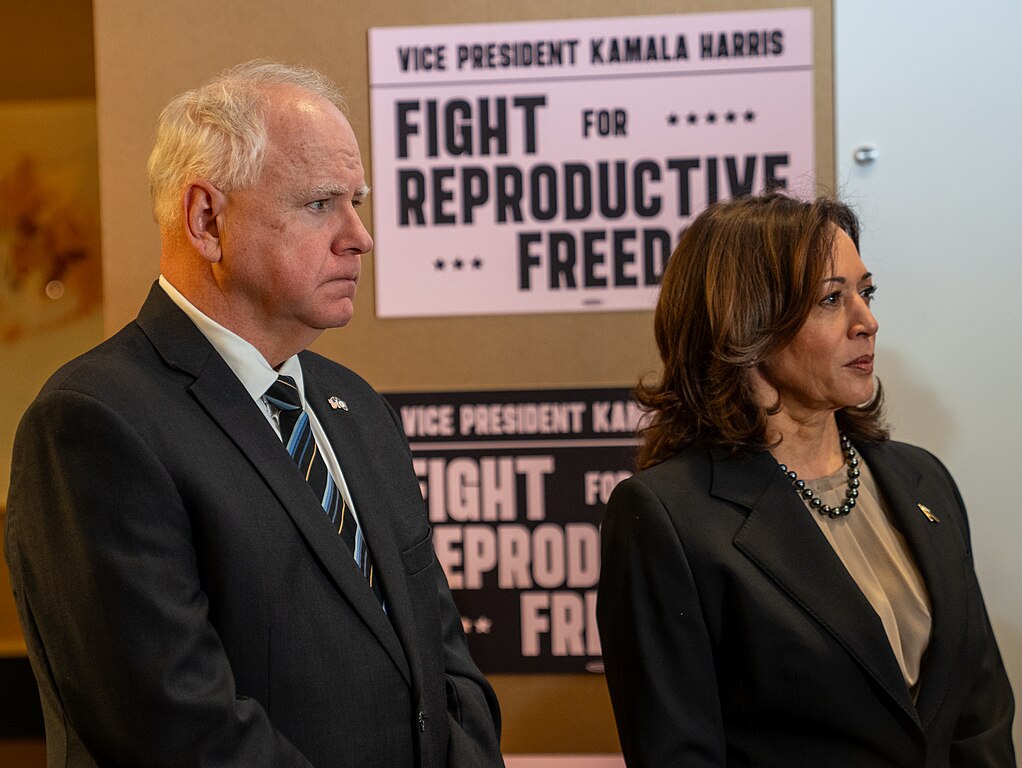
Minnesota Governor Tim Walz is facing public backlash after state funds were directed to a nonprofit that reportedly distributes “booty bumping” kits to drug users. The controversy erupted following revelations that the organization, backed by taxpayer dollars, includes kits designed for the administration of drugs rectally, a method commonly known as “booty bumping.” The nonprofit, which aims to reduce harm among drug users, is now at the center of heated debate, with critics questioning the ethical and fiscal implications of public money funding these initiatives.
The kits, which reportedly come with instructions advising users to “try to poop before” using the method to enhance drug absorption, have drawn sharp criticism from conservative groups and concerned citizens alike. Many have taken to social media to express outrage, deeming the program an inappropriate use of taxpayer money. The details of the kit’s contents and instructions, which aim to minimize harm for drug users, have only fueled the controversy.
State officials have defended the program, arguing that the harm reduction approach is a necessary measure to mitigate health risks for drug users. Advocates for harm reduction stress that such methods can reduce the transmission of diseases like HIV and hepatitis among drug-using populations. “We’re focused on public health and safety,” a spokesperson for the nonprofit told local media. “This funding supports programs that prioritize reducing harm, not encouraging drug use.”
Critics, however, see it differently. Republican lawmakers and watchdog groups have called for an audit of the funding and demand greater oversight of state-supported health initiatives. “This is not about harm reduction—it’s an outrageous use of public funds,” a local politician stated. “Programs that help drug users are important, but distributing drug paraphernalia with taxpayer dollars crosses a line.”
The controversy intensified after a photo of the “booty bumping” kits circulated on social media, igniting a firestorm of comments. Some commenters referred to the program as “very weird,” with others calling for Walz to redirect funding to more conventional drug rehabilitation and support services. “There are better ways to help those struggling with addiction,” said one Twitter user, whose post was shared widely among concerned Minnesota residents.
Governor Walz has yet to respond directly to the criticism, though sources within his administration have indicated that the funding allocation is part of a larger harm reduction effort aimed at addressing the state’s ongoing substance abuse crisis. For now, Walz’s office is maintaining its stance, emphasizing the importance of innovative approaches to combat the spread of infectious diseases within the drug-using community.
As public opinion remains divided, calls for transparency and accountability are mounting. The debate has highlighted an ongoing struggle over how best to address drug addiction, with harm reduction proponents advocating for progressive strategies and opponents urging a more conservative approach to public health funding.
As the debate over Minnesota’s harm reduction policies intensifies, Walz’s administration faces pressure to clarify its position on the controversial program and reassure taxpayers about the goals and effectiveness of such initiatives. Whether the governor’s stance will shift remains uncertain, but the controversy has cast a spotlight on the complexities of addiction support in Minnesota.







