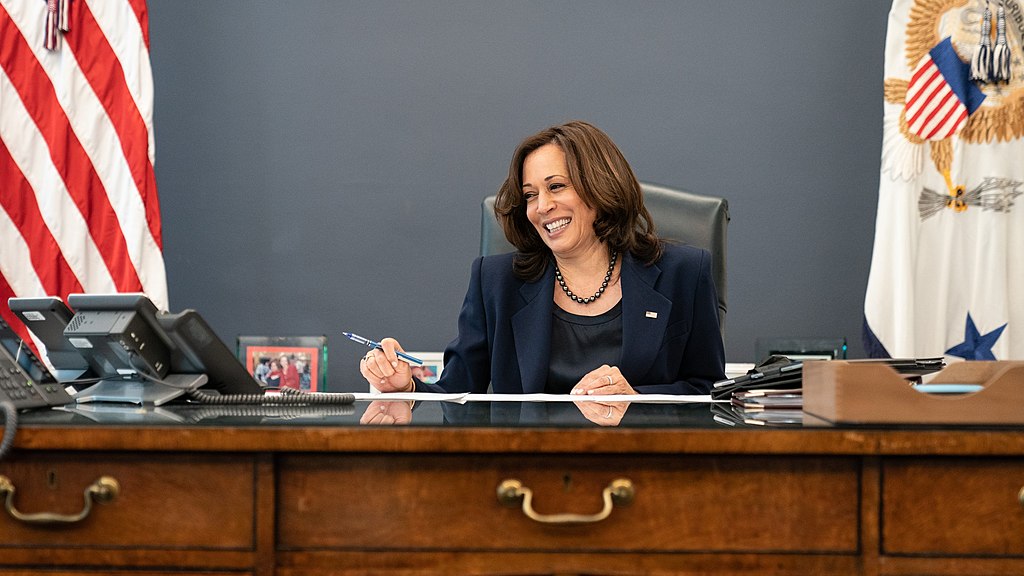
As the first presidential debate between Republican Donald Trump and Democrat Kamala Harris approaches on September 10, political strategies are intensifying. The debate, hosted by ABC News, was initially planned as a showdown between Trump and President Joe Biden. However, with Biden stepping down and endorsing Harris, the stage is now set for a highly anticipated face-off between Trump and Harris.
Recent reports suggest that Trump is reconsidering his participation in the debate, as the campaigns are at odds over the debate’s rules. According to sources familiar with the situation, a key sticking point is whether the candidates' microphones will be muted when it's not their turn to speak.
Politico Playbook reporters Eugene Daniels, Rachael Bade, and Ryan Lizza have detailed the ongoing negotiations. The Biden campaign, before his withdrawal, had secured an agreement with Trump's team for two debates, one on June 27 with CNN and the other on September 10 with ABC, under specific conditions. One crucial stipulation was that microphones would be muted except when a candidate was speaking, a condition both campaigns had initially agreed upon.
However, with Harris now in the running, her campaign is pushing for a return to the traditional format, where both candidates' microphones remain live throughout the debate. This move, according to political analysts, is a deliberate attempt by Harris's team to provoke Trump into losing his composure on stage.
Sources within Harris's campaign suggest that they believe Trump’s tendency to react impulsively could play to their advantage if his microphone remains unmuted. The hope is that an unfiltered Trump might make statements that could alienate undecided voters or reinforce negative perceptions.
Brian Fallon, a senior communications adviser for Harris’s campaign, confirmed their position, emphasizing that they have communicated their preference to ABC and other networks. Fallon indicated that the Harris team is confident in her ability to maintain decorum throughout the debate, while also expressing doubts about Trump’s capacity to do the same without the aid of a mute button.
The disagreement over debate rules highlights the contrasting strategies at play. Trump’s team appears to be advocating for the muted microphone rule, possibly out of concern that unrestrained exchanges could harm their candidate’s image. On the other hand, Harris’s camp is aiming to exploit what they perceive as a vulnerability in Trump’s debate style.
With the debate just days away, it remains uncertain whether an agreement will be reached or if Trump will decide to participate under the current conditions. The outcome of these negotiations could significantly influence the dynamics of the debate, setting the stage for either a controlled or chaotic exchange between the two candidates.