


 US-Led Coalition Targets Global Factory Overcapacity
  Marco Rubio Warns Russia-Ukraine War Could Spark Wider Conflict
  US Charges Maduro and Wife With Torture Conspiracy
  US Pressures Allies to Distance From Anti-Disinformation Conference
  US, Greece Launch New Counterterrorism Security Program
  Trump Rallies in Texas as Republicans Face Tight Midterm Races
  Venezuela’s Machado Calls for Elections by July 2027
  Saudi Arabia Probes Flydubai Cockpit Attack
  Hegseth Praises USS Abraham Lincoln Crew After Record Iran War Deployment
  Trump Says He Deserves 2026 Nobel Peace Prize Despite Uncertain Chances
  Saudi Airport Attacks Kill Three as Yemen Fighting Escalates
  US Suspends Microsoft, Adobe From Green Card Program
  Trump Weighs FBI Probe Into Nolan Wells’ Death
  Trump Buys Up to $25M in Meta Stock, Invests in SpaceX Debt
  US-Taiwan Ties Remain Strong as Taipei Urges Timely Arms Deliveries
  Tsai Warns of China’s Sustained Pressure on Taiwan
  EU Rejects Italy, Greece Calls for Fiscal Rule Flexibility


 Add as a preferred source on Google
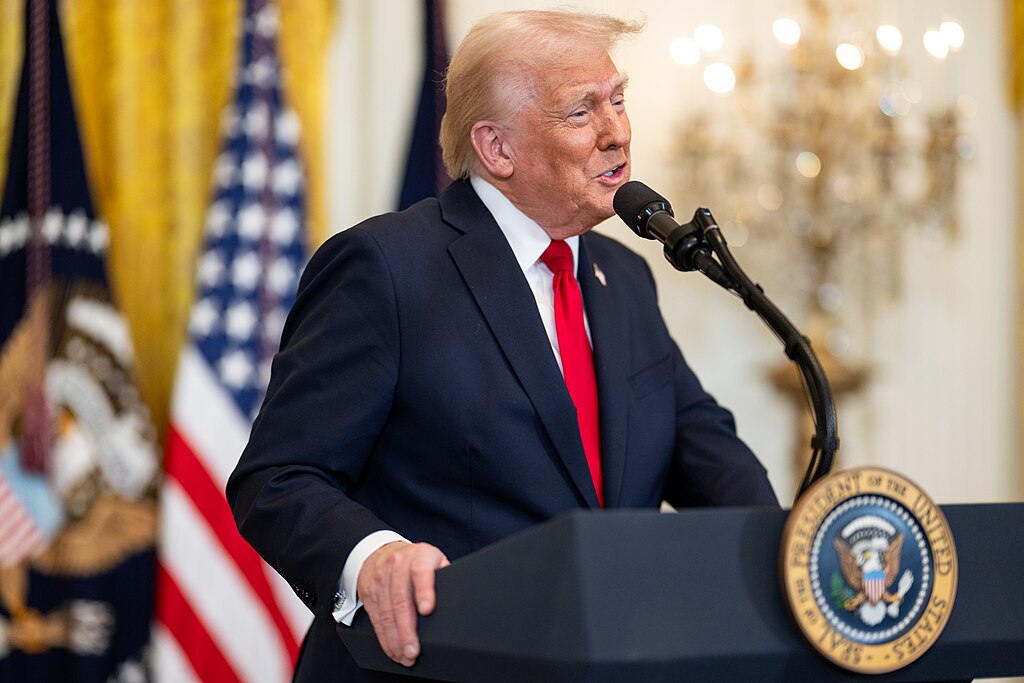
U.S. President Donald Trump announced that Kazakhstan will join the Abraham Accords, further expanding the network of normalized relations between Israel and Muslim-majority nations. The announcement followed Trump’s call with Israeli Prime Minister Benjamin Netanyahu and Kazakhstan’s President Kassym-Jomart Tokayev, as part of U.S. efforts to strengthen influence in Central Asia amid regional competition with Russia and China.
Trump revealed on Truth Social that an official signing ceremony will be held soon, adding that “many more countries” are seeking to join the accords—a hallmark of his first term’s Middle East diplomacy. Although Kazakhstan already maintains full diplomatic and economic relations with Israel, its inclusion in the Abraham Accords is expected to be largely symbolic, reaffirming support for peace and cooperation in the region.
At a business forum in Florida, U.S. special envoy Steve Witkoff hinted at returning to Washington for a major announcement, later confirmed by reports from Axios citing Kazakhstan as the next member. A source familiar with the matter said Washington hopes this move will revitalize the Abraham Accords, whose expansion had slowed amid the ongoing Gaza conflict.
The Abraham Accords, brokered by Trump in 2020, first saw the United Arab Emirates and Bahrain normalize ties with Israel, followed by Morocco. Trump has since expressed optimism that Saudi Arabia could soon join, though Riyadh insists on progress toward a Palestinian state before committing. Saudi Crown Prince Mohammed bin Salmanis expected to visit the White House on November 18, potentially discussing the accords’ future.
Analysts suggest that Kazakhstan’s participation, alongside potential entrants like Azerbaijan and Uzbekistan, could mark a new phase of U.S.-led diplomacy in the Middle East and Central Asia, balancing regional interests while advancing economic and security cooperation.







