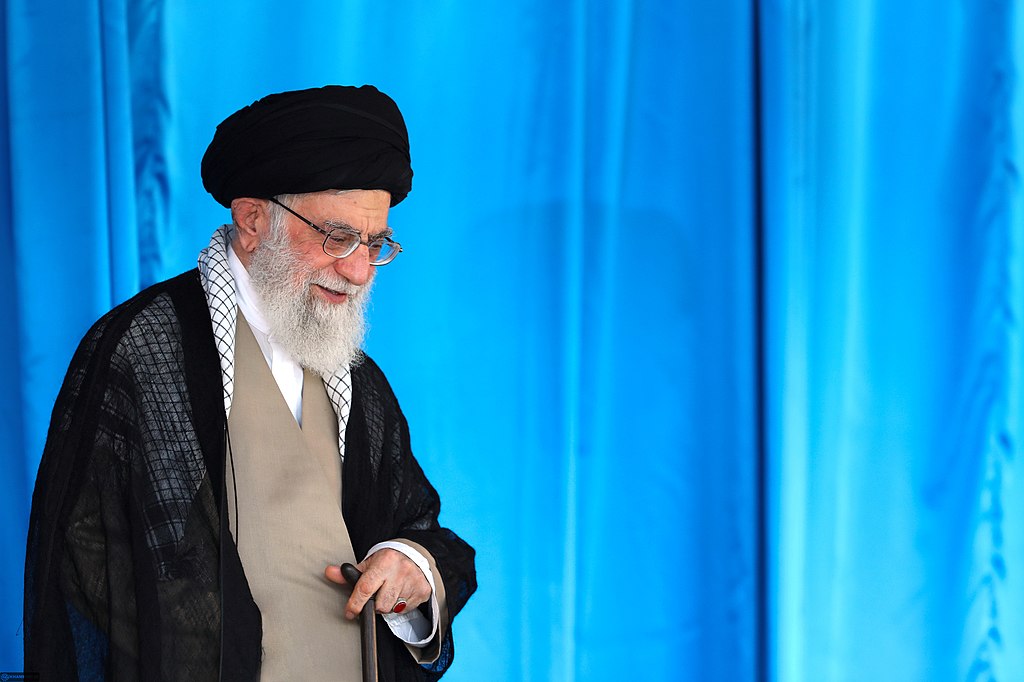
Iran’s Supreme Leader Ayatollah Ali Khamenei dismissed the latest U.S. nuclear proposal on Wednesday, stating it undermines the country’s independence and contradicts the Islamic Republic’s core values. In a televised address, Khamenei said, “The U.S. nuclear proposal contradicts our nation’s belief in self-reliance and the principle of ‘We Can.’” His remarks come amid renewed diplomatic efforts to revive the 2015 nuclear agreement, formally known as the Joint Comprehensive Plan of Action (JCPOA).
The U.S. and its allies have reportedly offered eased sanctions in exchange for Iran scaling back its nuclear enrichment activities. However, Khamenei emphasized that any deal that weakens Iran’s autonomy or projects dependency on foreign powers is unacceptable. His comments reflect growing resistance within Iran’s leadership to compromise on national defense and sovereignty.
Khamenei’s rejection signals a potential roadblock for negotiators hoping to de-escalate tensions and avoid further proliferation in the region. Western officials have warned that time is running out, as Iran continues to expand its uranium enrichment program beyond the JCPOA limits. The Supreme Leader’s firm stance suggests that Tehran is prioritizing ideological principles over economic incentives tied to sanctions relief.
This latest development complicates U.S.-Iran relations, which have remained strained since Washington’s 2018 withdrawal from the nuclear accord under former President Donald Trump. While current efforts aim to restore the deal, Khamenei’s rhetoric casts doubt on whether a mutually acceptable compromise can be reached.
As talks stall and regional tensions rise, Khamenei’s remarks are likely to harden Iran’s negotiating position and reinforce its long-standing distrust of American intentions. For now, prospects for reviving the nuclear deal appear bleak, with Tehran asserting that national pride and sovereignty must not be compromised.