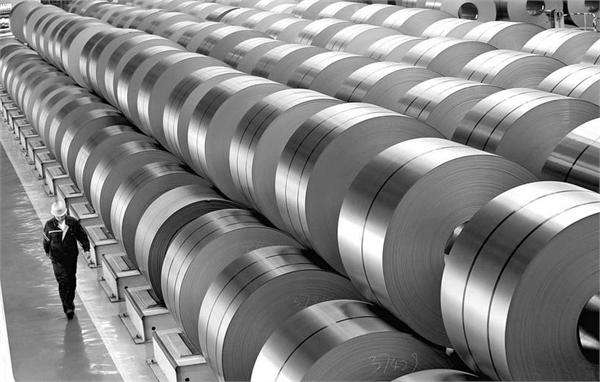
South Korea is assessing the potential impact on its steel products of Europe's toughened carbon restrictions to be implemented in 2023 to come up with measures to cope with the policy.
The carbon border adjustment mechanism (CBAM) is expected to weigh down the country's steel products exports of steel products, according to the trade ministry
Under the CBAM, European importers of steel and aluminum, electricity, cement, and fertilizer must purchase "carbon certificates" commensurate on the amount of carbon emitted on producing the products.
A trade ministry official insists that the policy should follow the World Trade Organization guidelines and should not work as a new trade barrier.
The price competitiveness of South Korea's steel and aluminum products in the European market may suffer due to the carbon emissions produced.
The Korea Institute for International Economic Policy raised the probability that European importers would pass on the additional burdens on South Korean exporters.
Last month, the Federation of Korean Industries requested the EU to exclude South Korea from the upcoming measure, pointing out that it may hinder free trade.
A trade ministry official also noted that local steel manufacturers expressed concerns about the divergent opinions of EU members on carbon restrictions.
Following a transition period of three years, the restrictions would be fully implemented in 2026.