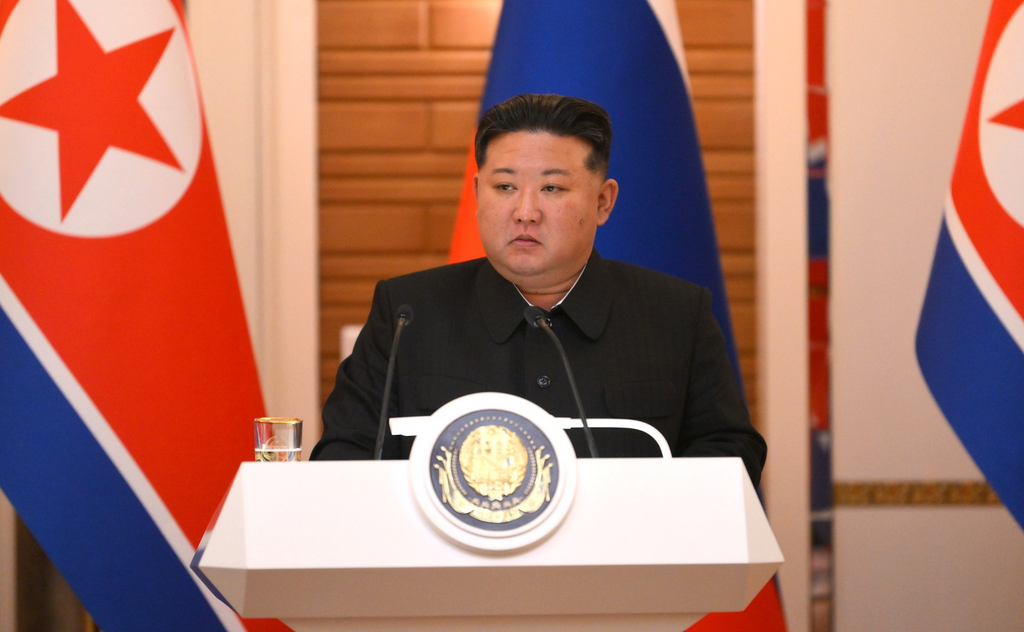
North Korean leader Kim Jong Un has begun reviewing the country’s progress over the past five years during the Ninth Congress of the ruling Workers’ Party, according to state media outlet KCNA. The high-profile political gathering, which opened on Thursday, is North Korea’s largest and most significant party meeting held every five years. The congress is expected to shape national policy, outline economic and military strategies, and potentially introduce leadership changes beneath Supreme Leader Kim Jong Un.
During the second day of the party congress, Kim highlighted what officials described as a “great transformation” achieved under his leadership. KCNA reported that the ruling Workers’ Party cited “remarkable successes” across key sectors including politics, the economy, national defense, diplomacy, and culture. These claims come as North Korea continues to face international sanctions and economic challenges, making the congress a closely watched event among global observers.
The party’s Central Committee reportedly began its review by identifying shortcomings before emphasizing achievements, although specific weaknesses were not disclosed. Analysts note that such admissions often signal potential policy adjustments or internal restructuring within North Korea’s political framework.
KCNA confirmed that approximately 5,000 Workers’ Party members are attending the congress in Pyongyang. While no major foreign dignitaries were reported to be present, congratulatory messages were received from Russia, China, Vietnam, and Laos, highlighting North Korea’s continued diplomatic ties with key allies.
Observers expect North Korea to showcase its military capabilities during a large-scale parade linked to the congress. Weapons development goals and defense advancements are also likely to be emphasized, reinforcing Kim Jong Un’s focus on strengthening national security.
As the Ninth Workers’ Party Congress continues, the international community will closely monitor announcements regarding economic policy, nuclear strategy, and leadership shifts that could influence regional stability and global geopolitics.