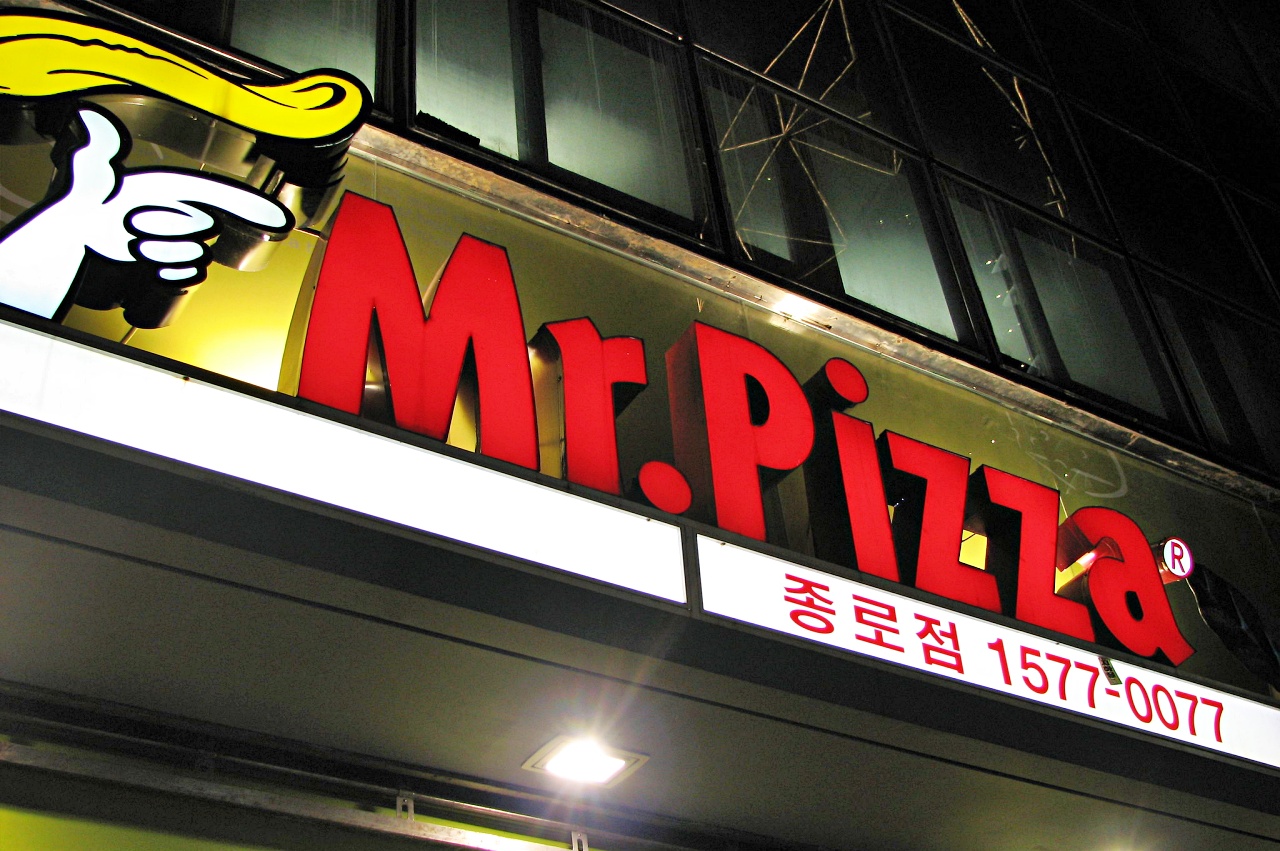
Mr. Pizza, a popular pizza franchise in South Korea, was slapped with a fine worth KRW400 million or $302 million. The country’s Fair Trade Commission (FTC) imposed the penalty and explained on Tuesday, Aug. 29, that it made the decision due to the brand’s business interference with its competitors in the market.
The Korean anti-trust regulator said Mr. Pizza is guilty of obstructing the operations of its rivals. According to Yonhap News Agency, the disciplinary action taken by the FTC against the pizza restaurant is in response to its interference with the operations of Pizza Union Coop. The agency said the business interruption being referred to includes hampering the supply of ingredients.
The commission said it is clear that Mr.Pizza established its directly controlled stores with the intention of standing in the way of Pizza Union Coop’s operations. The FTC refers to the company’s move to open shops only in busy locations, such as in Gangnam.
While it appears that the FTC sided with the Pizza Union Coop, Mr. Pizza also filed a lawsuit against the creator of the cooperative. The pizza franchise lodged a defamation case and claimed that the coop exerted influence on suppliers to stop shipments to some of the newly launched firms.
Korea’s EDaily reported that the Fair Trade Commission imposed a fine on Mr. Pizza for violation of the country’s Monopoly Regulation and Fair Trade Act. An official of the regulatory agency stated, "Mr. Pizza, the second-largest operator in the pizza franchise market, used unfair means of competition with the intention of maintaining its position against the Pizza Union, which was inferior in terms of sales, employees, and number of stores. As a result, the Pizza Union was hindered from developing recipes, securing food material suppliers, and operating stores, and also had difficulties recruiting franchisees.”
Photo by: Ian Muttoo/Flickr (CC BY-SA 2.0)