


 Trump Says Iran War Could End Soon After Midterms
  Japan Protests to US After Marine Arrested in Okinawa Murder Case
  Merz Pledges €1 Billion in Ukraine Aid During Kyiv Visit
  Tsai Ing-wen to Visit US for Stanford Security Conference
  TRUMP Memecoin Launches New Dinner Contest
  Israel Tightens Pilot Security After Flydubai Incident
  Iran Faces Rising Pressure as U.S. Builds Military Presence
  Iran Keeps Strait of Hormuz Closed as War Talks Stall
  Israeli Settler Attack in West Bank Kills Palestinian
  G20 Divided Over US Push to Curb Industrial Overcapacity
  UK Warned Over Growing Reliance on US Cloud Providers
  Trump Heads to Ohio to Boost Husted in Tight Senate Race
  Xi Rest Breaks Cut Trump Summit Schedule, WSJ Reports
  US Waives Egypt Military Aid Conditions Over Iran War Role
  Trump Taps Dennis Rodman as Kim Jong Un Outreach Continues


 Add as a preferred source on Google
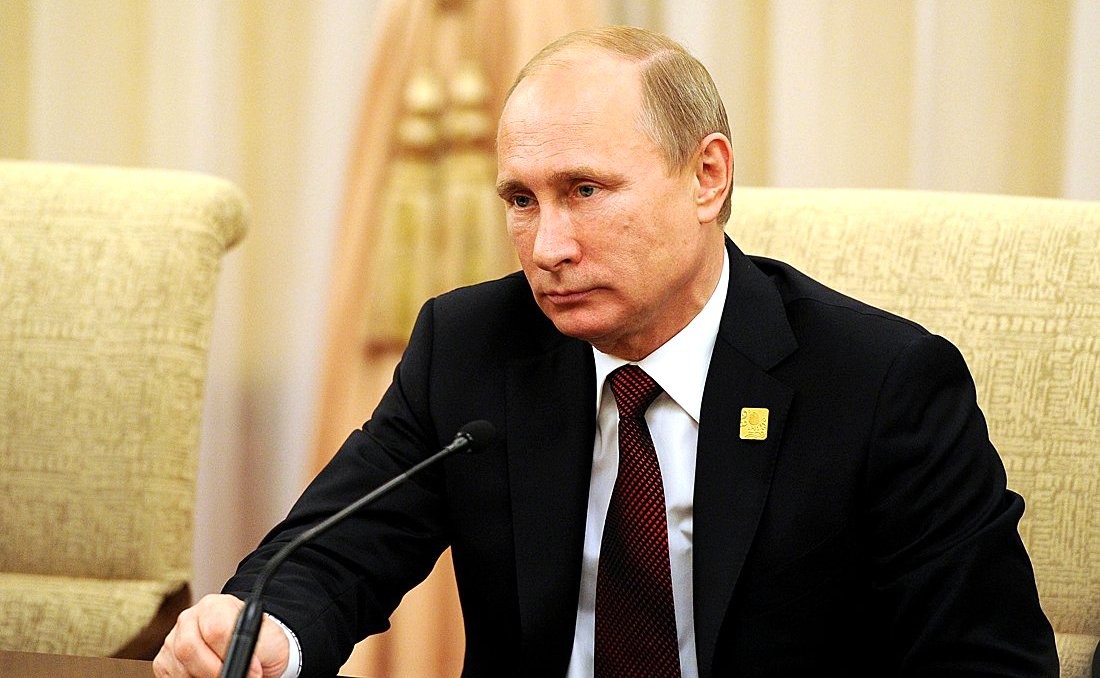
In a rare and striking move, the Kremlin announced that Russian President Vladimir Putin will not be extending congratulations to Donald Trump on his recent victory in the U.S. presidential election. Kremlin spokesperson Dmitry Peskov confirmed on Wednesday that Putin “has no plans” to acknowledge Trump’s anticipated win, a statement that has quickly stirred international speculation and added a layer of tension to the already complex relationship between Moscow and Washington.
Peskov’s brief statement to Russian media provided no further details on the Kremlin’s stance but has nonetheless sparked theories on both sides of the Atlantic. “President Putin has no plans to congratulate President-elect Trump at this time,” Peskov said, stopping short of explaining the unprecedented silence from the Russian leader. For many analysts, this lack of congratulations signals a potential shift in how Putin intends to approach Trump’s second term, which is anticipated to reshape the U.S.-Russia dynamic.
This decision has raised eyebrows, particularly given the history between Trump and Putin. During Trump’s first term, the two leaders often exchanged warm words and gestures, even as their countries grappled with deep-rooted geopolitical conflicts. Putin’s decision not to acknowledge Trump’s victory this time has sparked speculation that the Kremlin might be distancing itself from Trump amid ongoing scrutiny over Russia’s role in U.S. politics.
The absence of congratulations from Putin comes as a surprise to many international observers who recall the Kremlin’s public well-wishes following Trump’s first electoral win in 2016. At the time, Putin congratulated Trump almost immediately, a gesture that drew significant attention given the allegations of Russian interference in that election. This year, however, the Kremlin’s silence is prompting questions about whether Moscow is recalibrating its approach to Washington or signaling a potential cooling of ties.
Several political experts are viewing this silence as a strategic move by Moscow. Some believe the Kremlin is waiting for Trump’s victory to be fully certified, while others think this decision reflects caution on Putin’s part, perhaps influenced by Trump’s campaign promises to adopt a harder stance on Russia’s activities, particularly in Ukraine. Trump repeatedly pledged during his campaign to “end the Ukraine conflict” quickly, a statement that was closely monitored in Moscow due to its implications for Russian foreign policy.
Putin’s restraint is already prompting reactions from U.S. and European analysts. Some suggest this move indicates Russia’s intent to distance itself from Trump’s administration in light of past controversies and accusations. Others believe this silence is a carefully calculated decision by the Kremlin to minimize any new waves of scrutiny or allegations of influence over U.S. politics.
Although the Kremlin has not ruled out the possibility of future statements, Peskov’s brief remarks have intensified speculation about Russia’s strategic intentions. With Trump’s policies toward Moscow likely to become a focal point in international discussions, Putin’s decision to hold back may represent a signal of caution rather than indifference.
As Trump prepares for his return to the White House, all eyes remain on how his administration will handle relations with Moscow. For now, the lack of diplomatic gestures from Putin has set an unusually tense tone, adding uncertainty to the future of Russian-U.S. ties and underscoring the complexities of this high-stakes relationship.







