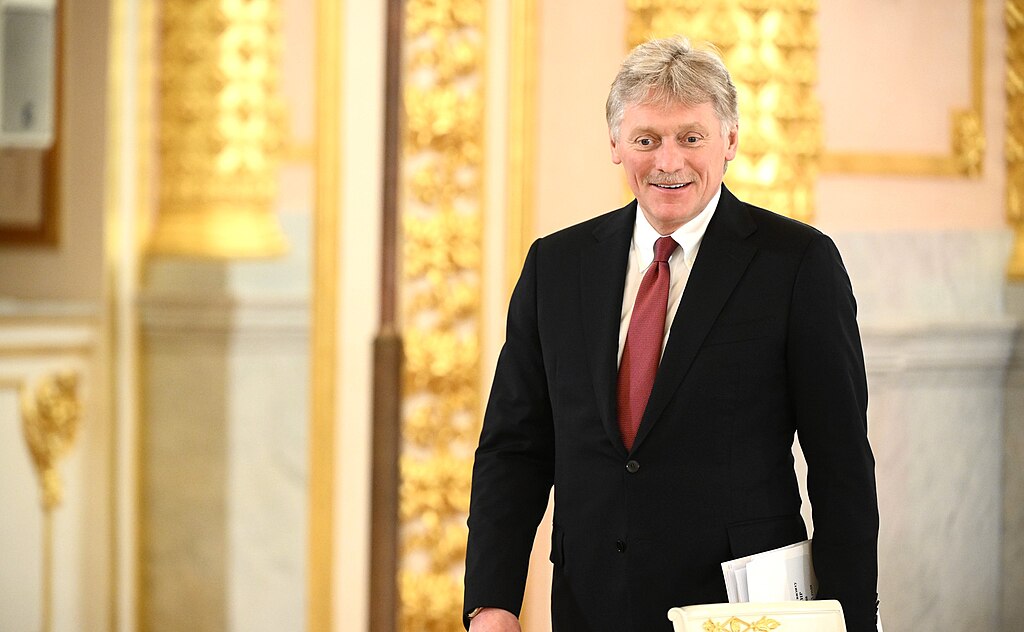
Russia has played down expectations surrounding recent discussions with the United States on the Ukraine conflict, emphasizing that the talks should not be interpreted as a major diplomatic breakthrough. Kremlin spokesman Dmitry Peskov stated that the meetings held in Miami between December 20 and 21 were part of a routine diplomatic effort rather than a turning point in resolving the crisis.
Speaking to the Russian newspaper Izvestia on Tuesday, Peskov described the negotiations as a “working process,” signaling that Moscow does not view the dialogue as a decisive step toward ending the conflict in Ukraine. His remarks underscore the Kremlin’s cautious stance amid ongoing international efforts to explore pathways to peace between Russia and Ukraine.
The Kremlin also stressed the importance of understanding how U.S. coordination with Ukraine and European partners aligns with previous high-level engagements between Moscow and Washington. According to the Russian state news agency TASS, Russian officials are seeking clarity on whether current U.S. peace initiatives reflect the spirit of an earlier summit between Russian President Vladimir Putin and U.S. President Donald Trump, which reportedly took place in Alaska. This reference suggests that Moscow continues to frame present-day diplomacy within the context of past bilateral understandings.
In addition, Russian news agency RIA reported that the Kremlin characterized recent contacts involving Russian envoy Kirill Dmitriev and U.S. figures such as Steve Witkoff and Jared Kushner as part of the same ongoing diplomatic process. These interactions, according to Moscow, should be seen as routine engagements rather than signals of a major policy shift or imminent agreement.
The statements from the Kremlin highlight Russia’s consistent messaging that negotiations over the Ukraine war remain complex and incremental. While talks with the United States continue, Moscow appears intent on managing expectations and avoiding speculation about rapid progress. As the Ukraine conflict remains a central issue in global geopolitics, analysts note that such cautious language reflects broader uncertainty over whether diplomatic efforts can bridge deep divisions between Russia, the United States, Ukraine, and Europe.
Overall, the Kremlin’s comments reinforce the view that dialogue is ongoing but fragile, with no immediate breakthrough in sight, despite continued U.S.-Russia contacts and international attention on potential peace efforts.