The Kremlin signaled that President Donald Trump’s new “Golden Dome” missile defense initiative could revive U.S.-Russia dialogue on nuclear arms control. Trump recently unveiled a $175 billion plan for a nationwide missile shield inspired by Israel’s Iron Dome, aimed at countering threats from geopolitical rivals China and Russia.
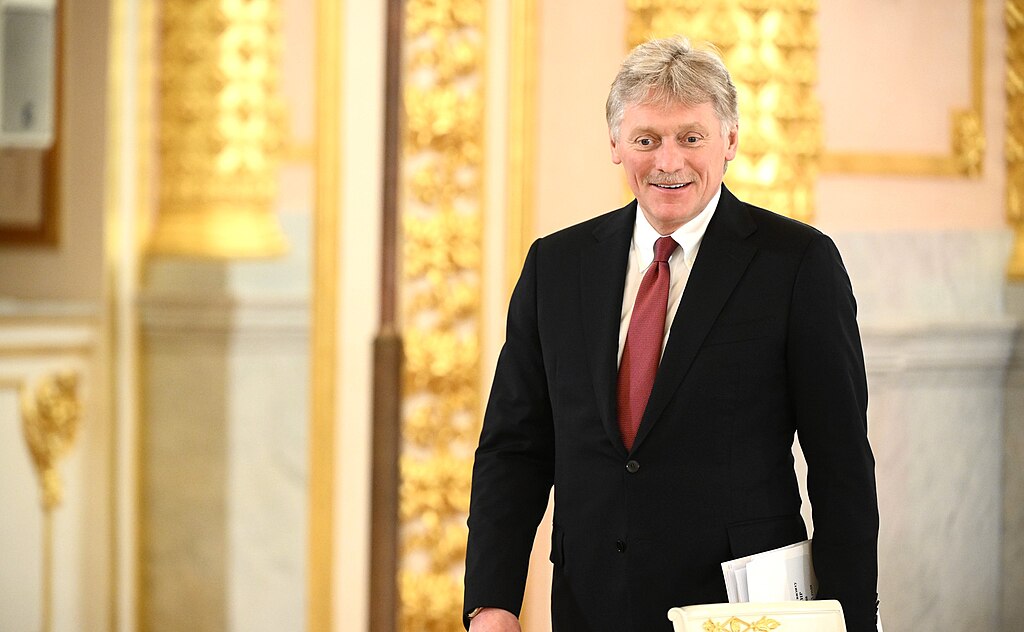
Kremlin spokesperson Dmitry Peskov stated that while the defense project is a sovereign decision by the United States, it underscores the urgent need to resume discussions on strategic stability. Peskov noted that detailed information about the "Golden Dome" remains unclear, but such developments highlight the importance of restoring communication between the world’s leading nuclear powers.
The collapse of key arms control agreements—such as the 1972 Anti-Ballistic Missile (ABM) Treaty and the 1987 Intermediate-Range Nuclear Forces (INF) Treaty—has contributed to growing instability. The U.S. exited the ABM treaty in 2002 and formally withdrew from the INF treaty in 2019, citing Russian violations, which Moscow denied.
Peskov emphasized that with the legal frameworks now dismantled or expired, rebuilding a foundation for arms control is essential—not only for the safety of Russia and the United States, but for global security. He reiterated the importance of restoring strategic treaties to manage the growing risks associated with the nuclear arms race.
As the U.S. advances its missile defense capabilities, including this large-scale “Golden Dome” project, renewed diplomatic engagement between Washington and Moscow may become increasingly necessary to preserve global stability and reduce the threat of nuclear conflict.