


 Epic Games Delays Disney Shooter, Shifts to AI-First Development
  Amazon in Talks to Acquire AI Startup Decart for $7 Billion
  Apple Names Steve Smith M&A Chief in Leadership Shakeup
  Zcash Plans Quantum-Resistant Security Upgrade for January
  Hong Kong’s Second Solana ETF Launches With Lower Fees
  Apple Supplier Luxshare Faces US Patent Probe, Sees Limited Impact
  TSMC Profit Set to Surge 65% as AI Chip Demand Drives Record Earnings
  Elon Musk Eyes Semiconductor Manufacturing Expansion With $15 Billion Terrafab Project
  Amazon Cuts More Jobs as AI Investment Expands
  Syndax Stock Drops 15% After Axatilimab Trial Failure
  Trump Buys Up to $25M in Meta Stock, Invests in SpaceX Debt
  Albertsons Seeks $9.3 Billion From Kroger Over Failed Merger
  Apple Supplier Luxshare Sees Limited Impact From US Patent Probe
  Meta Launches Muse Wonder AI Models, Shares Rise 3.7%
  Bumble Shares Surge 50% on $1 Billion Buyout Talks
  Tencent Shares Fall as $5 Billion AI Bond Sale Weighed


 Add as a preferred source on Google
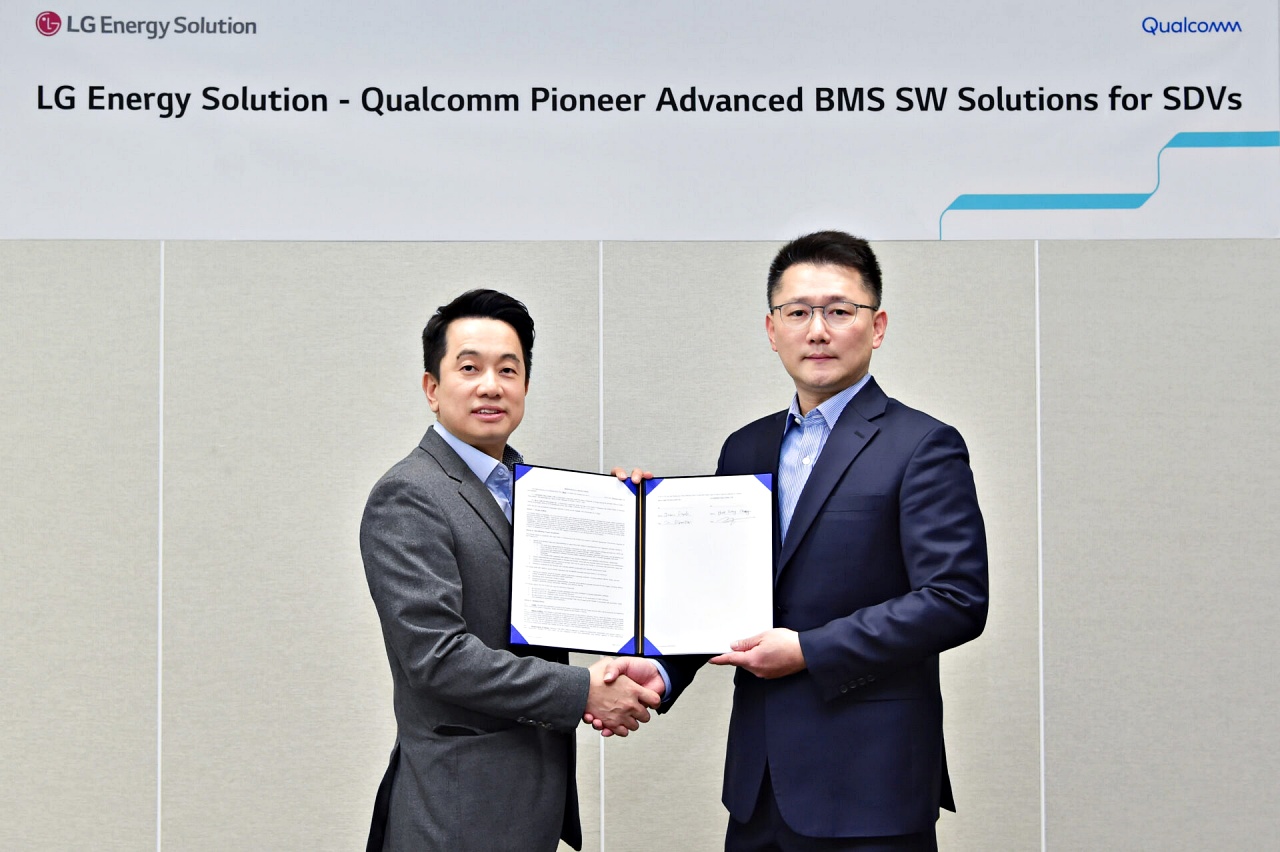
LG Energy Solution Ltd. and Qualcomm Inc. have teamed up to develop software for advanced battery management systems (BMS). They will collaborate on this project to produce a solution that will help manage electric vehicle batteries' performance and life span in the most favorable way.
LG Energy Solution and the San Diego, California-based chipmaker revealed their latest collaboration for BMS on Sunday, March 10. The South Korean battery manufacturer said it will fuse its BMS diagnostic software with some of the features of Qualcomm's Snapdragon Digital Chassis to develop the newest BMS solution.
Battery Management System: What It Is For
BMS is a very important system in EV batteries as it uses battery data like voltage, temperature, and current to help the battery perform at its best. It can also identify any problems and respond accordingly in advance. It can be said that this system is becoming increasingly significant as more people use EVs today.
As per Pulse News, Qualcomm’s Snapdragon Digital Chassis will be helpful in the project because it is a set of cloud-connected platforms for connectivity, telematics, and driver assistance. Likewise, to build the BMS diagnostic solution that can support hardware and software, LGES will apply Qualcomm’s digital chassis technology, which brings together smart features that can be applied across multiple vehicles.
Powerful Performance from Upgraded BMS
Compared to traditional battery management systems, LG Energy and Qualcomm said the new product that will result from their collaboration will offer more than 80 times the computing power to manage more highly developed battery diagnostic algorithms. Moreover, the new product will also be able to function without the need to communicate with servers.
“Our work with Qualcomm Technologies intends to create differentiated customer value by enabling real-time battery health diagnosis as well as the development of battery management solutions that are directly linked to driving information,” LG Energy Solution’s vice president of business development group, Chung Hyuk Sung, said in a press release. “The importance of safe and healthy battery management is increasing with the growth of the electric vehicle market.”
Chung added, “We expect to be able to show customers overwhelming and differentiated customer value through our cooperation with Qualcomm Technologies.”







