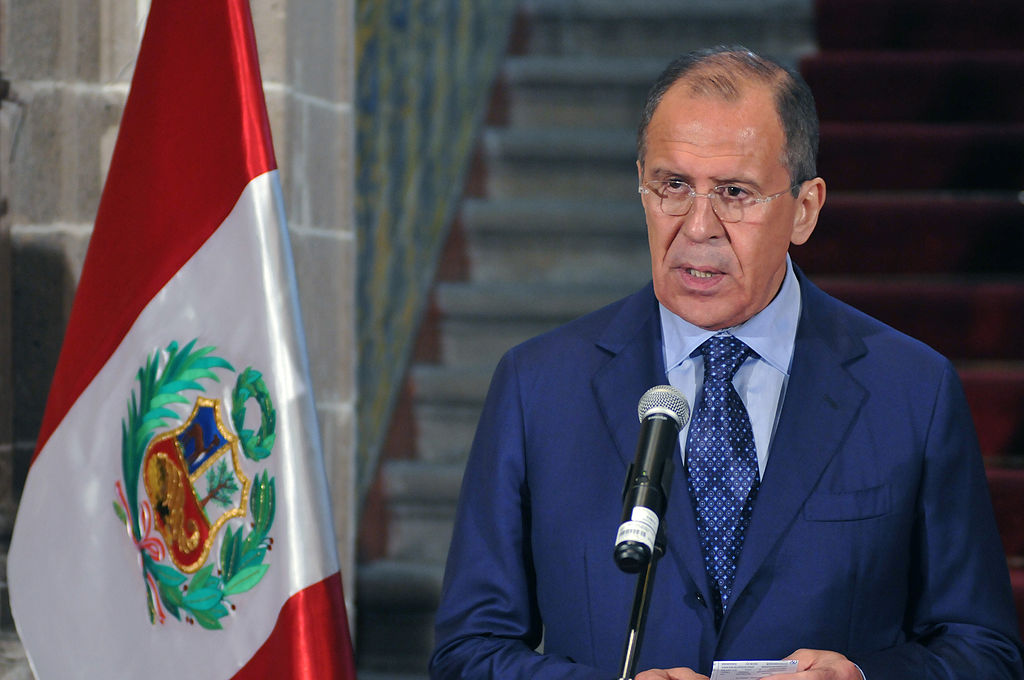
Russian Foreign Minister Sergei Lavrov described U.S. President Donald Trump’s Gaza peace proposal as the most viable plan currently available, despite its broad and general nature. Speaking in an interview with Russia Today, published on the Foreign Ministry’s website, Lavrov said Trump’s plan — which includes “20 points” mentioning “statehood” — remains vague but realistic.
Lavrov noted that while the plan focuses on the Gaza Strip, it lacks clear references to the West Bank. “We are realists,” he stated. “We understand this is the best that there is now ‘on the table.’” He emphasized that the proposal stands out because it could gain moderate acceptance from Arab states while avoiding outright rejection from Israel. Lavrov characterized Israeli Prime Minister Benjamin Netanyahu’s reaction as one of “non-rejection,” signaling cautious approval.
The Kremlin has expressed support for Trump’s initiative, hoping it will lead to progress in resolving the long-standing Middle East conflict. The plan envisions an international body, led by Trump and joined by former British Prime Minister Tony Blair, overseeing Gaza’s post-war administration.
Arab nations that have backed the plan stress that it must pave the way for an independent Palestinian state — an idea Netanyahu continues to reject. Moscow, meanwhile, has consistently maintained that a two-state solution is the only sustainable path to peace.
Russia has frequently criticized Israel’s military actions in Gaza over the past two years while strengthening ties with Iran, Israel’s regional rival. Lavrov’s remarks underline Moscow’s pragmatic stance — supporting any peace framework that can be accepted by both Arab countries and Israel, even if imperfect.