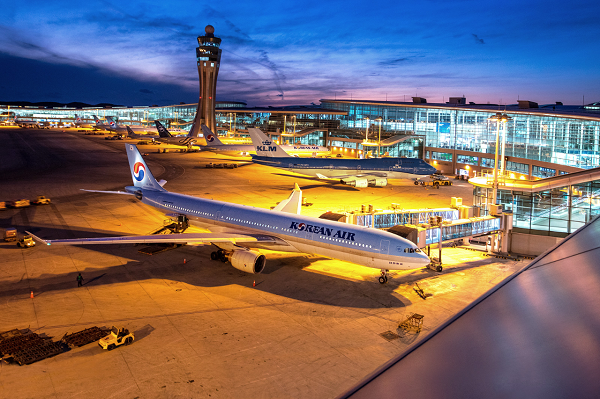
Korean Air will remain to be in a financially precarious position despite the 1.2 trillion won liquidity support from the South Korean government.
This is due to the 1 trillion won of debt it has to pay within the year out of its total borrowings of 3 trillion won.
It also needs to pay a lease fee of 1.7 trillion won this year, on top of the annual fixed costs of 400 billion won to 500 billion won that it is hard-pressed to cover.
Among the liquidity support it is scheduled to receive from Korea Development Bank (KDB) and the Export-Import Bank of Korea are 200 billion won in operating funds.
The banks will also purchase 700 billion won worth of the airline's asset-backed securities, and 300 billion won worth of its permanent bonds.
Additionally, KDB and the Export-Import Bank will also help the airline refund 200 billion won of maturing corporate bonds worth and acquire 200 billion won of corporate bonds worth, which matures in the second half of 2020.
However, industry analysts say that this support is not enough to help Korean Air last for more than three months.
The good news is that if the coronavirus crisis subsides in the second half, the airline will have an excellent chance to escape from its liquidity crisis.

Oil Prices Climb in Asian Trade as Venezuela Sanctions and Middle East Tensions Fuel Risk Premium
EU Approves €90 Billion Ukraine Aid as Frozen Russian Asset Plan Stalls
Japan Signals Possible Yen Intervention as Currency Weakens Despite BOJ Rate Hike
South Korea Central Bank Warns of Rising Financial Stability Risks Amid Won Volatility
Precious Metals Rally as Silver and Platinum Outperform on Rate Cut Bets
Global Markets Rise as Tech Stocks Lead, Yen Strengthens, and Commodities Hit Record Highs
Yen Slides as BOJ Caution Undercuts Rate Hike Impact
Why U.S. Coffee Prices Are Staying High Despite Trump’s Tariff Rollbacks
RBA Signals Possible Interest Rate Hike in 2026 as Inflation Pressures Persist
Silver Prices Hit Record High as Geopolitical Tensions Fuel Safe-Haven Demand
Oil Prices Ease in Asia as Geopolitical Risks Clash With Weak Demand Outlook
Kevin Hassett Says Inflation Is Below Target, Backs Trump’s Call for Rate Cuts
Global Demand for Yuan Loans and Bonds Surges as China Pushes Currency Internationalization
German Exports to the U.S. Decline Sharply as Tariffs Reshape Trade in 2025
Trump Defends Economic Record in North Carolina as Midterm Election Pressure Mounts
U.S. Stock Futures Rise Ahead of Holiday-Shortened Week as AI Optimism Lifts Tech 


