


 US Senate Midterms 2026: Key Races That Could Flip Control
  Zelenskiy Says Trump’s Support for Russia Is ‘Painful’
  Trump Announces Massive Oil and Mineral Exploration Plans in Greenland
  Trump Warns Houthis Over Attacks, Considers Erdogan Intervention
  China Warns Taiwan Over South China Sea Coast Guard Incident
  Kim Jong Un Showcases ICBM Ahead of Possible Trump Meeting
  US Recalls Nicaragua Envoy After Ambassador Rejection
  US Condemns China Sanctions on Taiwan Allies Belize and Paraguay
  US Supreme Court Denies Release of Anti-ICE Activist Kyle Wagner
  US Justice Department Drops Prosecution of Ex-CIA Analyst Sue Mi Terry
  Zelenskiy Says Ukraine Received No Warning Before Russian Missile Attack
  Netanyahu Rejects Preemptive Iran Strike Ahead of Israel Election
  Trump Confirms US Intelligence Sharing With Ukraine Amid Russian Strikes
  Jordan Bardella Antisemitism Allegations Threaten Le Pen’s Campaign
  Most Americans Oppose Election Betting on Prediction Markets, Poll Finds
  China Resumes US Soybean Purchases After Trump-Xi Summit
  MI5 Warns of Rising Iran, Russia Threats and AI Bioweapon Risks


 Add as a preferred source on Google
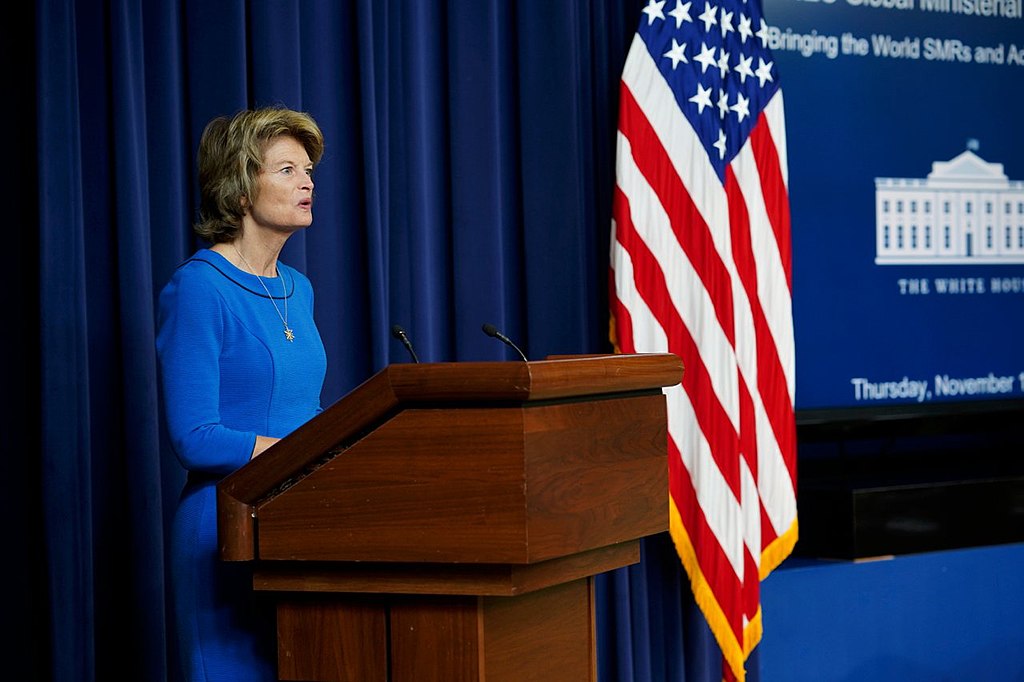
In a decisive move that underscores ongoing political divisions, Sen. Lisa Murkowski (R-Alaska) announced she will oppose confirming any of former President Donald Trump’s nominees unless they undergo thorough vetting by the FBI. The statement has sparked fierce reactions on both sides of the political aisle, with critics accusing Murkowski of obstructionism and supporters praising her commitment to accountability.
Murkowski, known for her independent streak in the Senate, emphasized the necessity of upholding institutional norms, particularly in light of Trump’s potential return to power. Her comments reflect a growing concern among some lawmakers regarding transparency and ethical governance, even as Trump remains the frontrunner for the Republican presidential nomination.
A Push for Due Diligence
The senator’s declaration reportedly comes in response to concerns over the integrity of Trump-era appointments and her belief that the confirmation process must prioritize national security and ethical considerations. "This isn’t about partisanship," she reportedly told close allies, "it’s about ensuring we don’t compromise the standards of public office."
Murkowski’s stance represents a continuation of her role as a moderate Republican willing to break ranks with her party. In recent years, she has often clashed with Trump, particularly after voting to convict him during his second impeachment trial. While her critics accuse her of political grandstanding, Murkowski’s defenders argue her insistence on FBI vetting aligns with constitutional responsibilities.
Polarized Reactions in Congress
The announcement has drawn sharp criticism from Trump allies, who view Murkowski’s decision as an unnecessary roadblock. “This is just another attempt to undermine President Trump’s leadership,” one GOP strategist said anonymously. However, Democrats have expressed tentative support, with some calling her stance a “necessary safeguard” against potential abuses of power.
Murkowski’s influence could prove pivotal in a closely divided Senate, especially if Trump returns to the White House. Her insistence on FBI vetting raises questions about how the confirmation process may unfold, potentially delaying or derailing Trump’s ability to fill key positions in his administration.
Netizens React to Murkowski’s Stance
Murkowski’s announcement has ignited a fiery debate on social media, with users offering a wide range of perspectives:
- @AlaskaFirst78: “Finally, a Republican with a backbone. Vetting nominees is common sense, not partisanship!”
- @TrumpForever2024: “Murkowski is a RINO who’s been working against Trump from the start. Alaskans deserve better!”
- @JusticeMattersUSA: “Murkowski’s move is bold and necessary. Accountability should never take a backseat to political loyalty.”
- @RedWaveRising: “This is why Republicans lose. Murkowski is siding with the Democrats yet again.”
- @IndieVoter55: “The Senate should focus on proper vetting for every nominee, no matter who the president is.”
- @ConstitutionalWatch: “Murkowski just made herself a target for both parties. But honestly, good for her.”
Implications for Trump’s Agenda
If Trump secures a second term, Murkowski’s position could complicate efforts to swiftly confirm his nominees, especially in crucial cabinet roles. Experts note that her insistence on FBI vetting may encourage other moderates to adopt similar positions, potentially reshaping the confirmation process for years to come.
While Trump’s allies dismiss Murkowski’s actions as political theater, her stance raises critical questions about the balance between executive power and legislative oversight. Whether other senators will follow her lead remains to be seen, but Murkowski’s declaration ensures that the debate over transparency and accountability in government is far from over.







