


 BofA Raises Coinbase Stock Target to $203 on Stablecoin Growth
  XRP Asia Launches to Accelerate XRPL Adoption Across Asian Banks
  Flavio Bolsonaro, Lula Head to Brazil Presidential Runoff
  OPEC+ Expected to Hold November Oil Output Quotas Steady
  Clearpool Expands to XRP Ledger, Plans CLEAR Token Migration
  BOJ Raises Interest Rate to 31-Year High as Yen Weakens
  California Woman Arrested Over Alleged Spying on Taiwan President’s Son
  Flavio Bolsonaro, Lula Head to Brazil Election Runoff
  France Student Protests Intensify Nationwide
  Cardano Price Surges 10% as ADA Targets $0.30
  Asian Currencies Steady as Dollar Holds Near 18-Month High
  RBI Rate Hike Bets Surge as Inflation Rises
  PUMP Price Surges 15% as Whales Accumulate $3.58M
  Oil Prices Fall as G7 Reserve Release Eases Supply Fears
  Russian Bombs Kill Six, Injure Nearly 60 in Kharkiv


 Add as a preferred source on Google
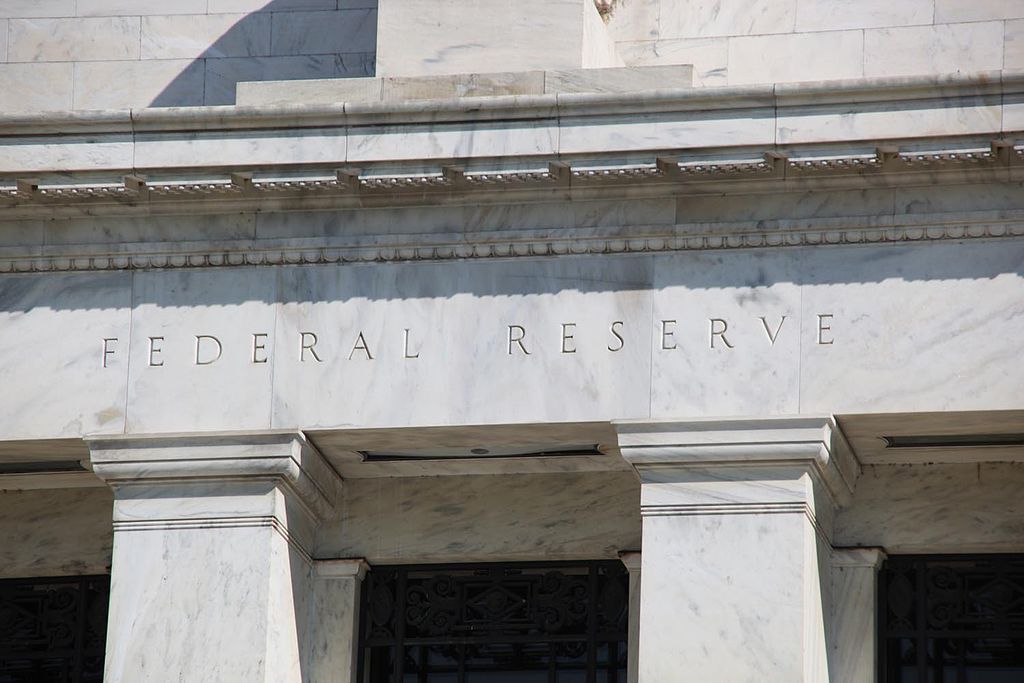
Tensions between the White House and the U.S. Federal Reserve escalated sharply over the weekend after Federal Reserve Chair Jerome Powell revealed that the administration had allegedly threatened him with a criminal indictment tied to the ongoing renovation of the Fed’s headquarters. Powell described the move as a “pretext” designed to increase political pressure on the central bank to cut interest rates, reigniting concerns over Federal Reserve independence and its ability to operate free from political influence.
The comments immediately rattled global financial markets. The U.S. dollar weakened broadly, U.S. stock futures moved lower, and Treasury futures rallied as investors sought safer assets. Market participants are now closely watching the evolving rift, as any perceived erosion of central bank independence could have long-term implications for monetary policy credibility, inflation control, and financial stability.
Analysts remain divided on how serious the threat to the Federal Reserve truly is. Vishnu Varathan, Head of Macro Research for Asia ex-Japan at Mizuho in Singapore, said the issue of Fed independence is now firmly back in focus. He noted that investors may begin reassessing the autonomy of the central bank more frequently, although he stopped short of predicting a full-blown crisis. According to Varathan, markets are not panicking yet because there is still a possibility that former President Donald Trump could appoint a future Fed chair with sufficient credibility to reassure investors and maintain policy continuity.
Andrew Lilley, Chief Rates Strategist at Barrenjoey in Sydney, echoed similar sentiments, arguing that the situation appears more like political pressure than a genuine attempt to remove Powell. He suggested that Trump understands he lacks direct control over the Federal Reserve and is instead using public threats to influence decision-making. While Lilley acknowledged that such actions are negative for market confidence, he believes they are unlikely to materially alter the Federal Open Market Committee’s policy path. In his view, interest rates will continue to reflect the consensus of the FOMC rather than political demands.
Overall, while investor unease has increased, most analysts believe the standoff will have limited immediate impact on U.S. monetary policy, though it adds another layer of uncertainty to an already fragile global economic outlook.







