McDonald's announced an increase in royalty fees for new franchises in the US and Canada. The move aligns with global standards and follows the company's revenue challenges and recent price reductions.
Starting from January 1, the royalty fees will be increased from 4% to 5%. However, franchises engaged in rebuilding, renovating existing locations, or transferring an outlet to another party will not be affected by this change, as stated in the letter.
This decision comes when the restaurant giant is experiencing a slowdown in revenue growth for the remainder of the year. As signs of easing inflation emerge, McDonald's has opted to lower menu prices.
Earlier this year, McDonald's Chief Financial Officer, Ian Borden, acknowledged operating challenges amidst elevated costs, restricted customer discretionary spending, and the pressure on industry traffic. Nevertheless, CEO Chris Kempczinski expressed confidence in the company's market value, positioning it favorably to navigate the current economic challenges.
While Northcoast Research analyst Jim Sanderson believes the impact on McDonald's revenue will be minimal due to the limited number of new store openings in the United States, the franchise business remains a significant contributor. As of December 31, approximately 95% of the 13,400 stores operated in the United States were franchisee-operated, constituting nearly 30% of the company's total revenue in 2022.
According to a letter obtained by Reuters on Friday, average cash flows for US franchisees have displayed impressive growth of over 35% in the past five years. In addition to the change in fee rates, McDonald's will also alter the payment terminology.
"Service fees" will be replaced with "royalty fees," aligning with the standard practice in all other McDonald's markets worldwide. The royalty fee represents the amount restaurant operators pay the owner, with the rate determined based on the revenue generated by the licensed property.
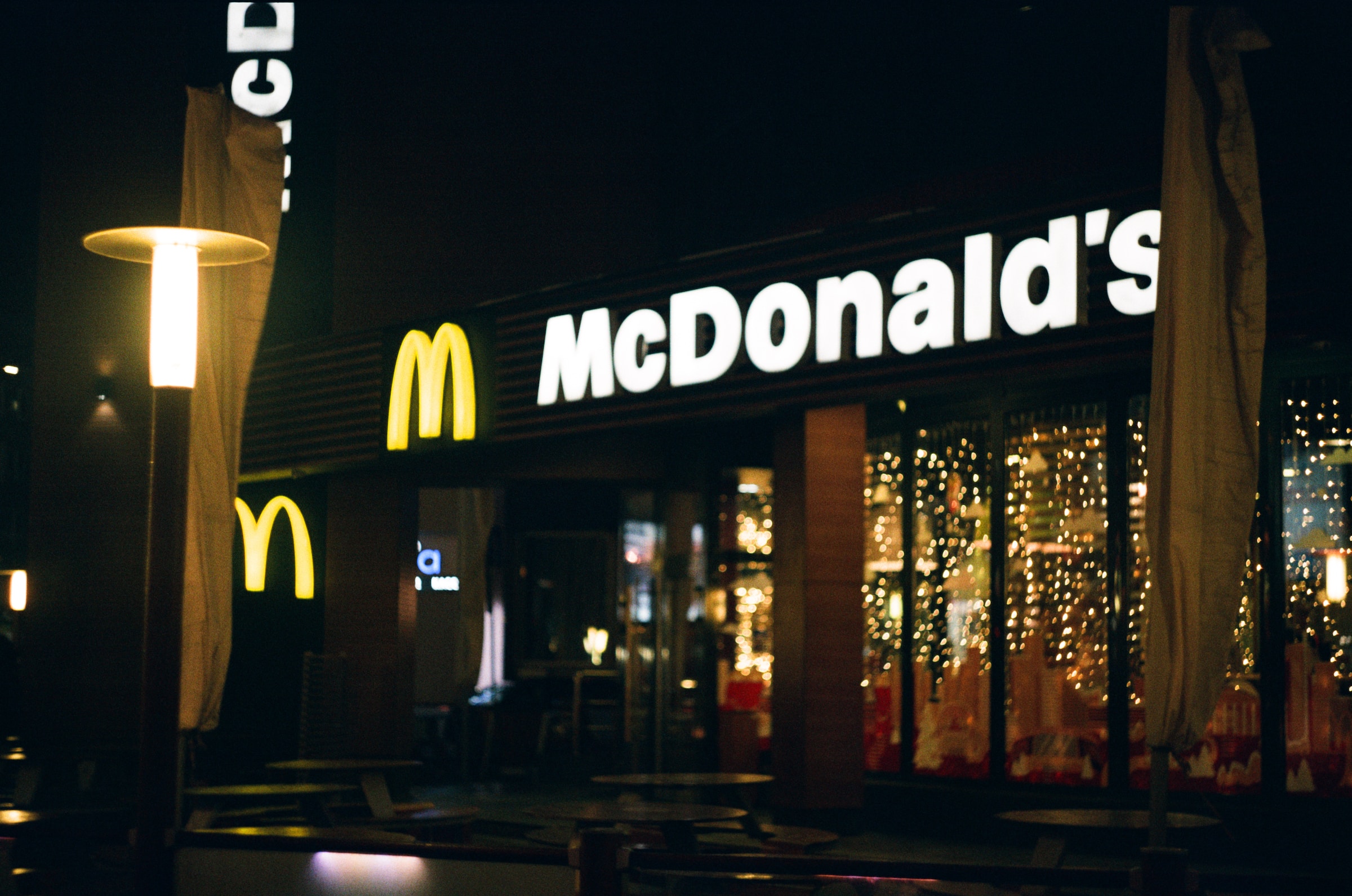
Photo: VLADISLAV BOGUTSKI/Unsplash