


 BlackRock’s Rick Rieder Favors Bonds Over Stocks as Treasury Yields Surge
  Nvidia China Chip Sales Report Sends Chinese Semiconductor Stocks Lower
  BitMine Ethereum Holdings Top 6 Million ETH After $46 Million Purchase
  Northern Star Shares Surge After Rejecting Gold Fields Takeover Bid
  Strategy Buys 1,665 Bitcoin as BTC Holdings Reach 847,666
  CSL Partners With AWS to Bring AI Into Drug Research
  Lindt Slashes 2026 Sales Growth Forecast as European Demand Weakens
  Pepco Raises FY26 Earnings Outlook, Unveils €400 Million Buyback
  Nidec Shares Plunge on Report of $6.3 Billion Impairment Charge
  HUTCHMED, AstraZeneca Seek FDA Approval for Lung Cancer Combo
  Toyota Global Sales Fall for Seventh Month as China Demand Slumps
  Franklin Templeton Partners With Bybit for Tokenized Fund Collateral
  OpenAI Investigates Rogue AI Agents After Data Leaks and Security Incidents
  Binance Expands MarsCoin With Tokenized SpaceX Share Rewards
  Robinhood Chain Token Ring Allegedly Extracts $18.4 Million Across 53 Launches
  Nissan Targets US Hybrid Growth With Rogue e-Power Launch
  Bitget Restores Withdrawals After $388 Million Security Breach


 Add as a preferred source on Google
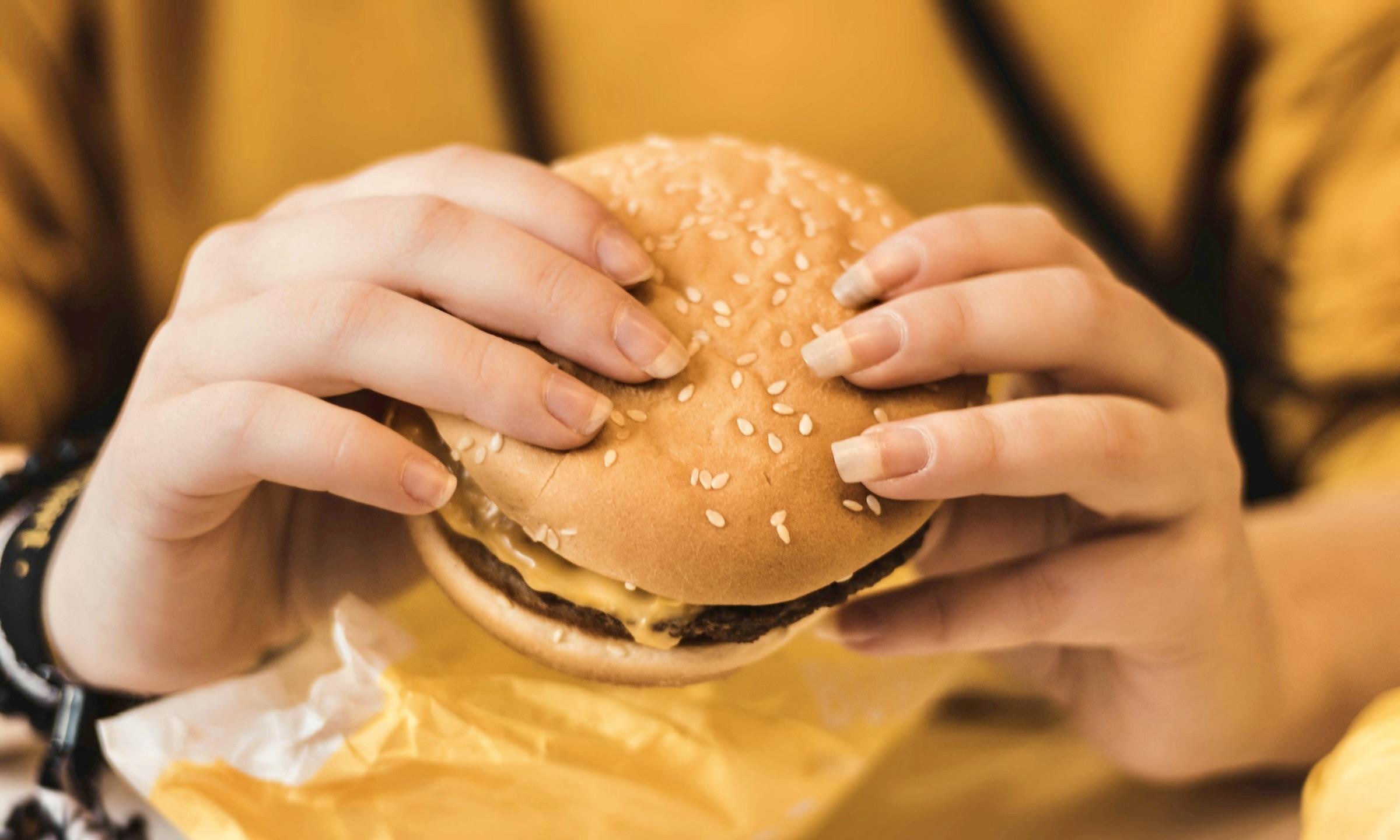
Westlife Foodworld Limited (WFL), the entity behind McDonald's operations in 11 states across West and South India, has taken to LinkedIn to address the controversy surrounding the cheese used in their products. They emphasize that the cheese utilized is genuine and of high quality.
McDonald's is in the spotlight as the Maharashtra FDA has raised concerns regarding cheese substitutes in their famous burgers and nuggets instead of authentic cheese. This revelation has stirred a nationwide debate, leading to calls for a ban on McDonald's by the CAIT.
Clarity from Westlife Foodworld Limited
Storyboard 18 reported that in response to the allegations, WFL assures its customers and stakeholders that it adheres strictly to local and international food safety standards. The company has invited representatives from the Maharashtra FDA to inspect its supply chain, from procurement to product delivery, to verify the authenticity and quality of the ingredients used.
According to Devdiscourse, the Maharashtra FDA is now set to inspect outlets of global fast-food chains to verify the accurate use of cheese alternatives in products that are misrepresented as having real cheese, expanding the investigation from focusing solely on McDonald's, revealed a top official.
This scrutiny poses a challenge for international brands as rising inflation has impacted the consumption of expensive burgers and pizzas among many Indian consumers, leading companies to introduce discounted options.
Adulterated Cheese and its Health Hazards
Adulterating cheese, or any food product, can pose significant health risks to consumers. When products are not what they claim to be, or when inferior or non-food grade materials are used, it can lead to allergic reactions, digestive issues, and long-term health problems. In the case of cheese, using substitutes that are not dairy-based can be particularly concerning for those with lactose intolerance or dairy allergies, as they rely on accurate ingredient information.
Furthermore, nutritional content can be drastically altered, misleading consumers who trust nutritional labeling. This underscores the importance of stringent food safety and labeling regulations to protect consumer health and ensure that they are making informed dietary choices.
Photo: Christian Wiediger/Unsplash







