


 Trump Confirms US Intelligence Sharing With Ukraine Amid Russian Strikes
  Trump Announces Massive Oil and Mineral Exploration Plans in Greenland
  MI5 Warns of Rising Iran, Russia Threats and AI Bioweapon Risks
  US Justice Department Drops Prosecution of Ex-CIA Analyst Sue Mi Terry
  Trump Denies Russia and China Are Helping Iran in U.S. Conflict
  US Senate Midterms 2026: Key Races That Could Flip Control
  Most Americans Oppose Election Betting on Prediction Markets, Poll Finds
  Italy’s Meloni Warns US-Russia Diesel Deal Could Weaken Ukraine Sanctions
  Trump Warns Houthis Over Attacks, Considers Erdogan Intervention
  Zelenskiy Seeks New US Talks to Revive Ukraine-Russia Peace Negotiations
  Elon Musk Donates $366 Million to 2026 US Midterms
  Kim Jong Un Showcases ICBM Ahead of Possible Trump Meeting
  US Recalls Nicaragua Envoy After Ambassador Rejection
  Gaza Olive Harvest Collapses as War Destroys Farmland
  IMF Warns US Debt Crisis Needs Fiscal Action, Urges China to Boost Consumption
  Netanyahu Rejects Preemptive Iran Strike Ahead of Israel Election
  China Warns Taiwan Over South China Sea Coast Guard Incident


 Add as a preferred source on Google
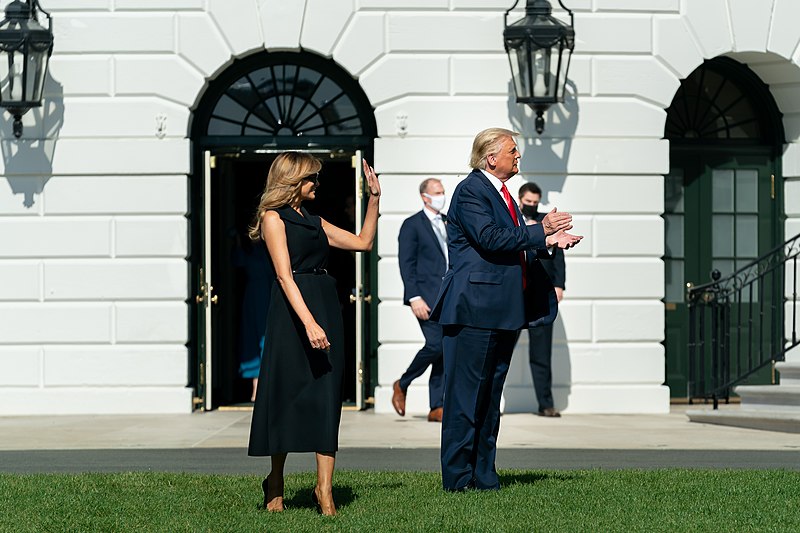
First lady Melania Trump joined the campaign trail in the final weeks leading up to the elections. According to a body language expert, Melania appeared to be anxious as she tried to make her case for her husband, Donald Trump, in her recent campaign rally appearances.
Mrs. Trump joined her husband in several campaign events over the past few weeks in an effort to gain votes by election day. The first lady introduced her husband during these campaign rallies with some remarks, one of the most recent rallies she attended was in Pennsylvania. Body language expert Judi James analyzed Melania’s movements during her address in the state and said that the first lady appeared to be nervous in front of the crowds. This is despite her duties involving talking in front of many people.
“Her high wave to the audience and her trait of directing her words at them rather than at the camera does suggest that she has realized her own popularity and ability to bond with them directly,” said James. “However, if anything she actually looks slightly nervous at times and takes less ownership of her script.”
Melania introduced her husband to the crowd of supporters, praising his efforts and achievements while hoping that he wins the election on November 3. During her speech, Melania also blasted the Democrats, which James noted that Melania was in ‘attack mode’ in her campaign appearance this year compared to 2016. James added that the first lady’s drop in tone when she criticized the opposing party suggests that she is now being used as a “much more potent weapon” compared to her address to the Republicans four years ago.
The first lady also opened for her husband during a campaign rally in Wisconsin where she touted her husband’s response towards the COVID-19 pandemic. Melania said that the country is making progress in combating the pandemic and that she watched her husband work hard not to cause panic among the American public while staying informed. The first lady also touted the administration’s efforts in protecting the country’s economy and the COVID-19 protocols set in place to help schools and businesses reopen.







