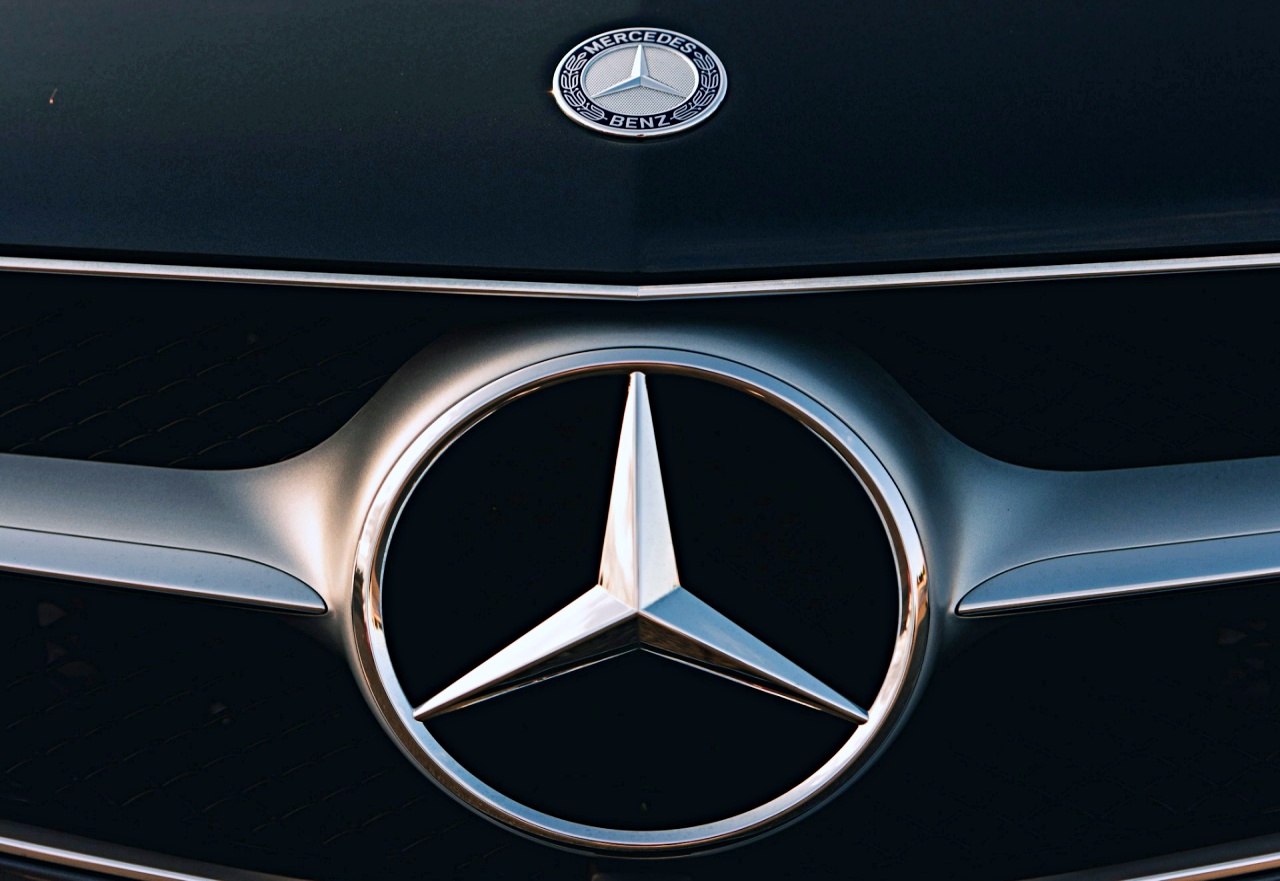
Goldman Sachs continues to back Europe’s premium automakers, naming Mercedes-Benz and BMW as its preferred choices as the industry faces stricter CO₂ regulations, shrinking electric-vehicle market share in China, and rising tariff pressures. According to the brokerage, both luxury manufacturers are well positioned thanks to strong balance sheets, favorable product cycles, and the flexibility to shift production across regions as global conditions evolve.
Goldman Sachs noted that emissions compliance poses a smaller challenge for premium brands compared to mass-market automakers. BMW is on track to meet its 2025–2027 EU emissions goals under the bloc’s three-year averaging mechanism, supported by growing battery-electric vehicle adoption within its lineup. The analysts also emphasized that concerns over declining Chinese market share for German automakers are often overstated, as most of the loss is concentrated in the EV segment, where local Chinese manufacturers have advanced rapidly. Despite this, Mercedes, BMW, and Volkswagen have actually strengthened their internal-combustion engine market positions in China over the last five years.
Since 2019, premium brands have lost only about 0.5 percentage points of total market share, a significantly smaller drop compared to the 5-point decline for Volkswagen and the steep 8-point decline for Japanese manufacturers. Looking ahead, Goldman Sachs believes that new platform launches from both Mercedes and BMW will enhance competitiveness. Mercedes’ MMA and MB.EA platforms are expected to lower battery costs by roughly 30% per kWh, while BMW’s upcoming Neue Klasse aims for a 30% increase in driving range, 30% faster charging, and a 20% cut in production costs.
The report also highlighted that Mercedes, BMW, and Renault continue to hold strong net cash positions despite weakened valuations in the broader auto sector. Goldman Sachs added that the implied enterprise values of their core automotive units are now negative, further underscoring potential value opportunities. Overall, the brokerage views Mercedes, BMW, and Renault as better equipped to manage the sector’s major risks, supported by robust product pipelines and consistent cash generation.